
Red Willow started in 1971 as a division of the Stephenson family farm.
Its name comes from a Sumac filled canyon on Ahtanum Ridge.
Location
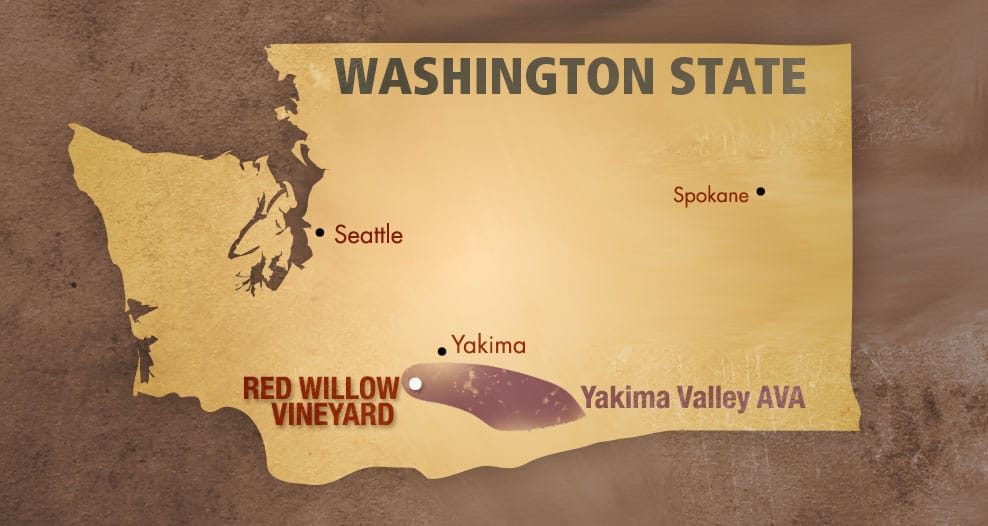
Red Willow is located in the northwest corner of the Yakima Valley and on the south slopes of Ahtanum Ridge. This is also within the bounds of the Yakima Indian Reservation.
Geography
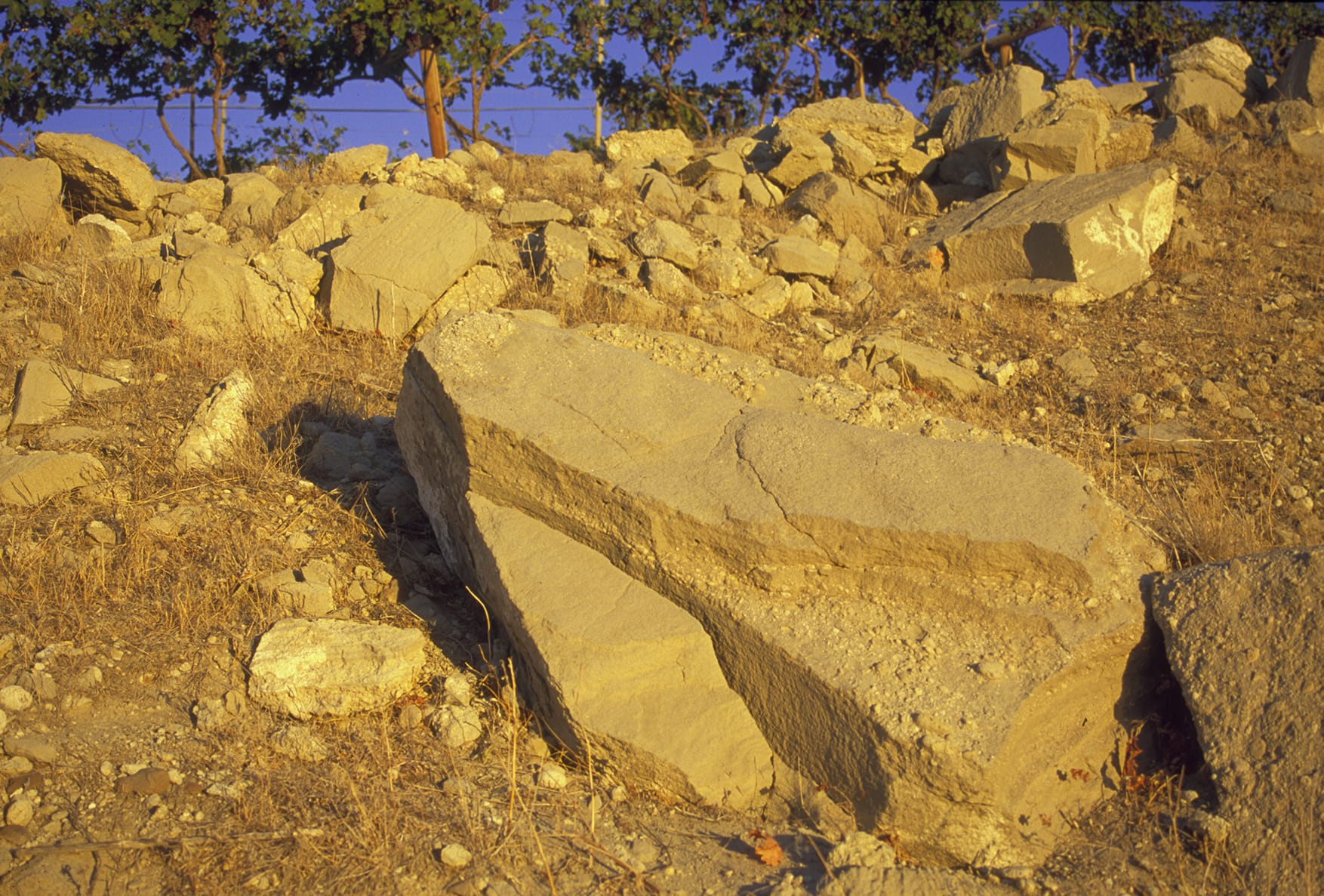
Some 12,000 years ago, the peninsula shaped land formation was bordered by water during the repeated Lake Missoula floods which occurred at the end of the ice age.
Due to its higher elevation, 1200-1300 feet, the peninsula vineyard site was above the water level and thus was not affected by the water deposited silt and sand that much of the valley floor received. Its soils are poorer and more ancient than those of lower elevations.
1920’s
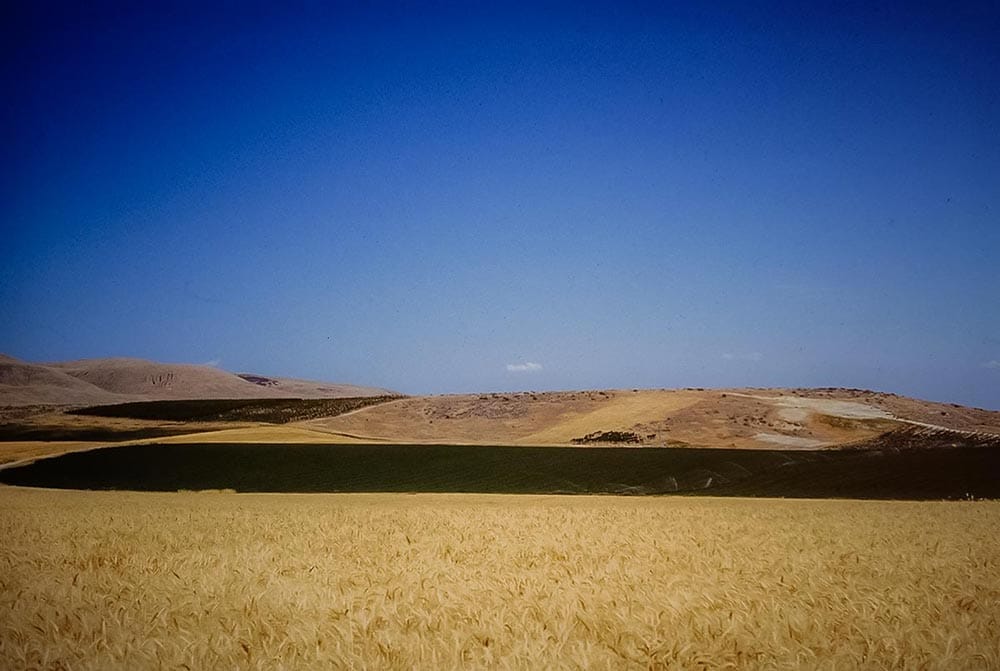
The mid 1920’s brought irrigation canals to this part of the valley. Overnight, sage brush and range grass gave way to farms of grain, alfalfa hay, potatoes, hops and vegetables. Included in this first wave of settlers was Clyde Stephenson, the first generation to farm the land on which Red Willow is located. At this time, the main crops were potatoes and alfalfa hay along with cattle.
1950’s
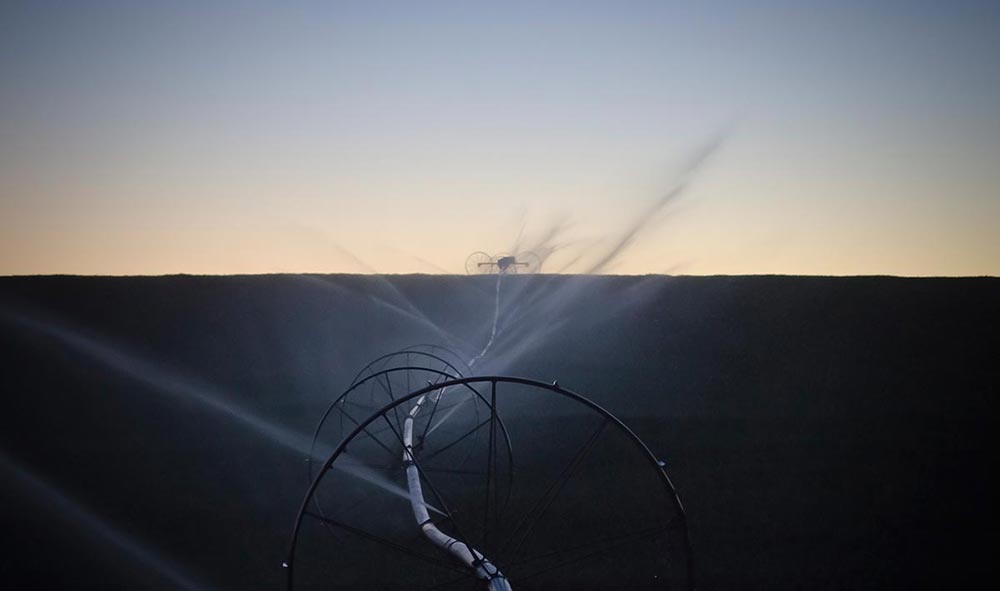
In the 1950’s and 60’s, the farm expanded with the presence of the second generation, Harold Stephenson. More acres were added and deep wells (1,000 ft.) were drilled so that water could be pumped to higher elevation fields. The method of irrigation changed from the ditch flooding of flat fields to using some of the first wheel line sprinklers in the Yakima Valley. The crops grown were wheat, alfalfa hay, corn and the main crop, alfalfa seed.
1970
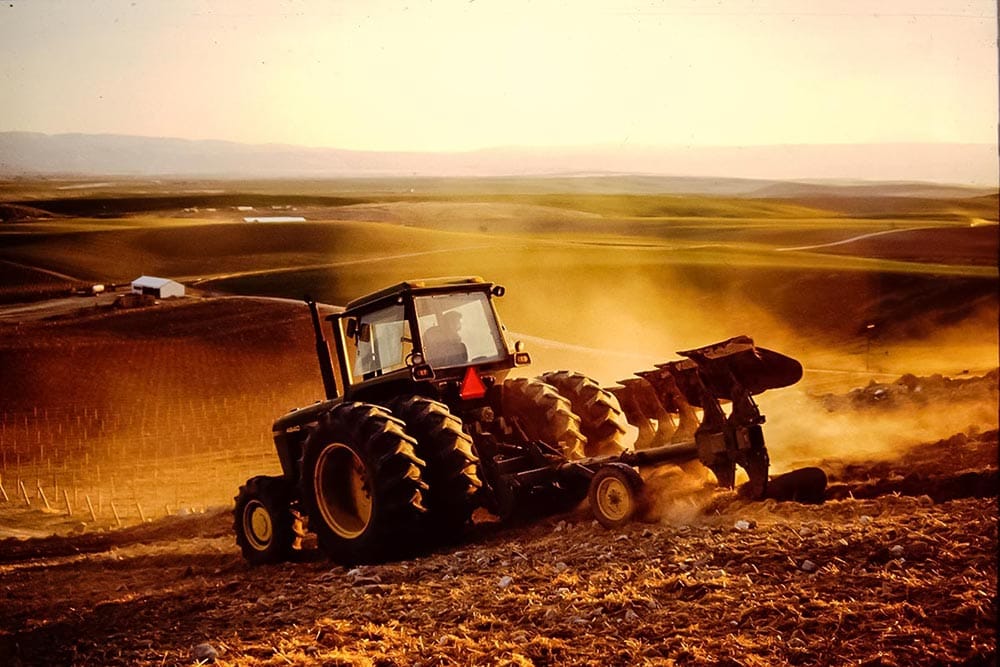
1970 marked the beginning of the third generation to farm this land, Vern Stephenson (Harold’s son) and Mike Sauer (Harold’s son-in-law) both returned from college and started farming. Vern continued to work on the general farm while Mike began to experiment with grapes on some of the acres less suitable for field crops.
1971
The first vineyard planted was in 1971. It was a 30 acre Concord vineyard along with a few token rows of wine grapes, Chenin Blanc and Semillon. Ironically, these two wine varieties did not survive on the rich soil where the concords were planted. This was the first of dozens of lessons to be learned the hard way.
1973
1973 was a significant year for the newly named Red Willow Vineyards. Prior to that, it was known as the grape division of Latum Creek Ranch. A local county extension agent introduced Mike to the well respected WSU Viticulturist, Dr. Walt Clore, and this led to many cooperative efforts with the WSU Prosser Experiment Station. A weather station was installed to compare temperature data with other areas around the state. An experimental plot with over 20 varieties of wine grapes was planted at Red Willow and later many wines were made from this “college plot” and the wines were compared with other regions around the northwest.
1973 was also the year that the first block of wine grapes were planted, three acres of Cabernet Sauvignon.
Although this vineyard suffered many afflictions in early years, weeds, rabbits, grass hoppers, and sporadic irrigation, the lasting lesson learned early on proved true, “wine grapes do best on poor soil and vines love the hillside.” This axiom would become a lasting principal for Red Willow.
1978
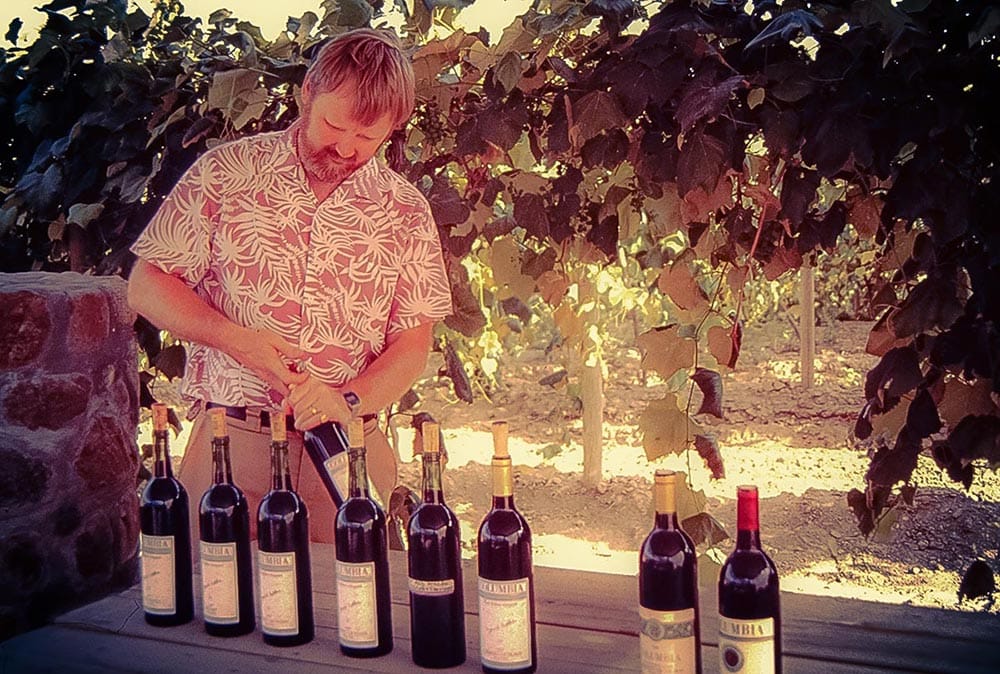
1978 was the beginning of a long lasting relationship between Red Willow and Associated Vintners, later to be called Columbia Winery. A contract was signed by Lloyd Woodburne, one of the key founders of Associated Vintners. A year later the youthful Master of Wine, David Lake, was hired as wine maker.
His hiring would have a profound effect on the development of Red Willow. In 1981, he chose to vineyard designate the Cabernet Sauvignon from Red Willow and that pattern has continued to the present date. His world prospective of wine often brought suggestions concerning the planting of different varieties. Perhaps the variety David was most influential in jointly introducing with Red Willow is Syrah. Other less known varieties experimented with and made into wine are Cabernet Franc, Mataro, Tempranillio, Malbec, Viognier, Sangiovese and Nebbiolo.
Since this is a new grape growing region, discovering which varieties make the best wine and how to best grow them has been a trial and error process. Likely experimentation will go on for at least another generation.
1982
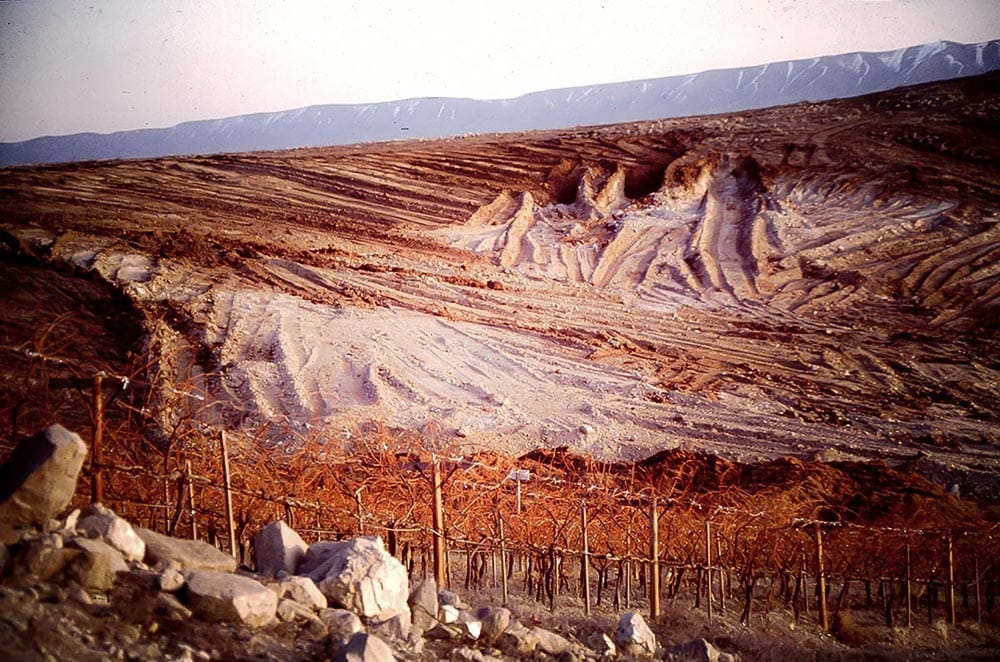
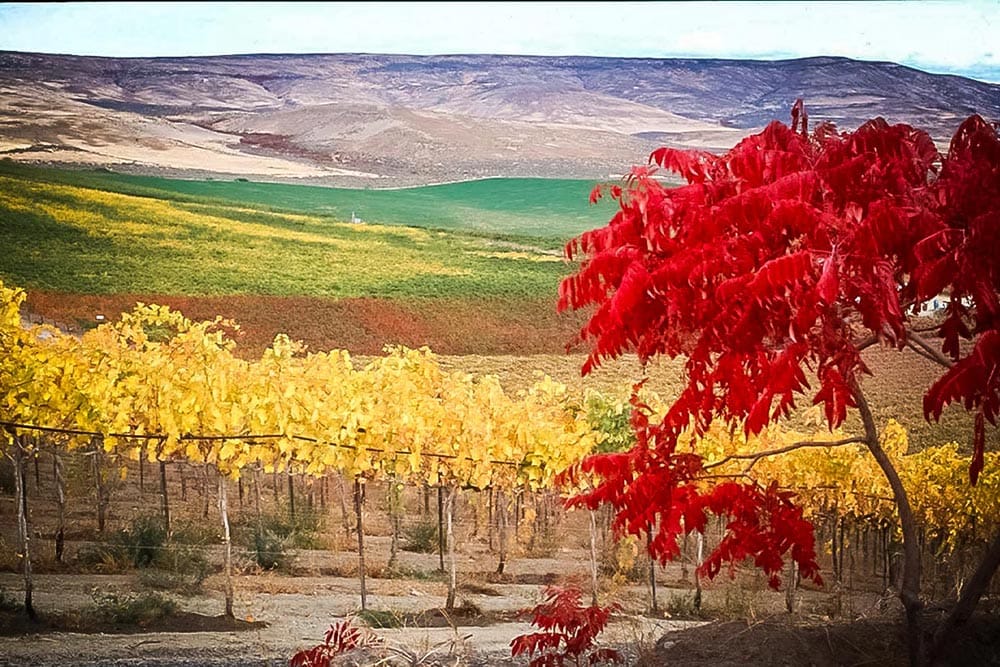
1982 was the first sizable expansion of wine grapes for Red Willow. 20 acres each of White Riesling and Gewurztraminer were planted. Shortly after this planting white wine grape prices plunged and it would be years later before they would modestly recover. Further planting took place every few years several acres at a time and always red wine varieties. The vineyards developed were usually steep hillsides that took weeks of bulldozing before they were suitable for planting. Perhaps the most distinguishing hallmark of Red Willow is the diversity and complexity of its soil found on these hillsides.
1983
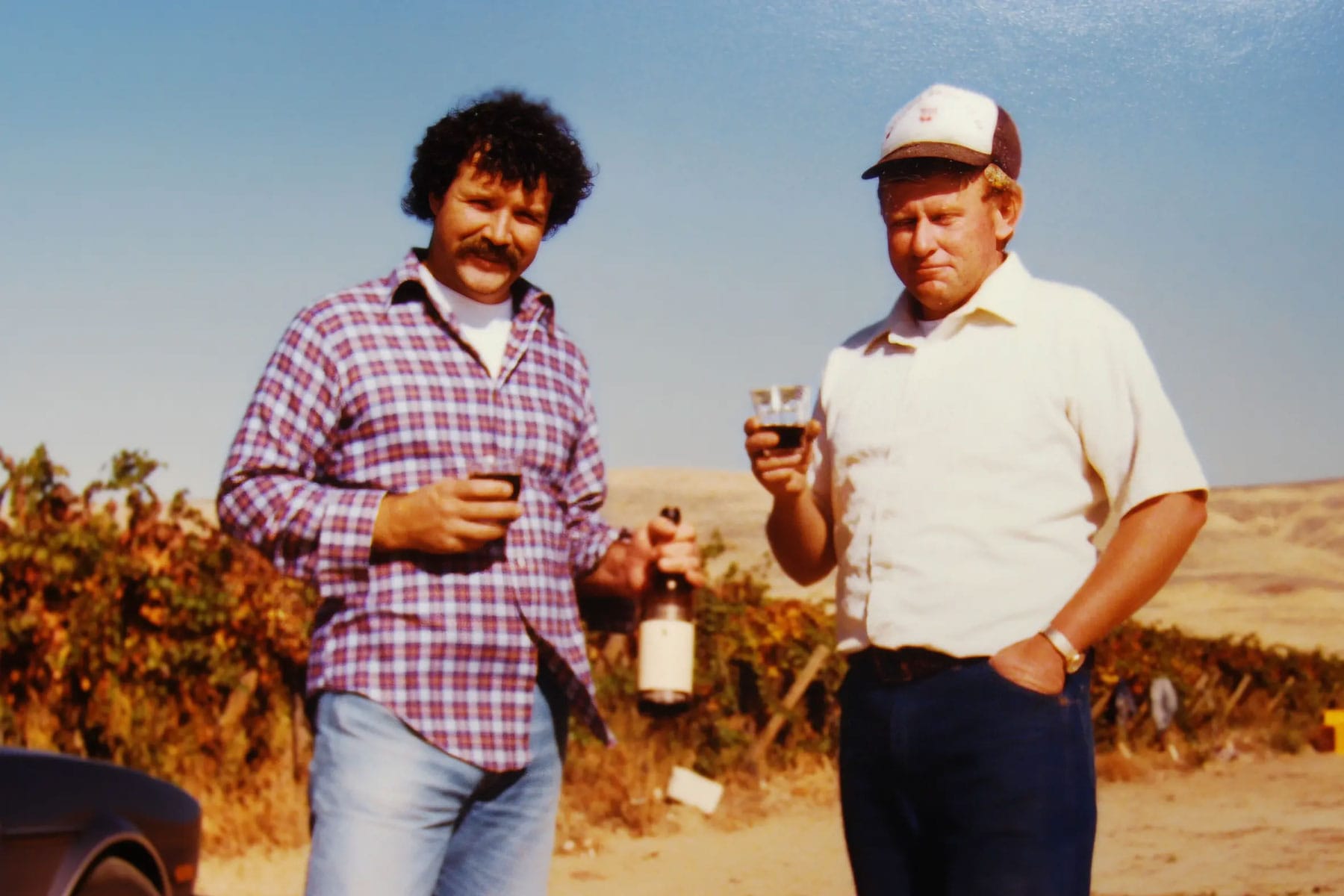
On a busy harvest day in 1983 Peter Dow visited the vineyard with a bottle of Barolo in one hand and Barbaresco in the other asking Mike if he would be willing to plant Nebbiolo. This was the beginning of an era of experimenting and pioneering many new varieties for our vineyard and the state. Most notably Syrah but also many other varieties such as Cab Franc, Sangiovese, Barbera, Viognier, Malbec, Mourvedre as well as others were introduced. In the late 90’s experimentation shifted into new clones and field blends. This effort of discovery continues to the present day.
1992
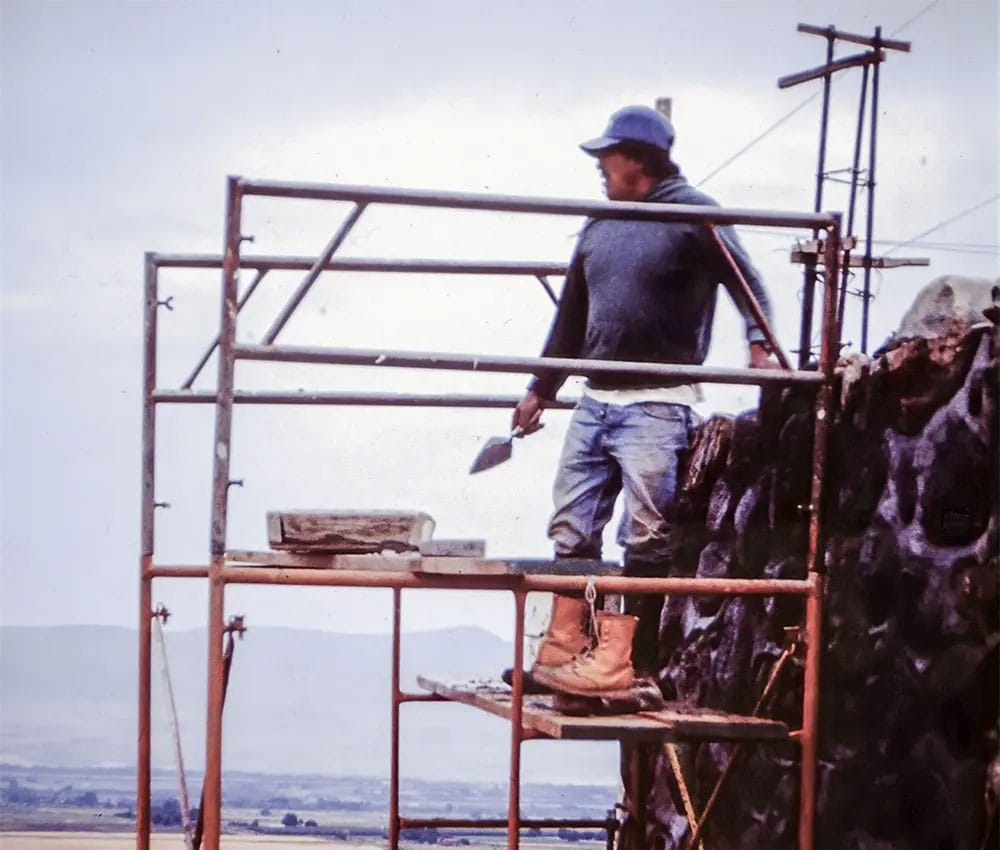
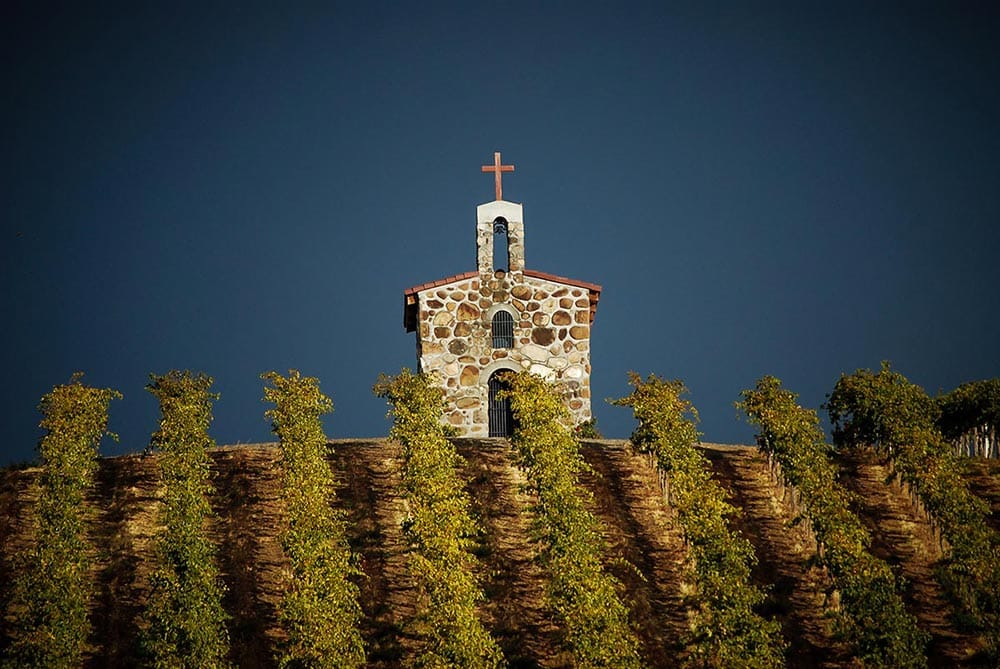
In 1992, after visiting the vineyards of Northern Italy and the Chianti region, Mike returned home impressed with the identity assigned to each small vineyard and the importance given to the slope and direction of slope. Given varieties were planted on certain slopes. Inspired by this trip to Italy, along with the death of longtime friend, Monsignor Mulcahy plans were made to develop some of the last and most difficult acres and to build a stone chapel honoring the memory of the Monsignor.
The Chapel
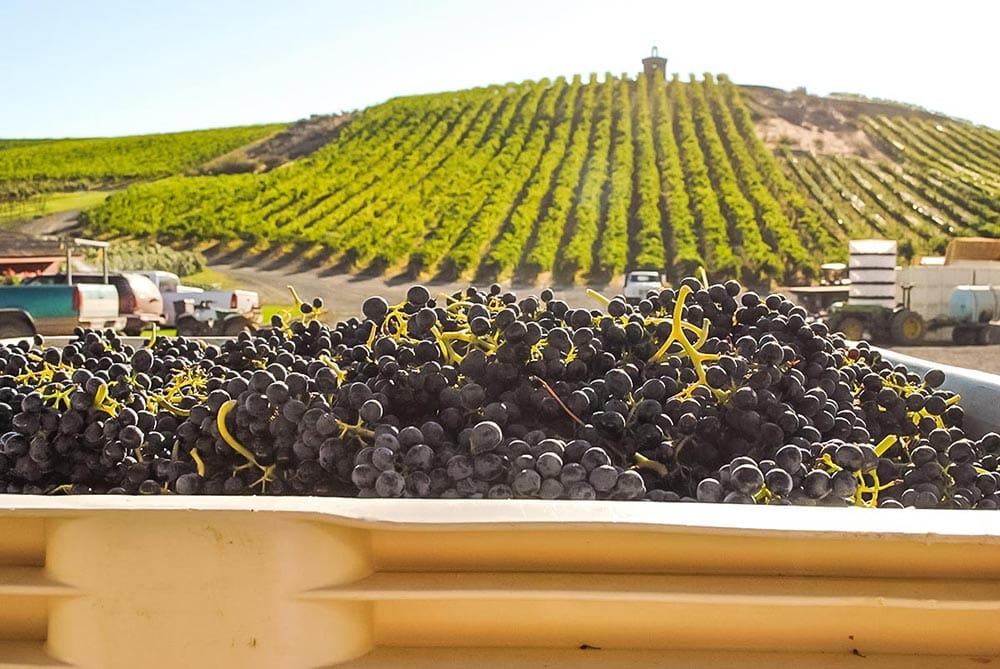
The hilltop chapel built with stones from the farm, took three years to complete. Planting of the hillsides around the chapel started in 1993 and was completed in 1997 with most of the vines planted being Syrah or Viognier.
This chapel would become the focal point of tours and photography, yet more than this; it gives an identity to the site.
2005
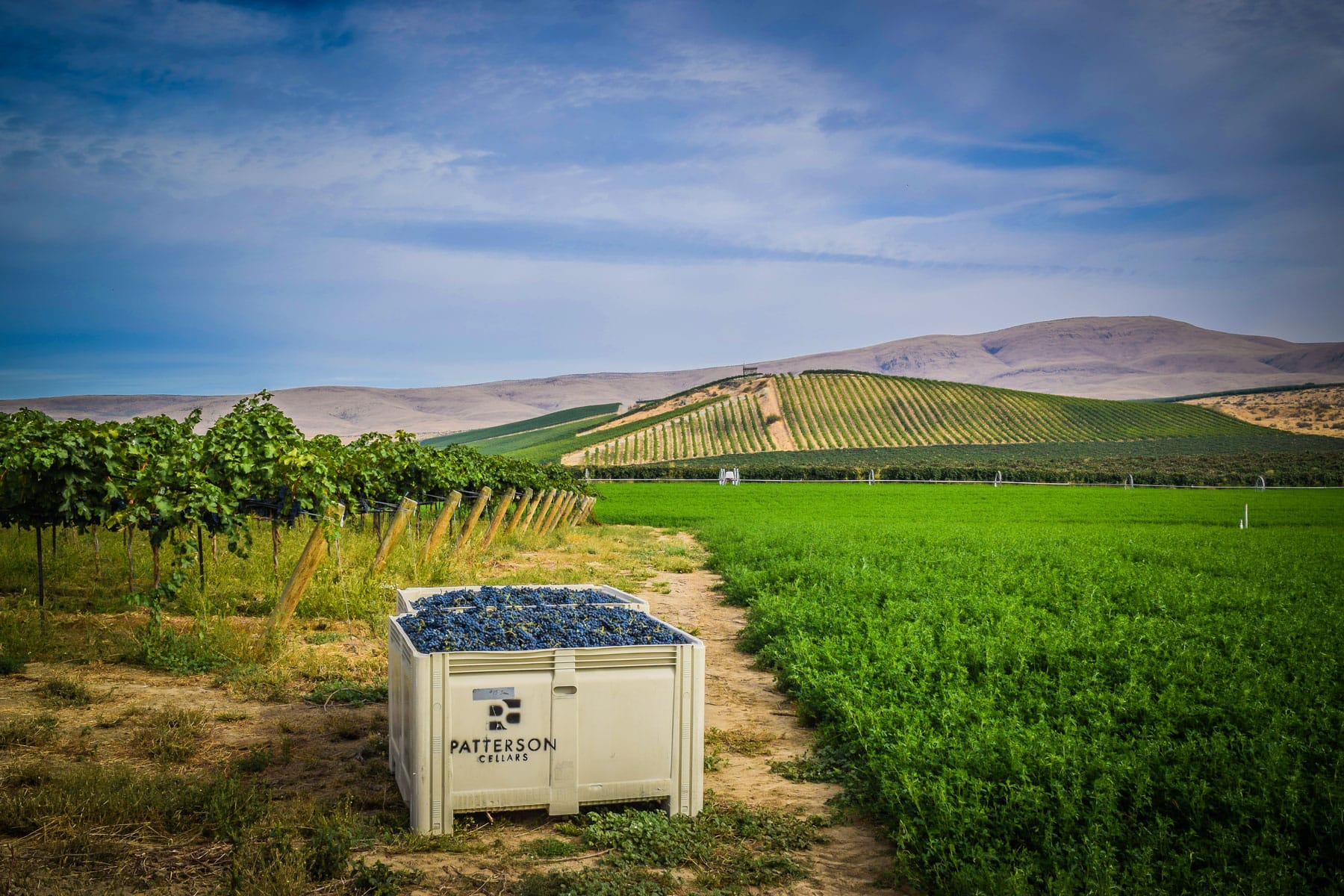
2005 Began a new chapter at Red Willow. Columbia winery’s acquisition by Constilation Brands several years before set in motion lasting changes. Having sold fruit almost exclusively to one winery from the beginning now changed with the sale of fruit to Andrew Rich, Betz, Owen Roe, Long Shadows & Wineglass. Today we sell fruit to over 30 wineries, most making at least some form of vineyard designate and each imparting their own unique style.
Today
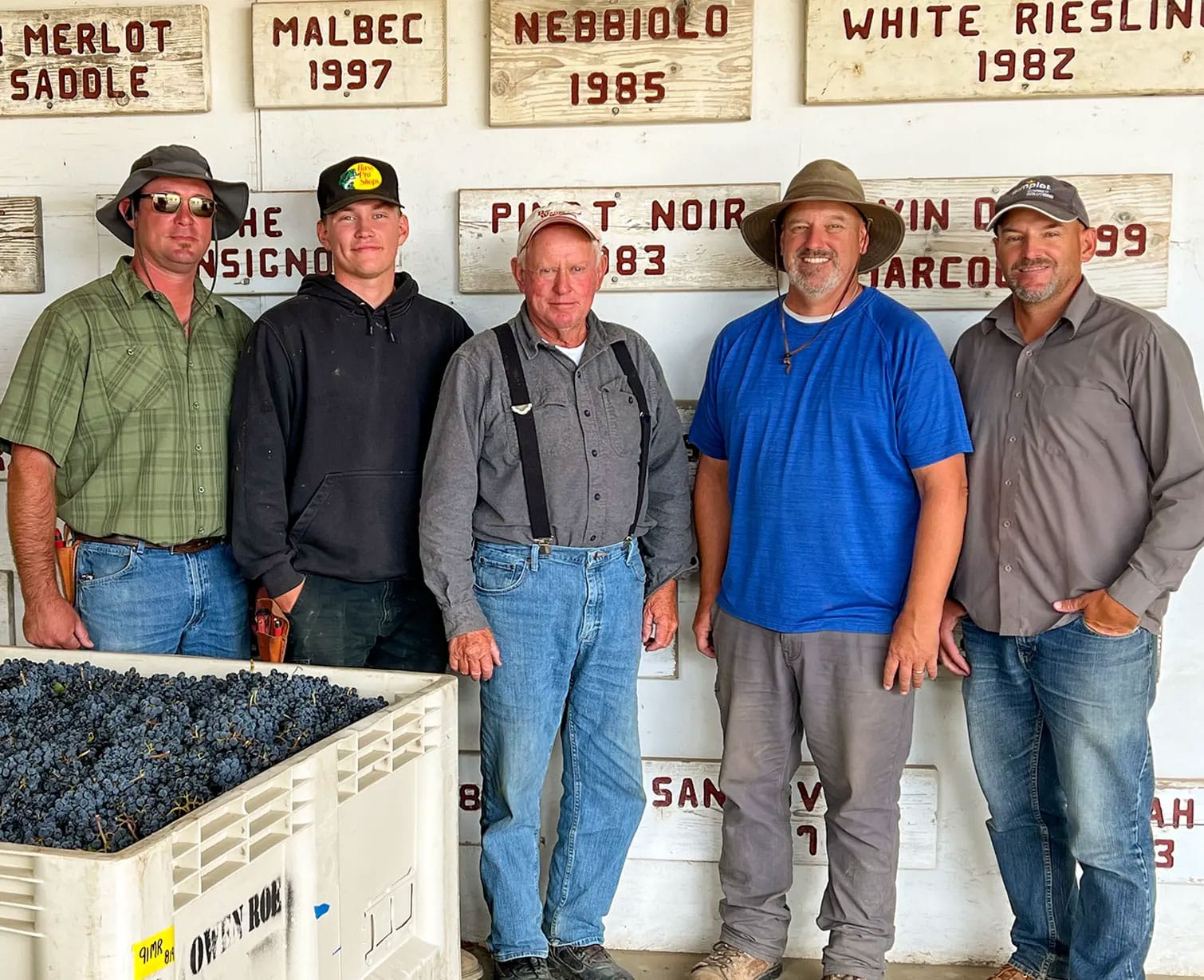
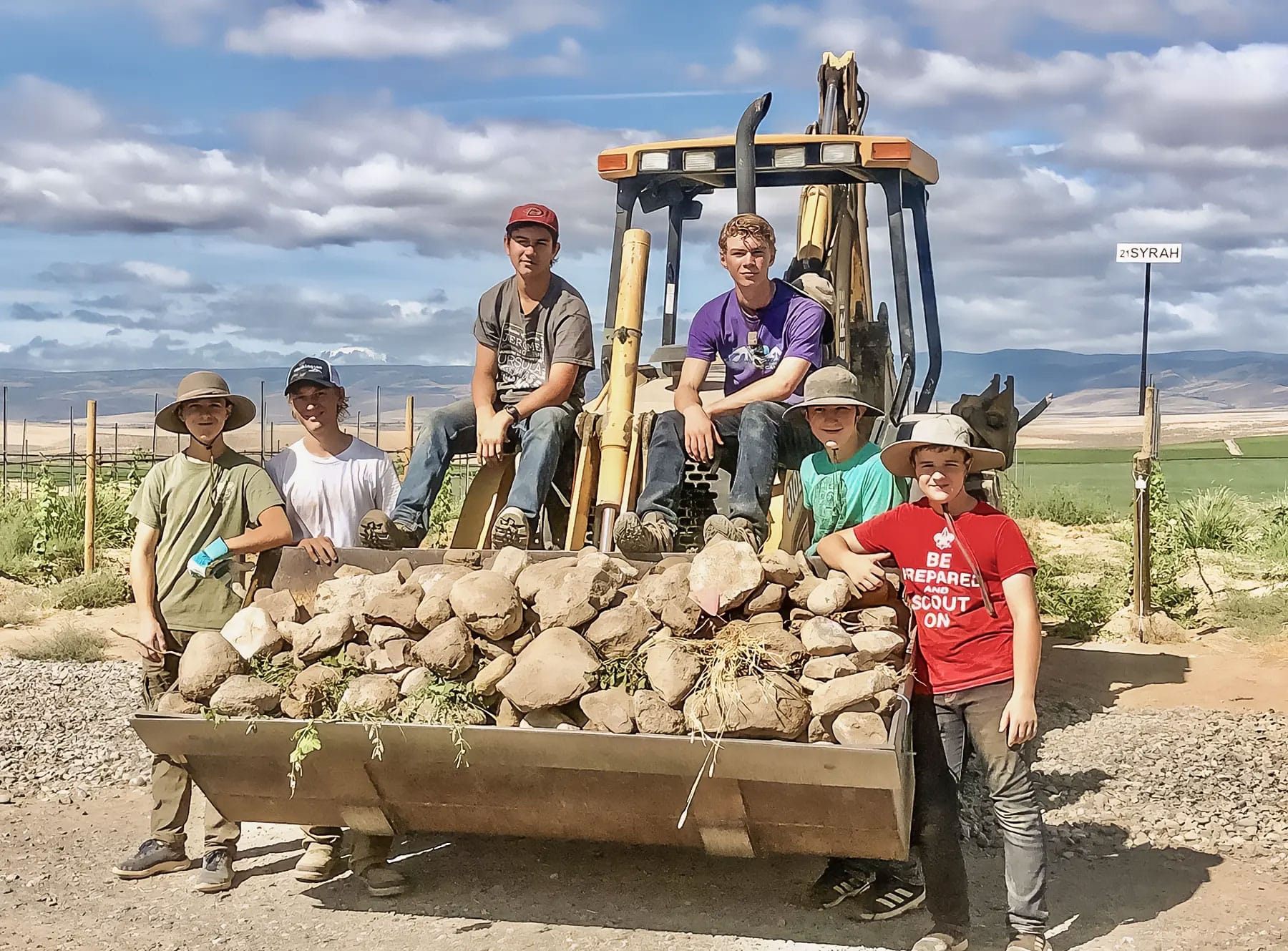
The farm is over a century old with the fifth generation working summers and studying in college. Many blocks are now considered ‘old vines’. We remain very hands-on with attention to detail never being greater. Our efforts to build soil/vine health continue. The Stephenson block has been expanded with plantings of new clones with a recent emphases on white varieties. Maintaining the traditions of MW David Lake, we work with wineries and give them every tool necessary especially for designates that directly express the uniqueness of this terroir.
As George Rainbird says in An Illustrated Guide to Wine, “Four things go into the making of wine, whether it be good, bad or indifferent.
- First of all, the soil from which the vine grows;
- second, the climate, particularly the sun or the amount of sunshine which shines upon the vine in any given year;
- third, the type of grape used in the making of the wine;
- and last, but by no means least, the hand of the vigneron who makes the wine.
The first is immovable and permanent, the second variable, the third important, and the last human. When these four come into alignment, the result can be a near miracle, and by the grace of God this sometimes happens.”