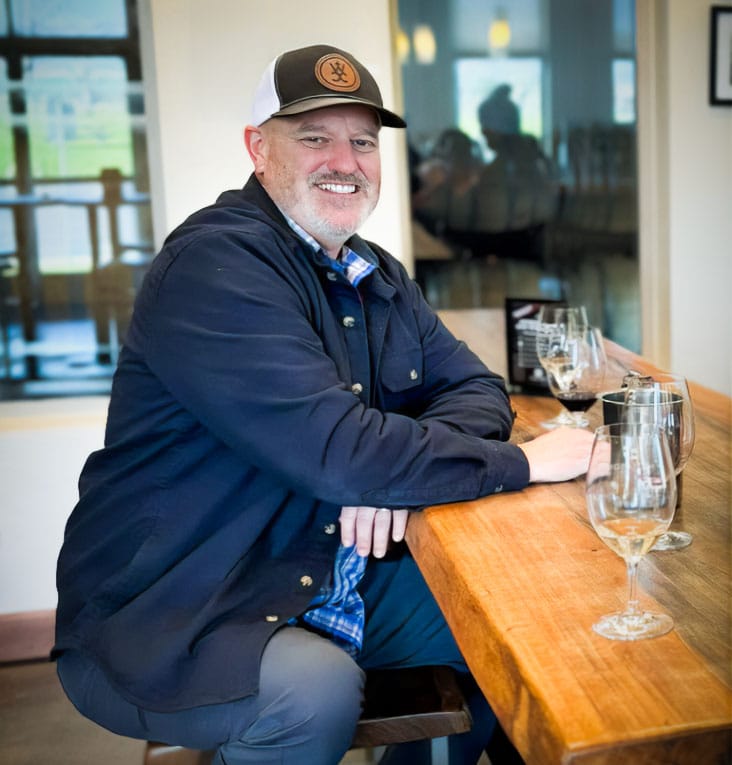
There is a generational connection to the soil and a weight of responsibility towards future generations as well as patrons of Red Willow wines.
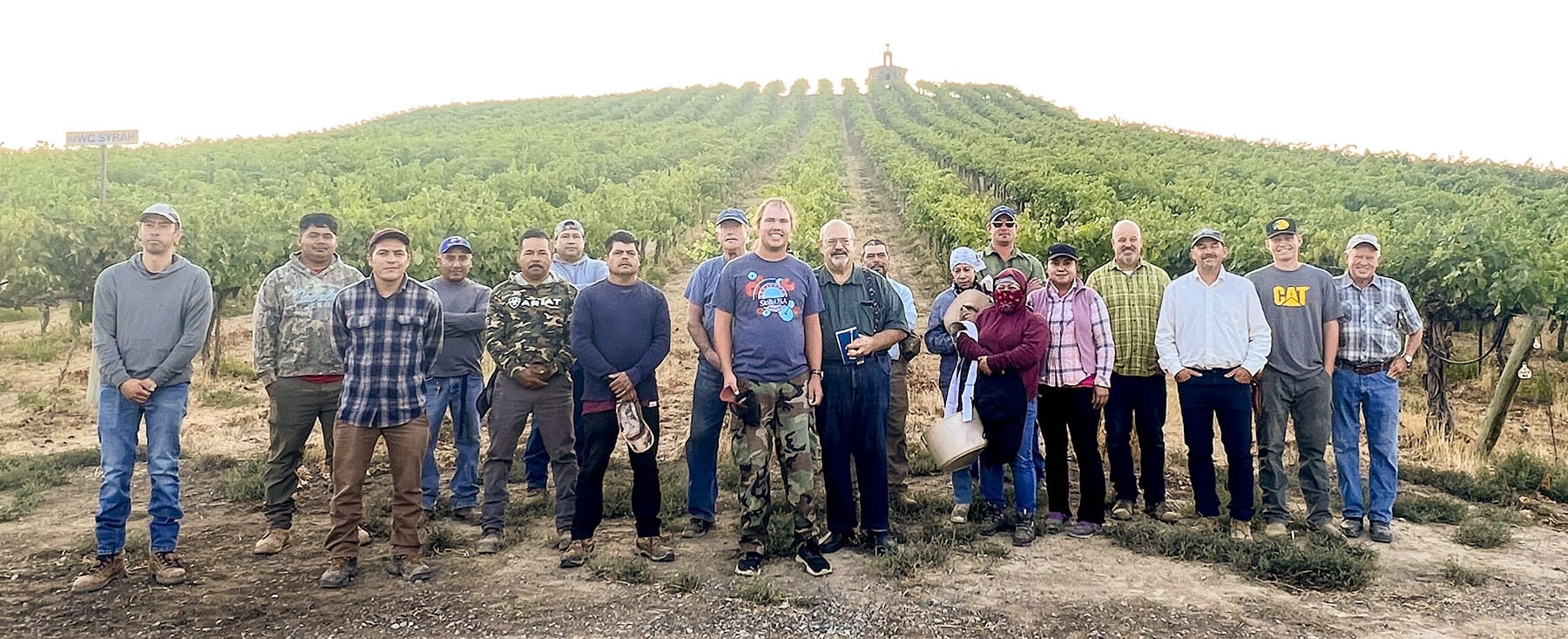
Most of our employees have been working with us for decades. We know their families and are involved with their lives.
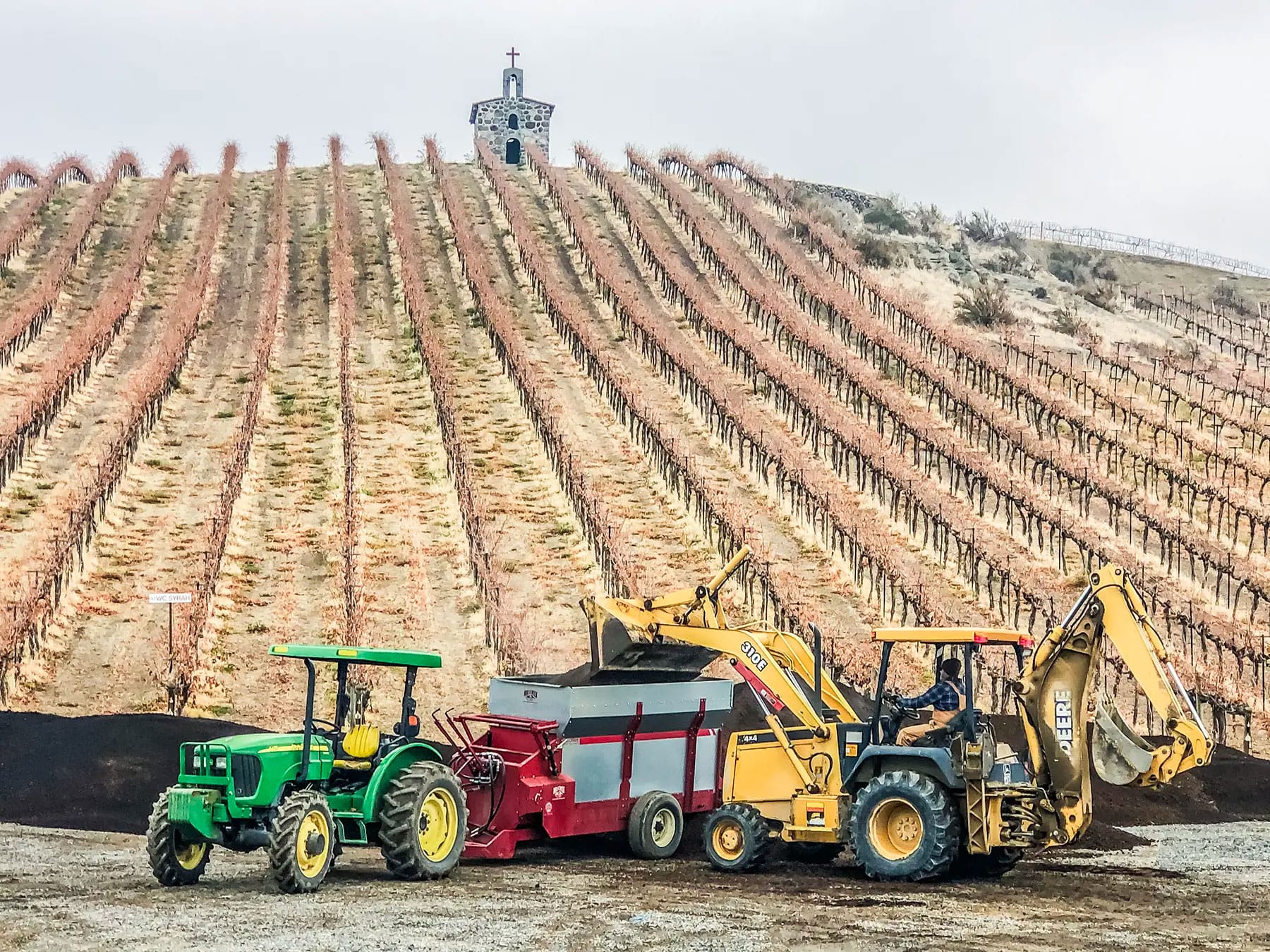
Long before sustainability was even a byword, we have a history of focusing on building up soil biology and have tried many different things over the years, some with success and others not.
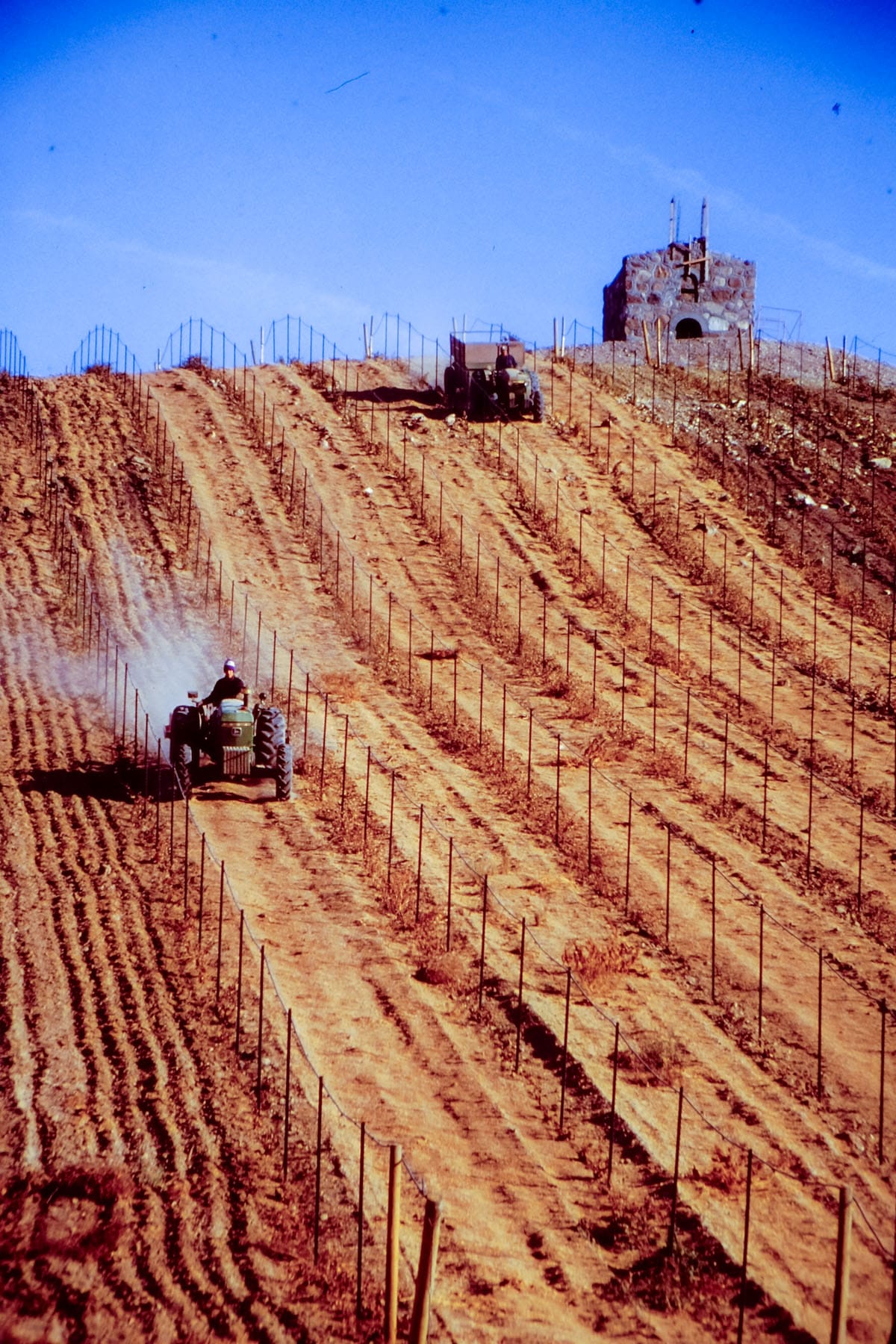
Many years ago, Mike would add chopped hullings from the farm’s alfalfa seed production in an effort to build up the soils. This is why we have so much alfalfa growing throughout the older blocks.
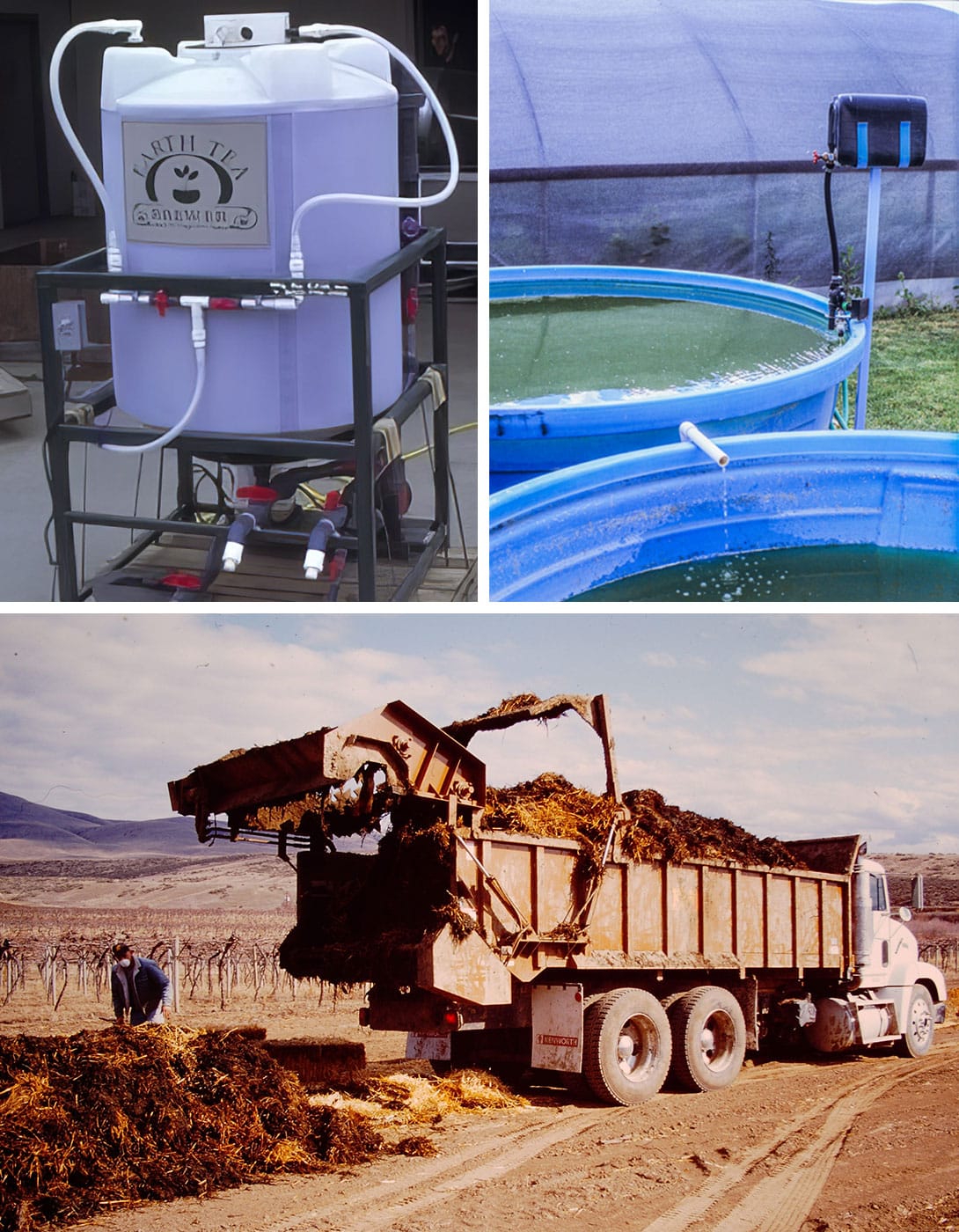
For a while we made our own compost, made from waste straw and a local dairy’s manure. For a time, we raised red-wiggler worms to make our own vermicompost for use in compost tea. We used blue green algae for many years. Much of this, although very good, comes down to what can be practically implemented.
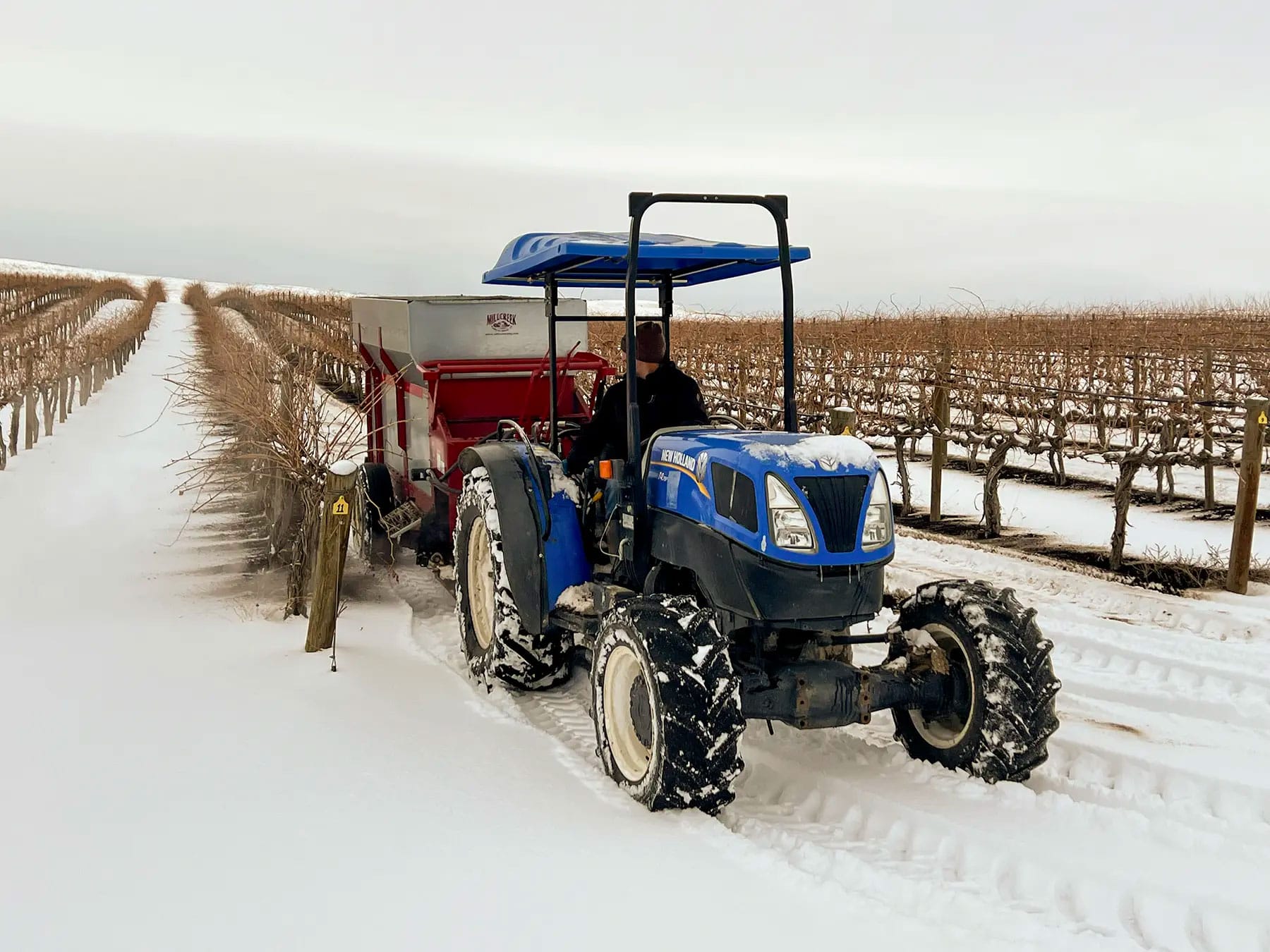
Today, some of the practices we are using consist of incorporating compost in the vineyard every 3-5 years. We have increased usage of biological applications either for mildew control or as a soil biology builder.
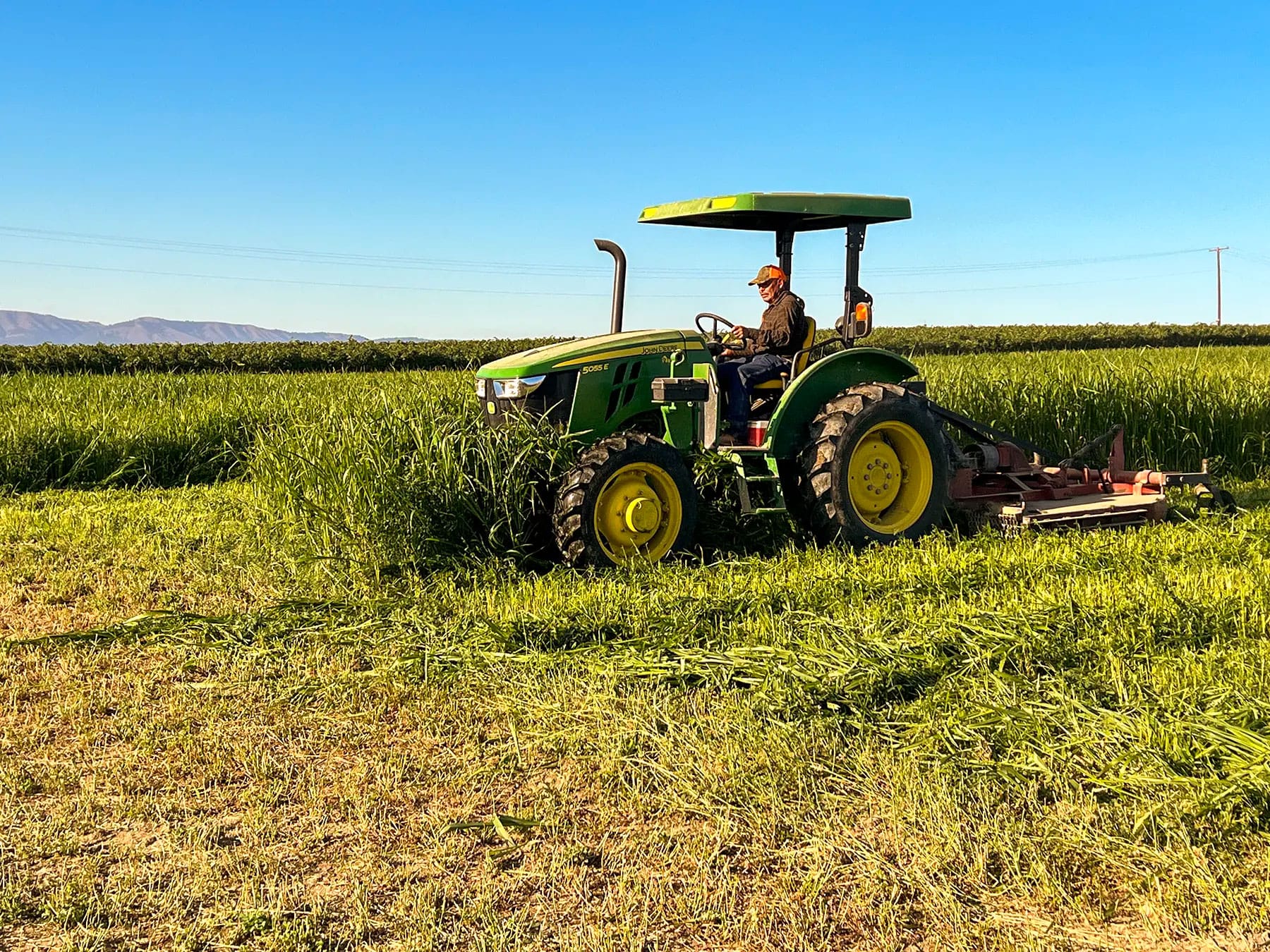
Growing Sudan grass and incorporating it in as a green mulch for a natural nematicide before planting a new vineyard is a common practice. We also use mycorrhizae fungi dips for any new planting. Adding carbon sources, calcium or other nutrients is done in order to create a vibrant, healthy, well-balanced soil.
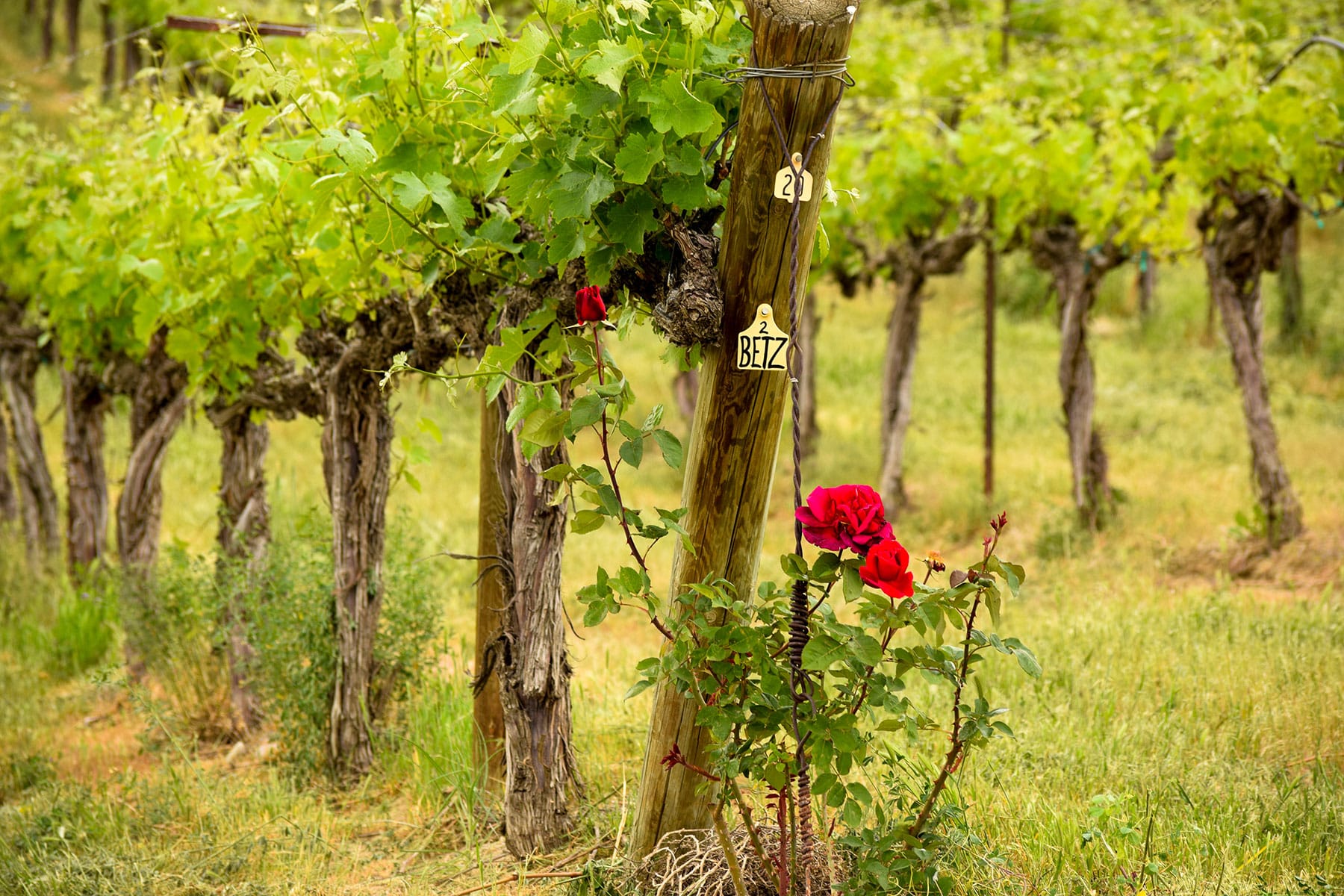
Perhaps the biggest thing is what we do not use. Many years ago, we went away from Roundup and soil active herbicides, instead we focus on either mechanical cultivation or mowing for weeds.
We’ve left some stretches native for habitat and you will also notice many rose plants growing along the vineyard ends as a home for beneficial insects.
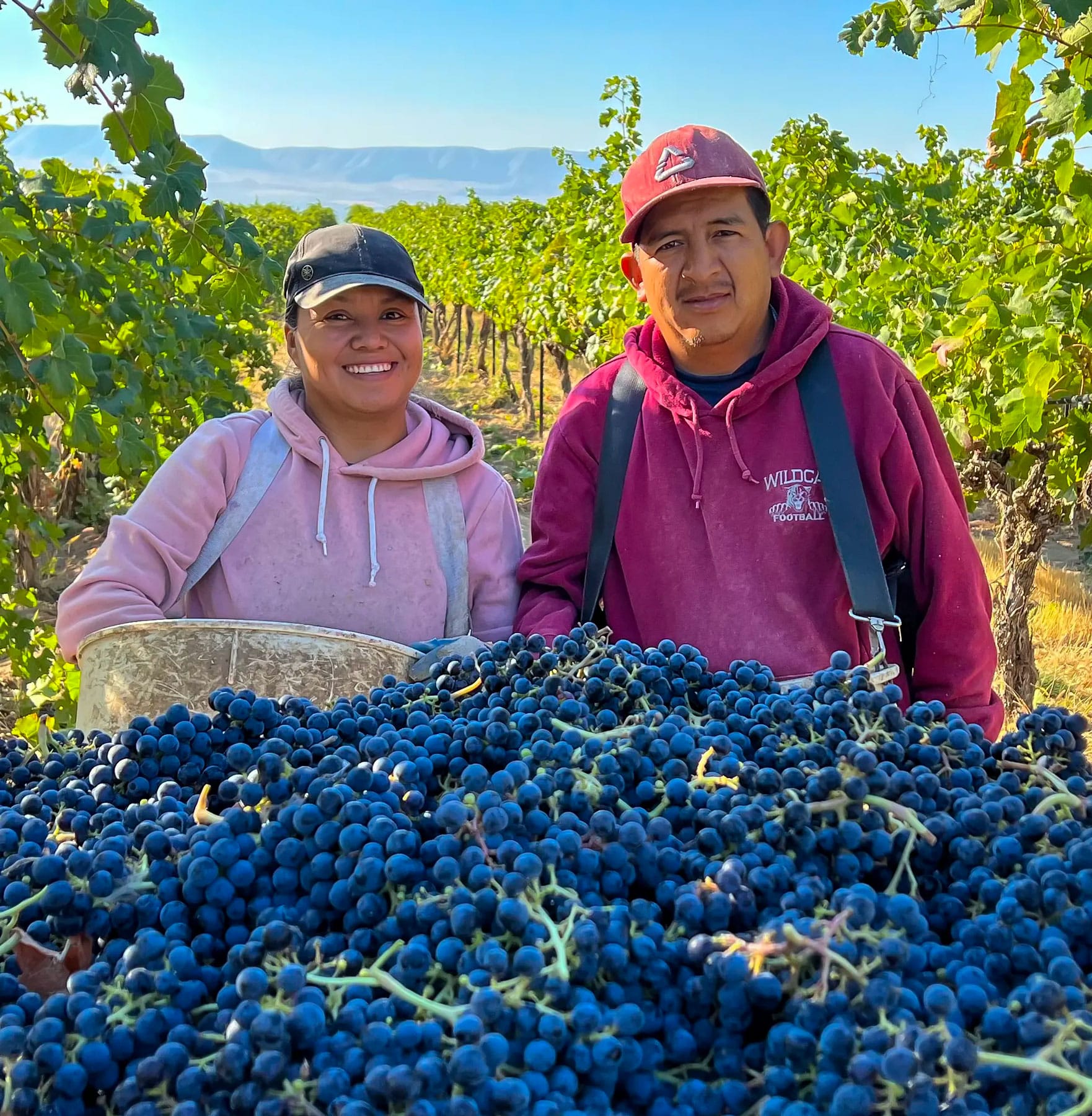
All of our wine-grapes are hand harvested.