

THE CHAPEL
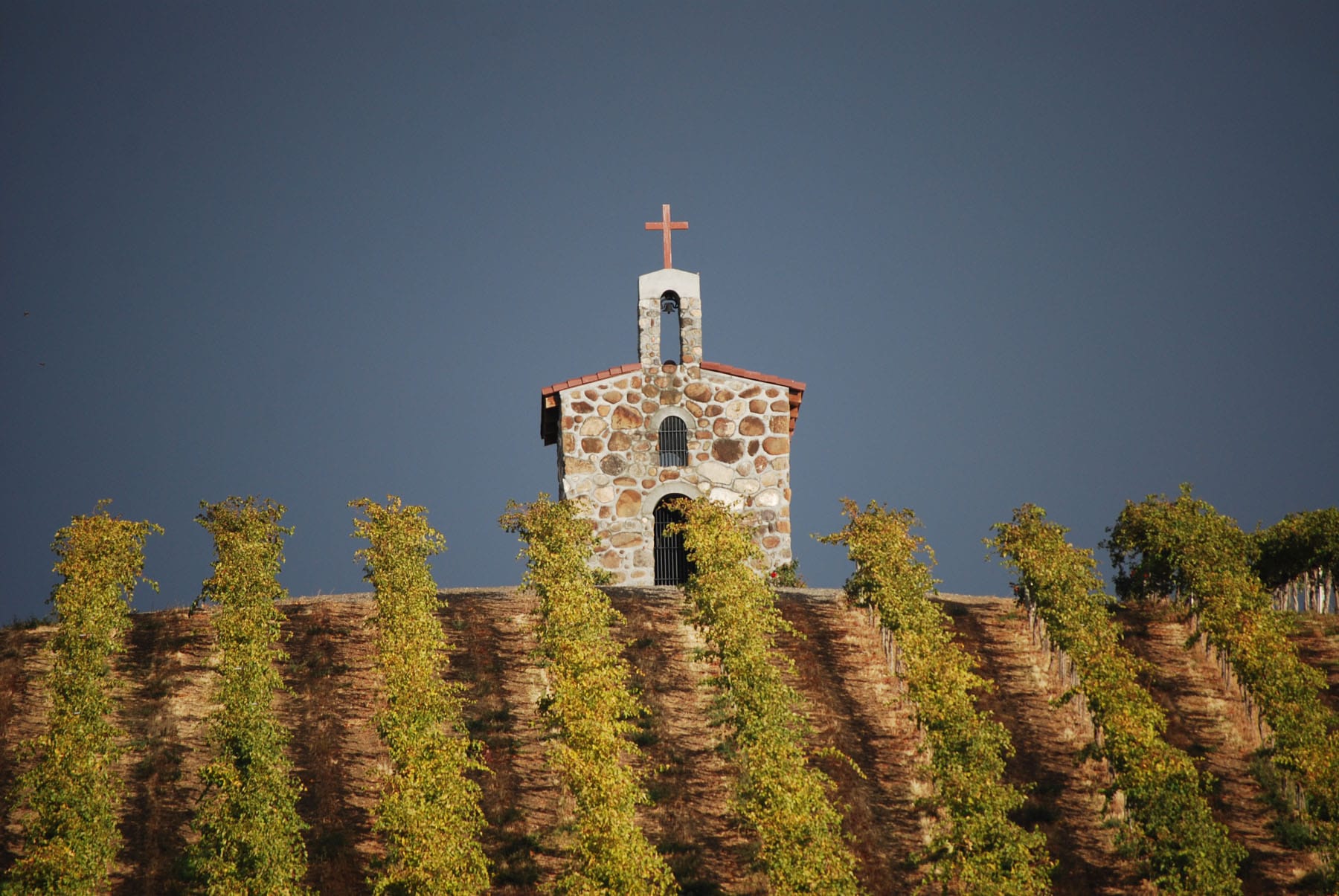
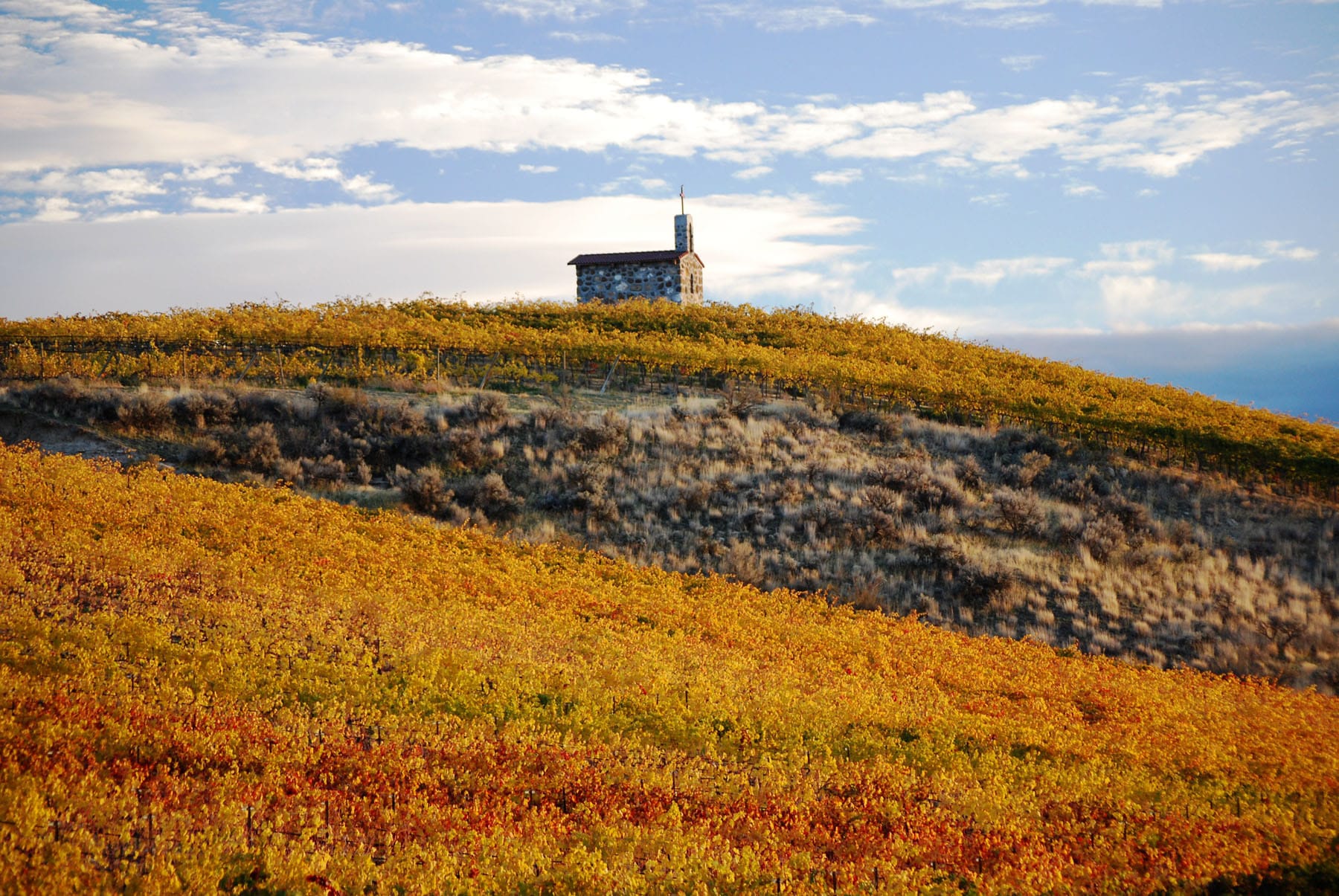
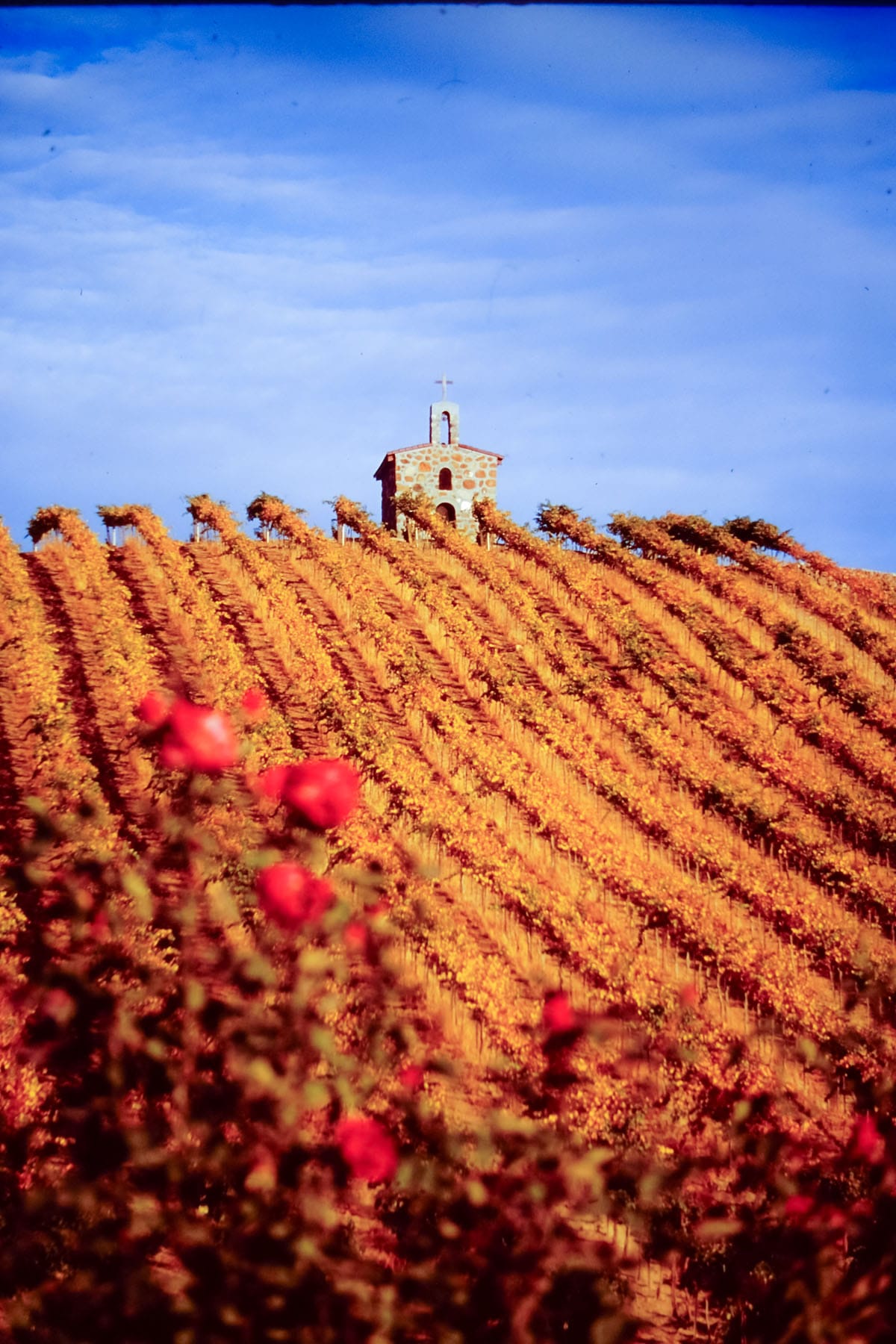
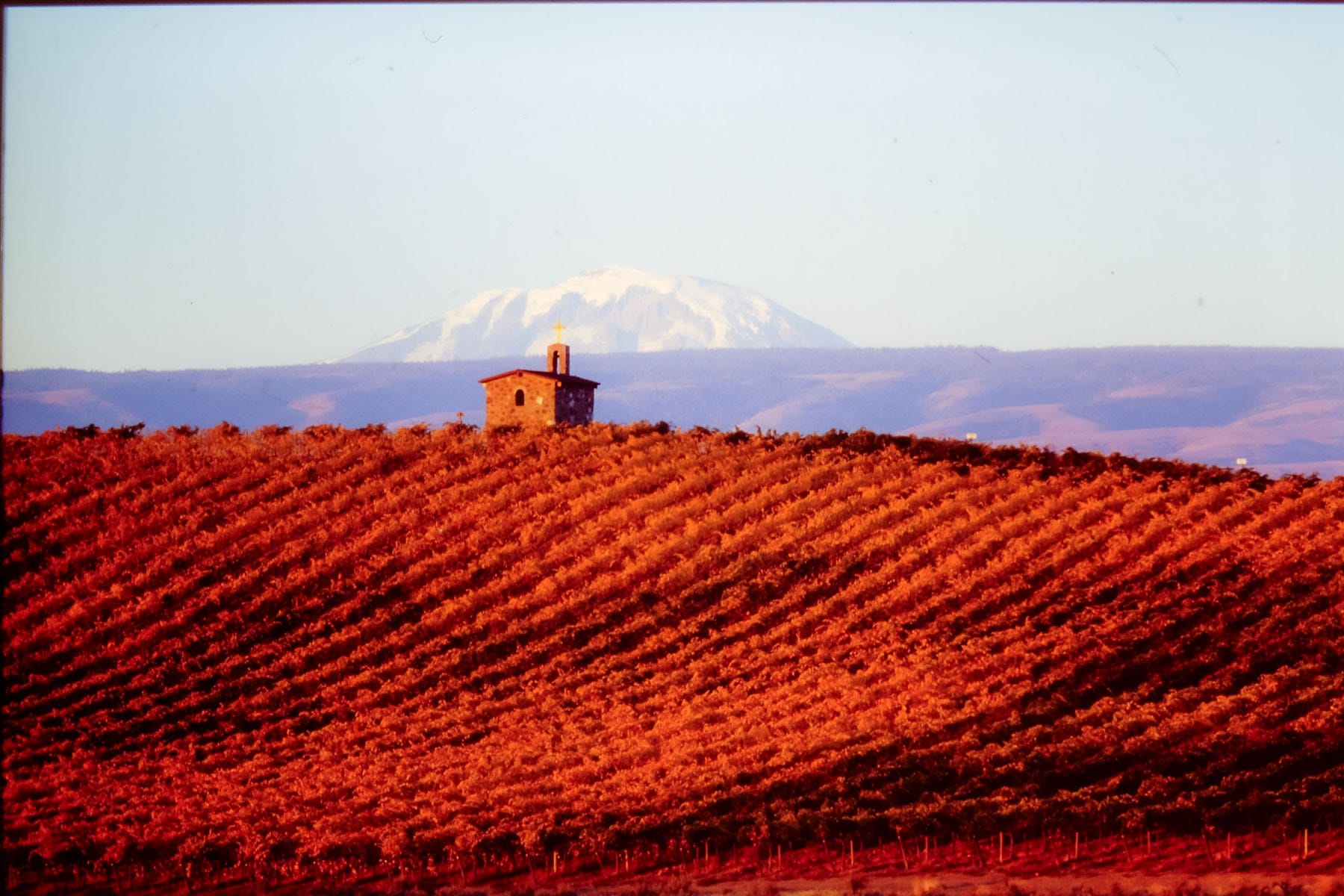
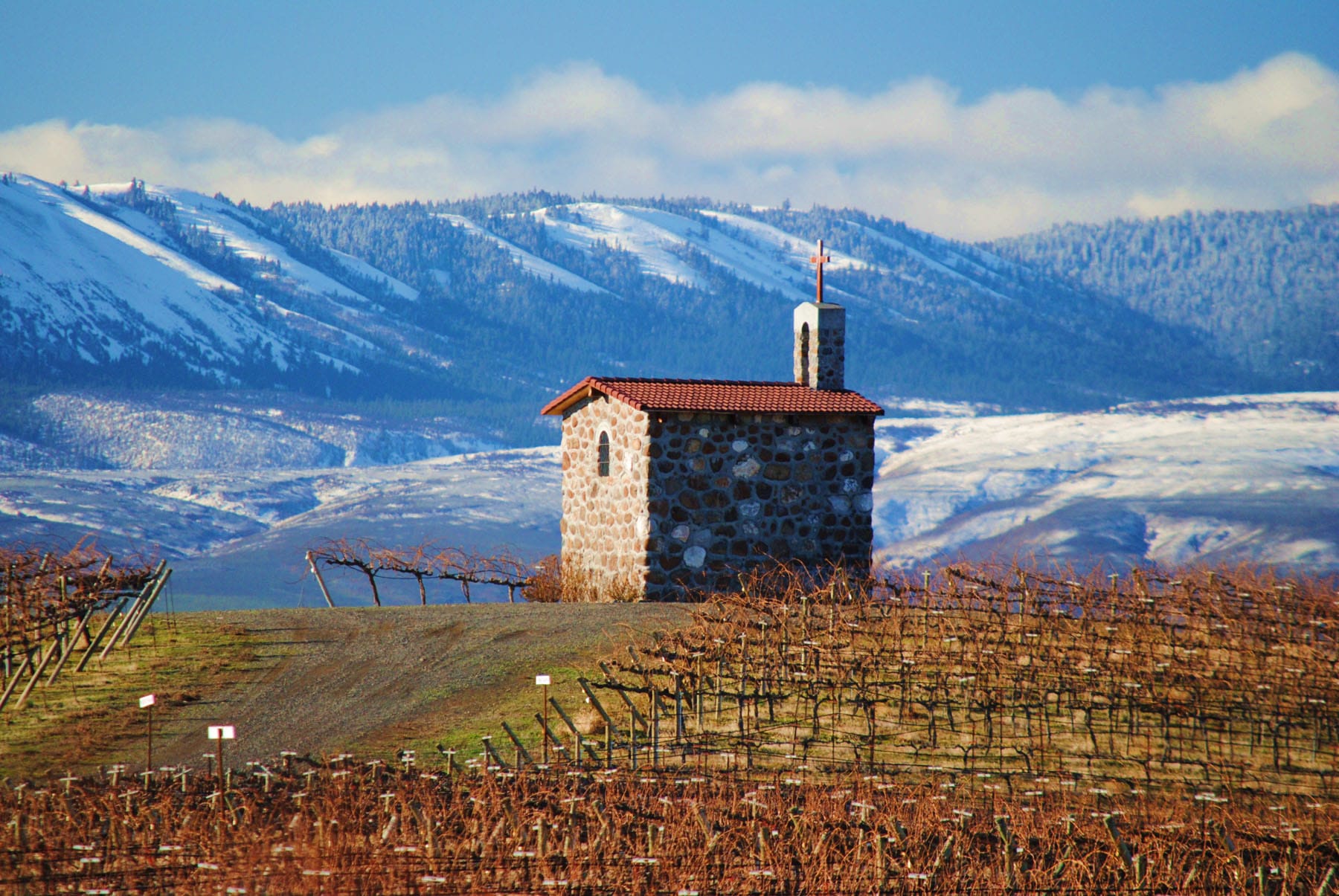
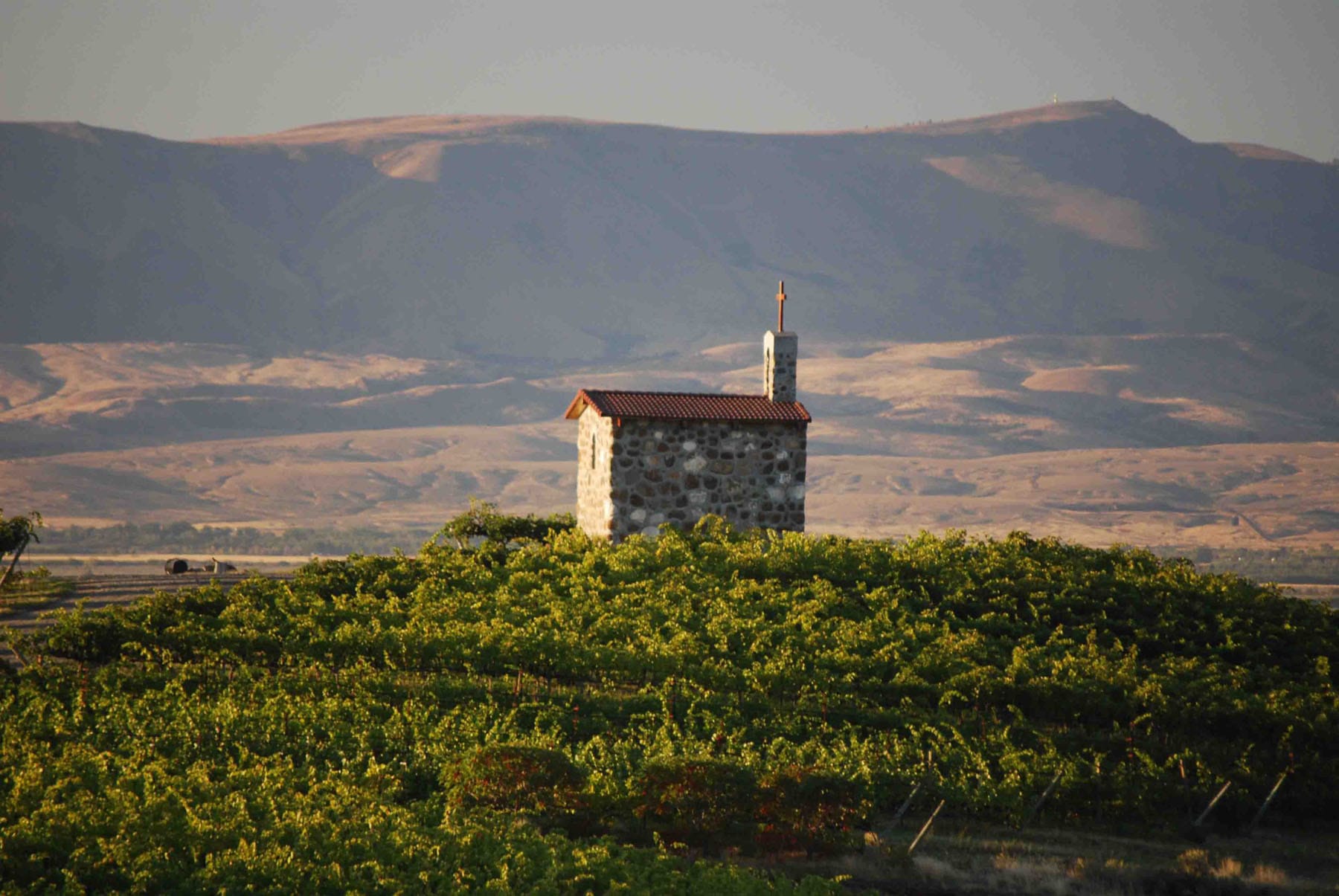
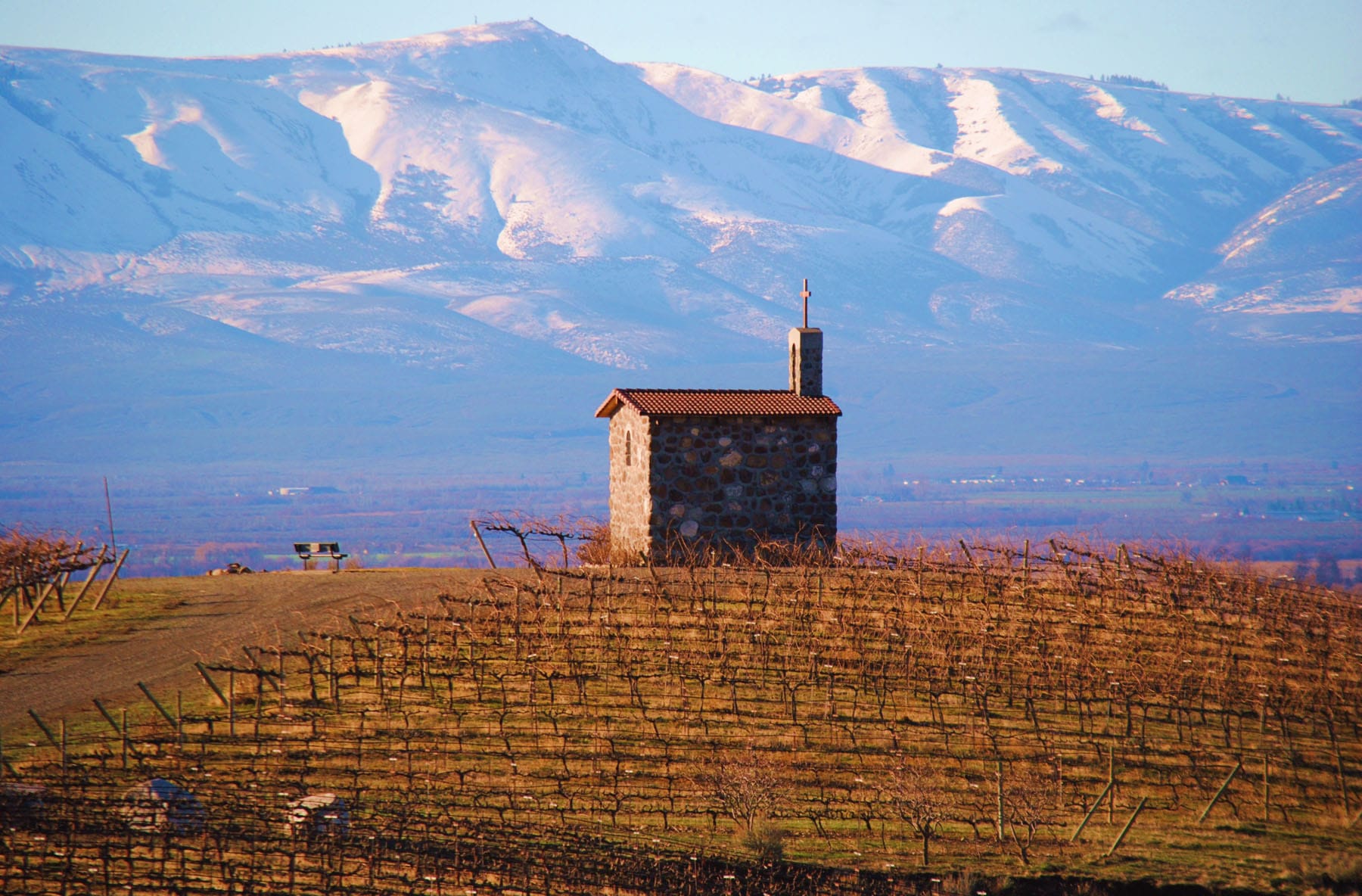
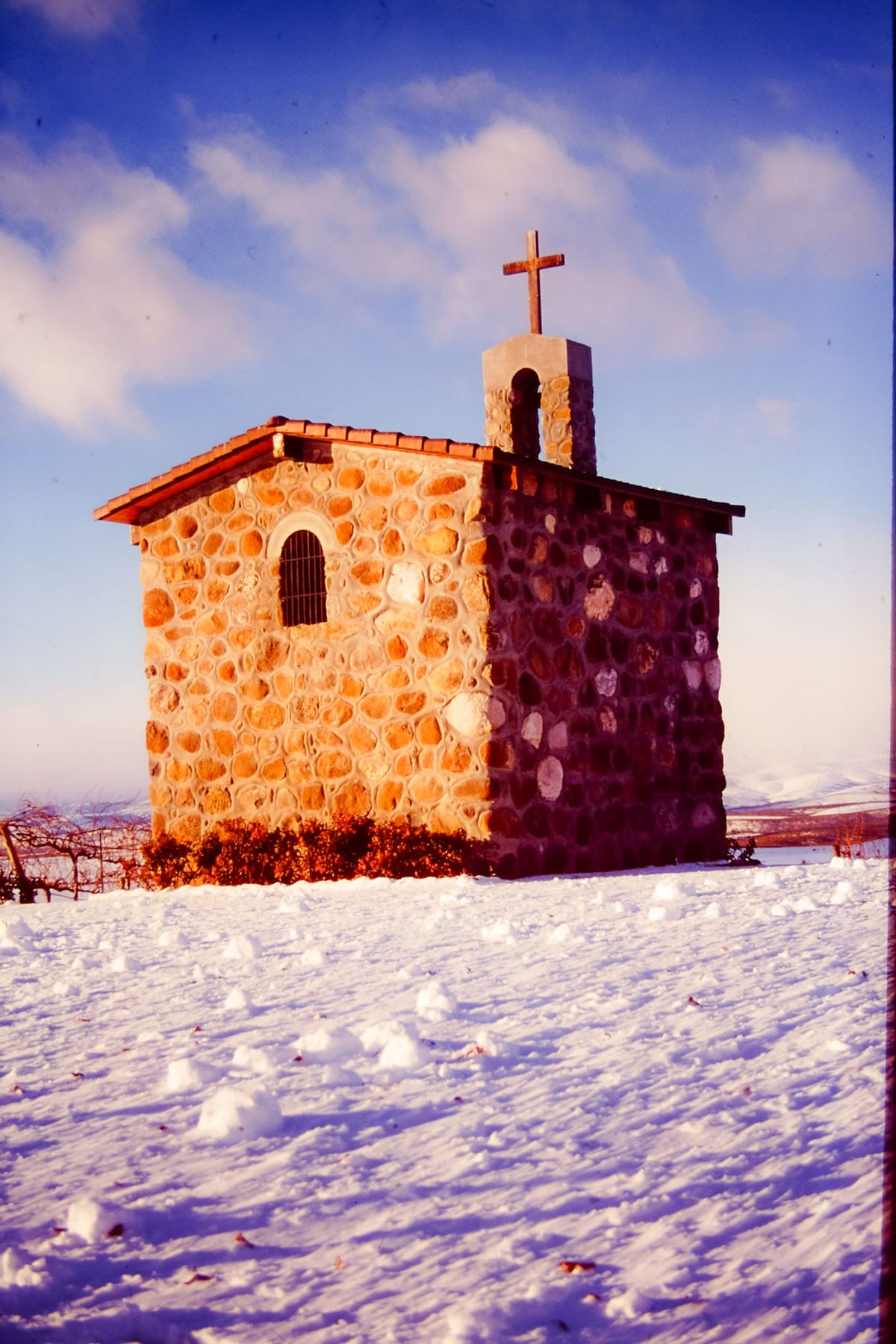
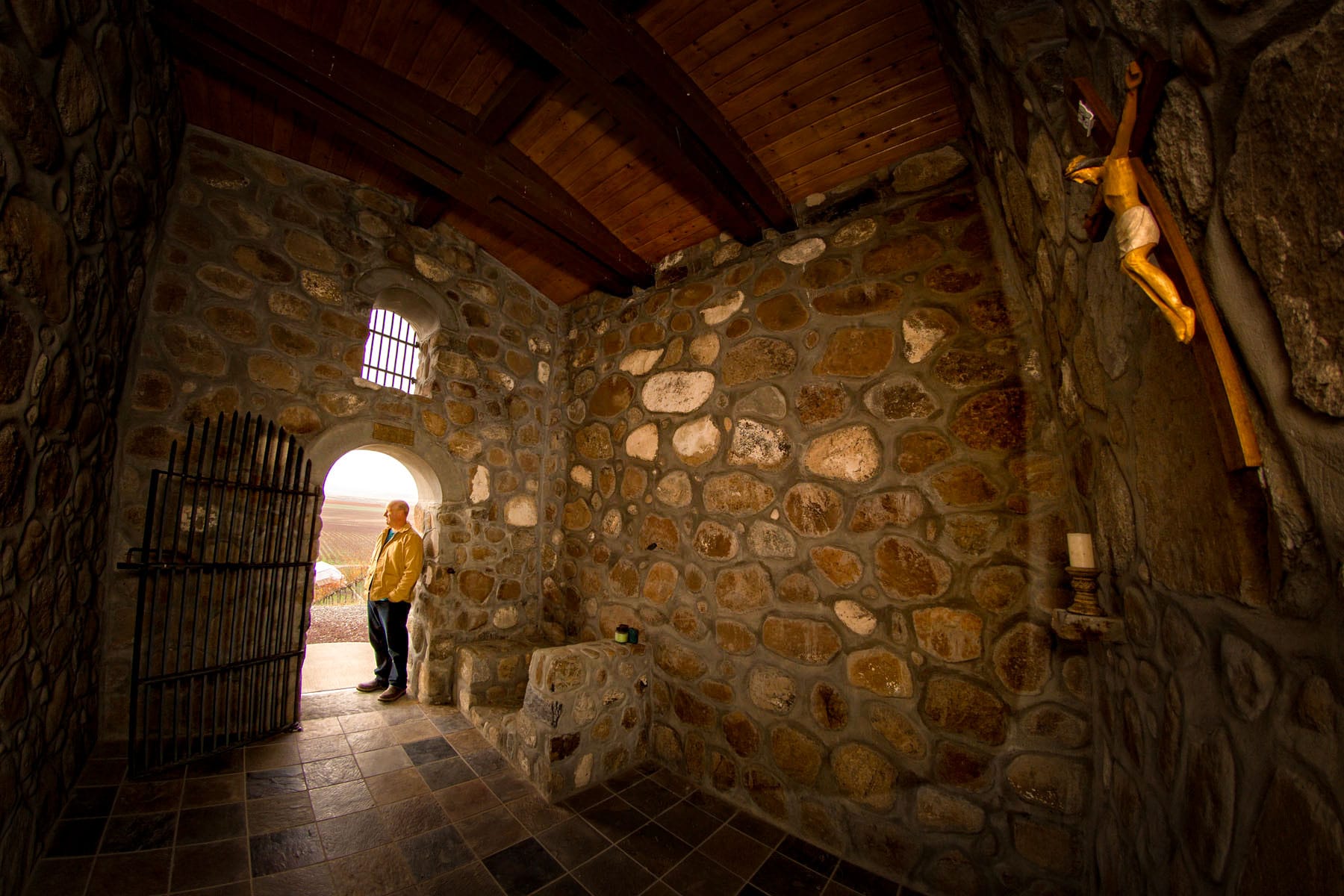
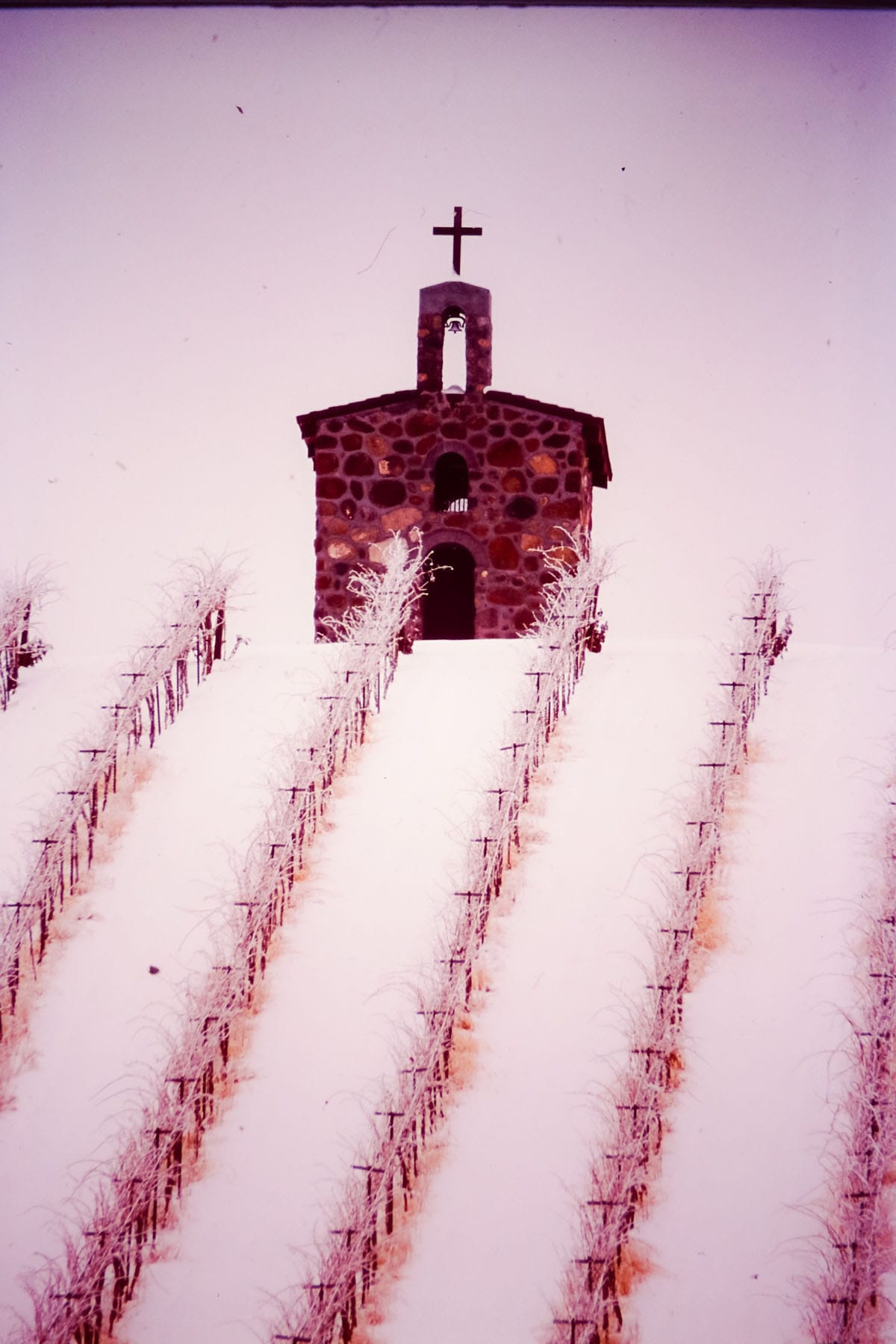
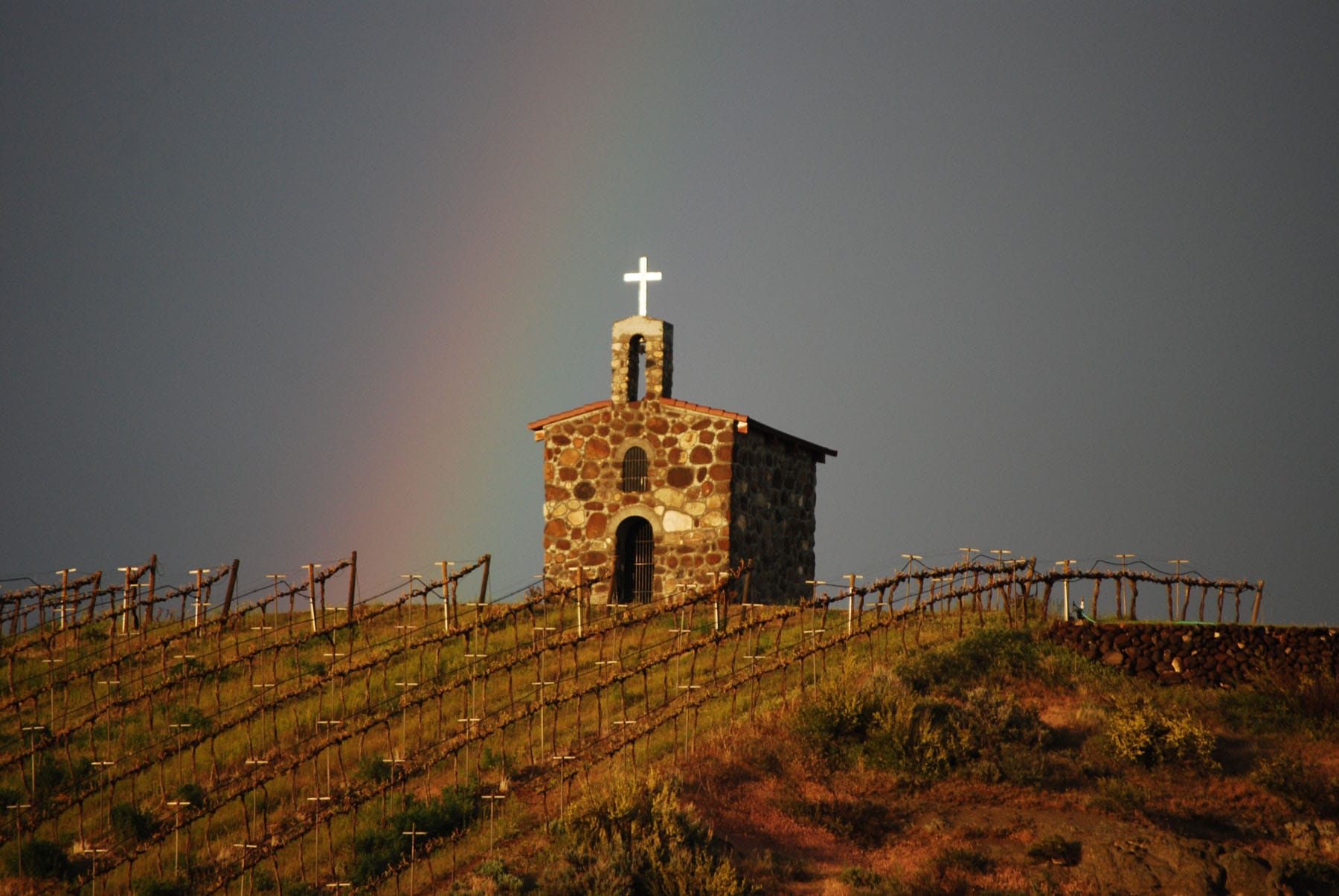
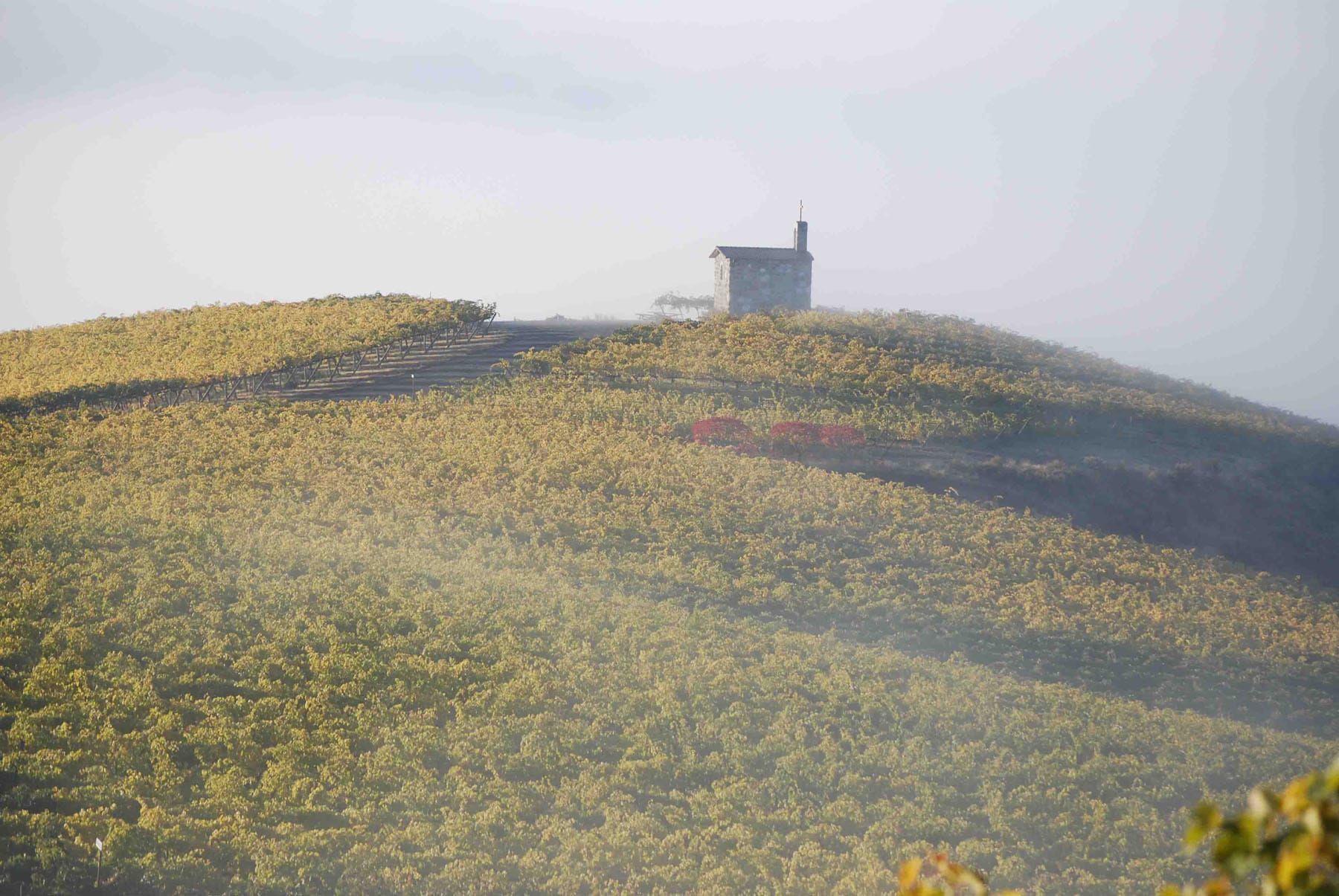
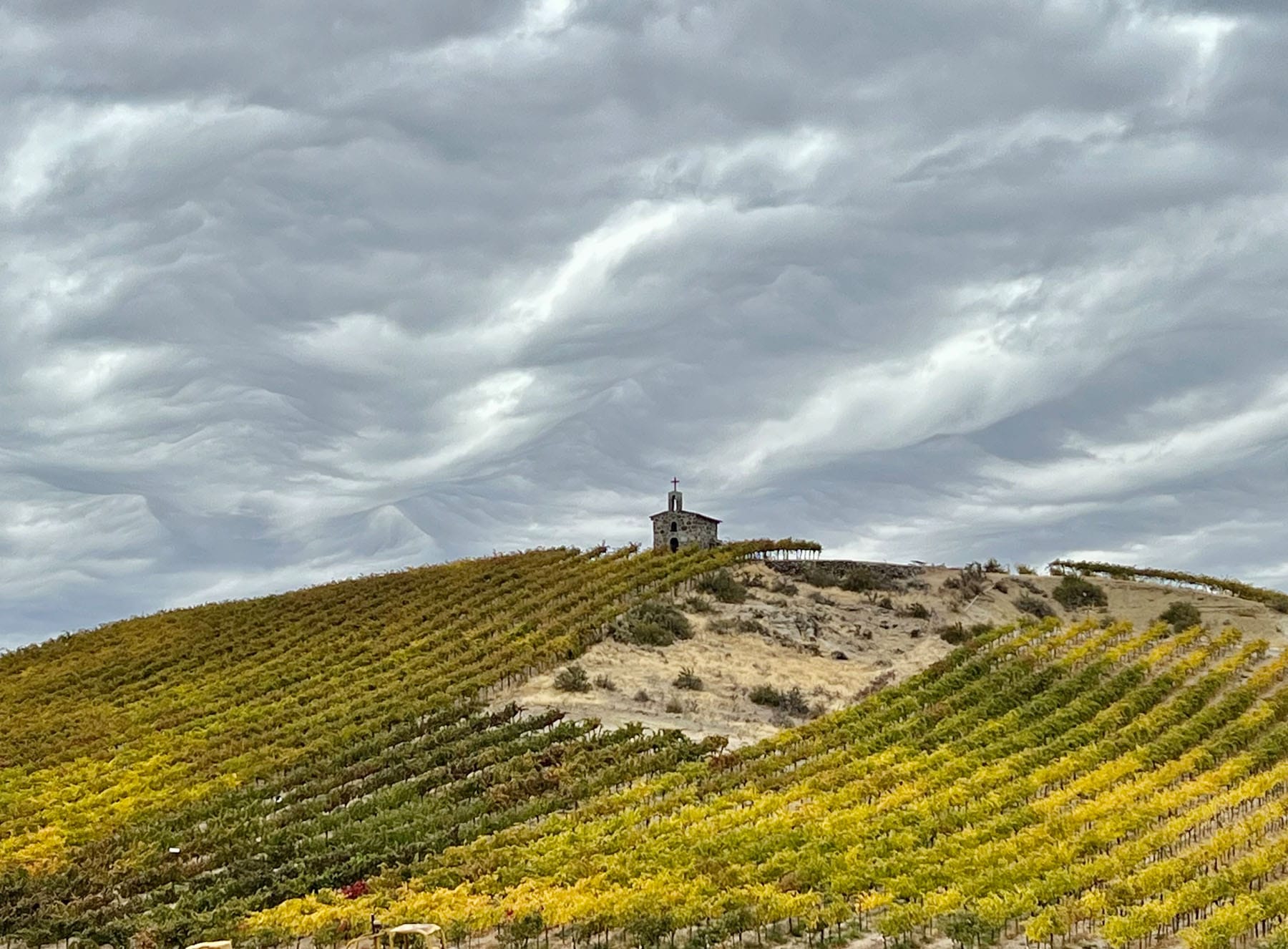
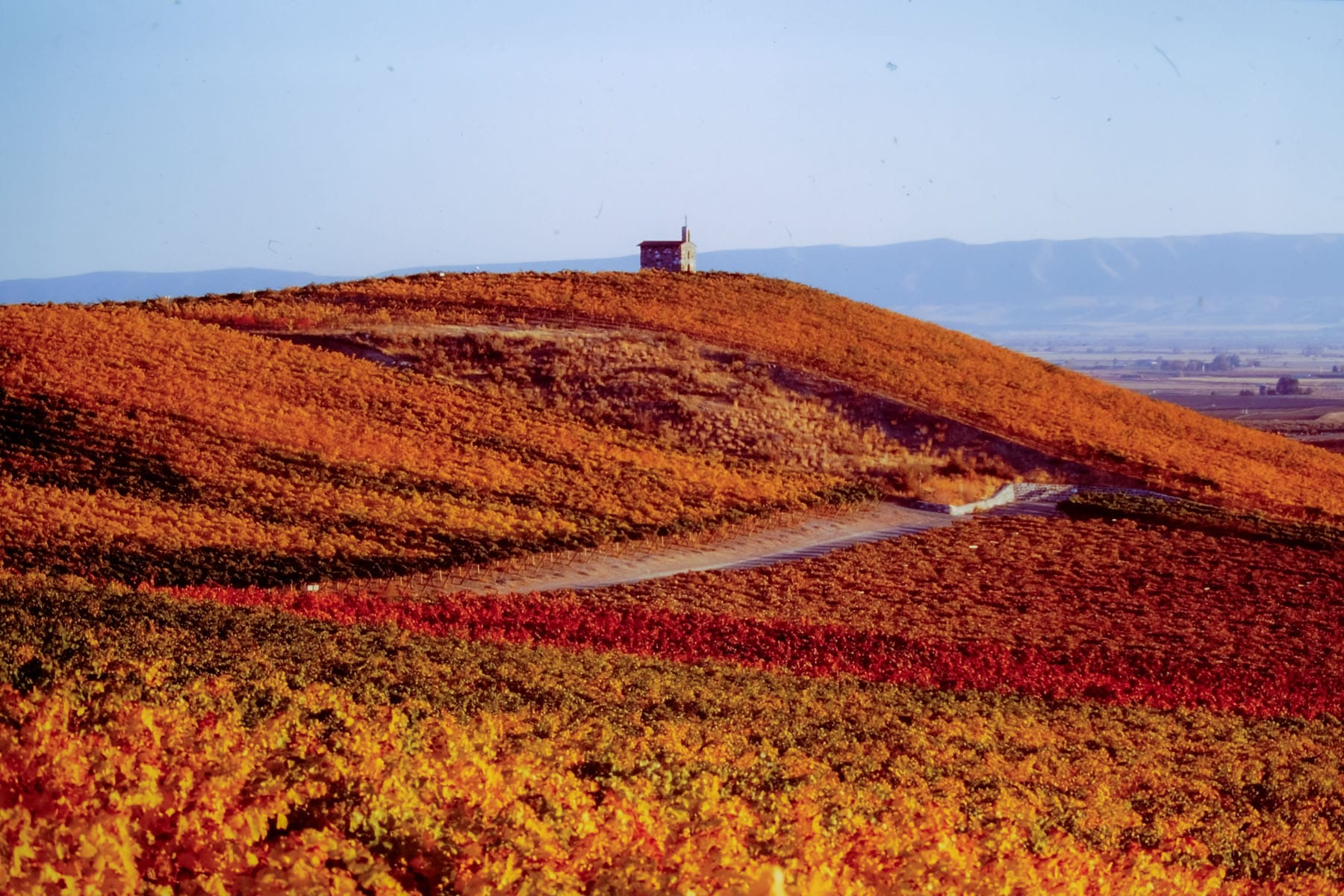
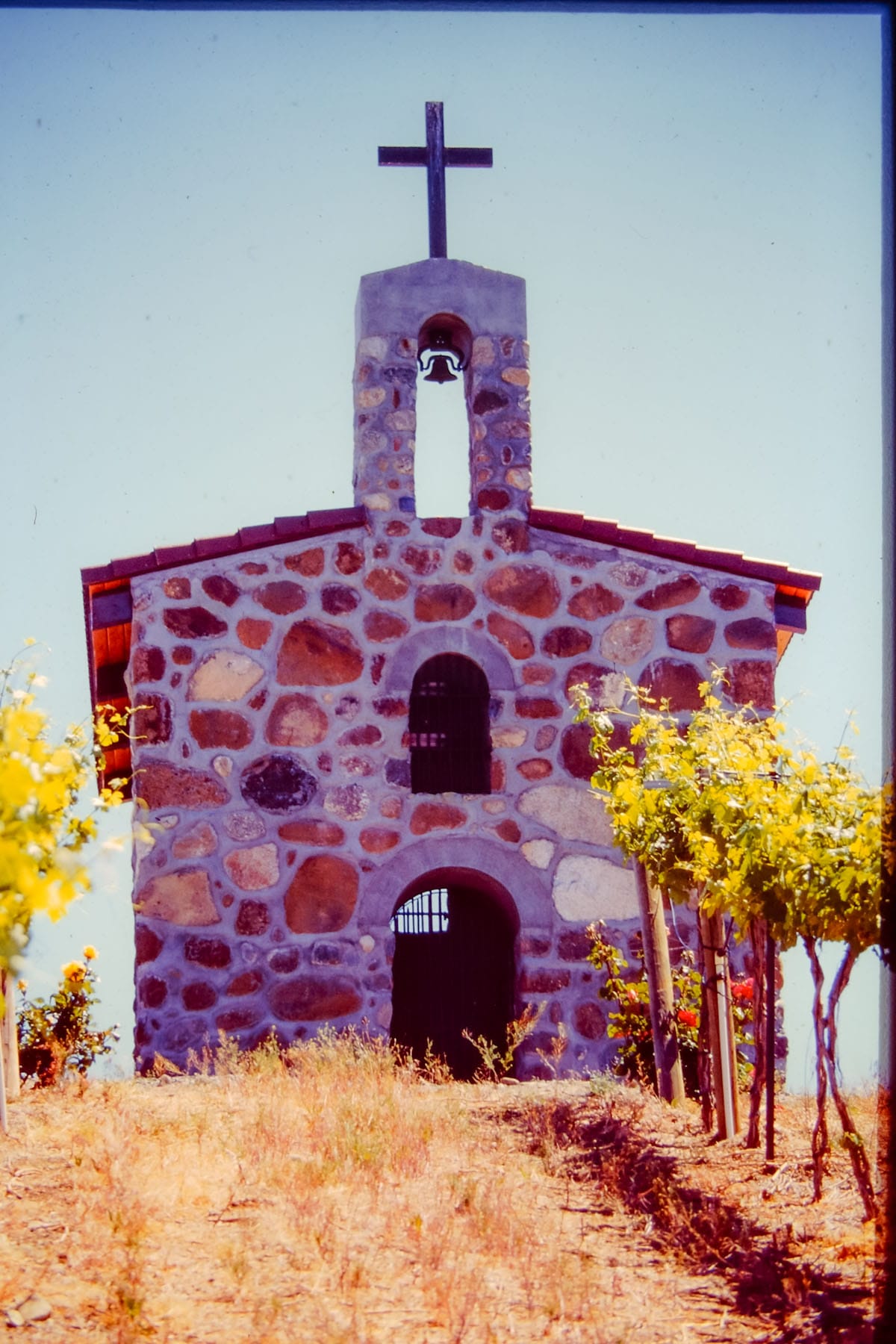
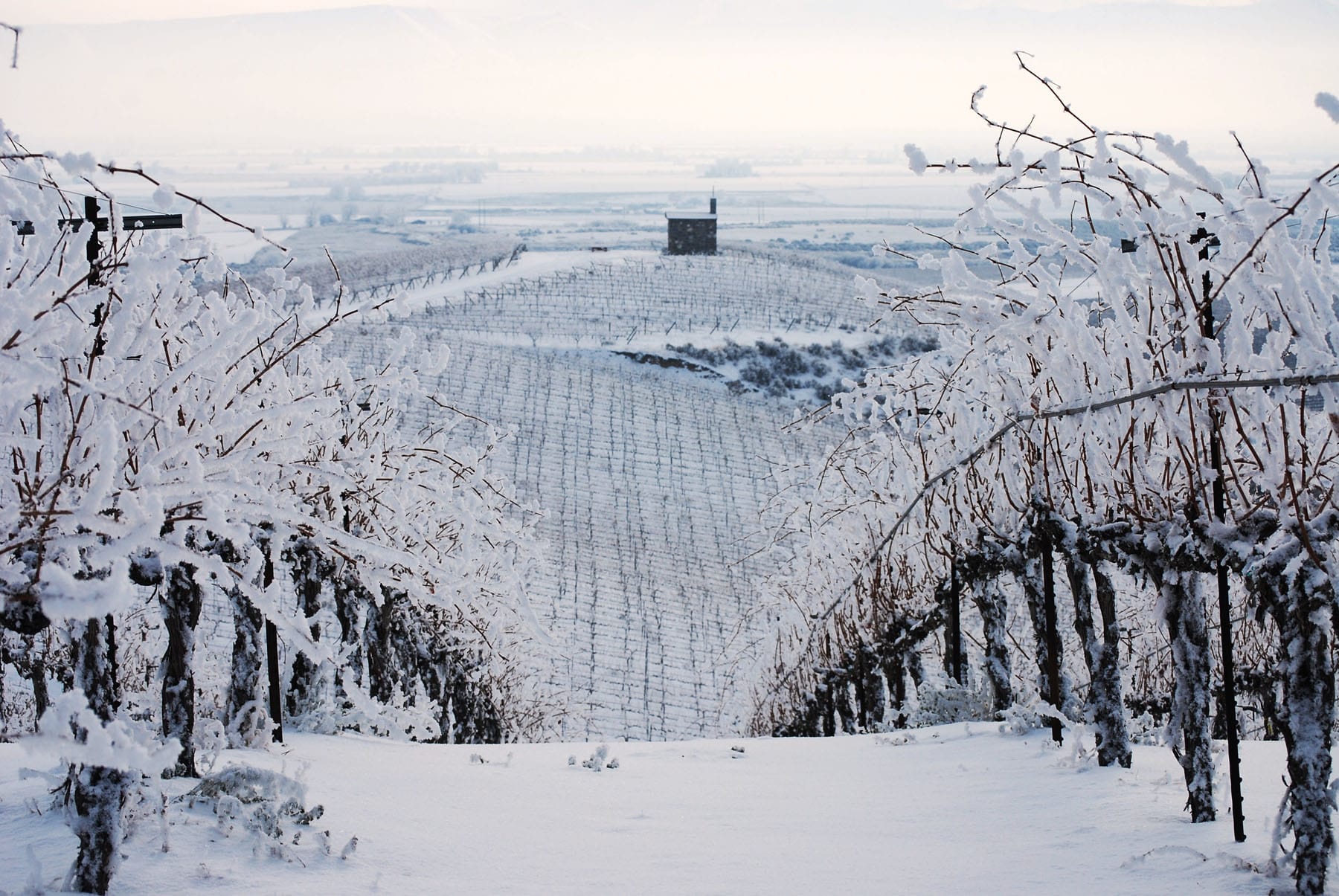
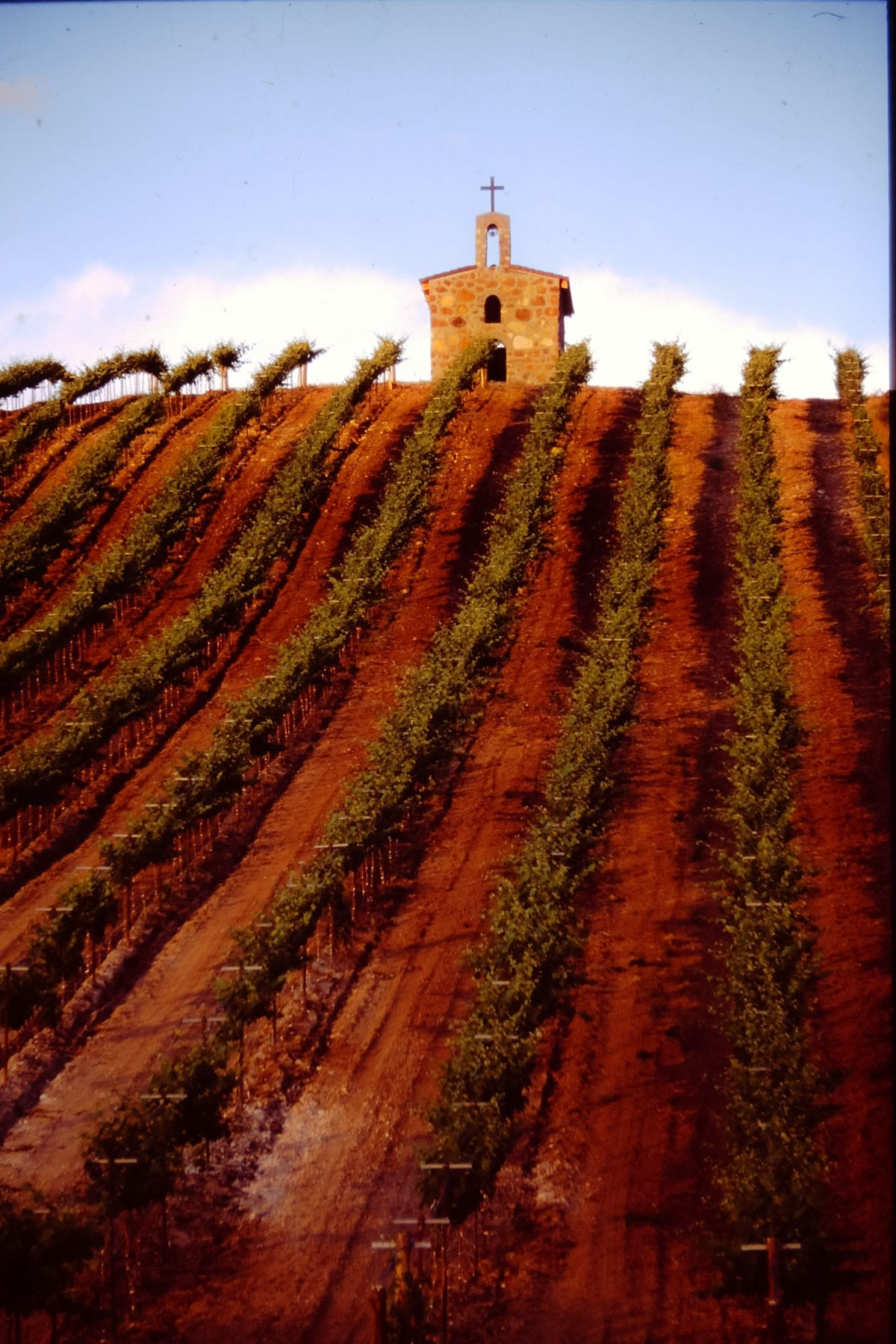
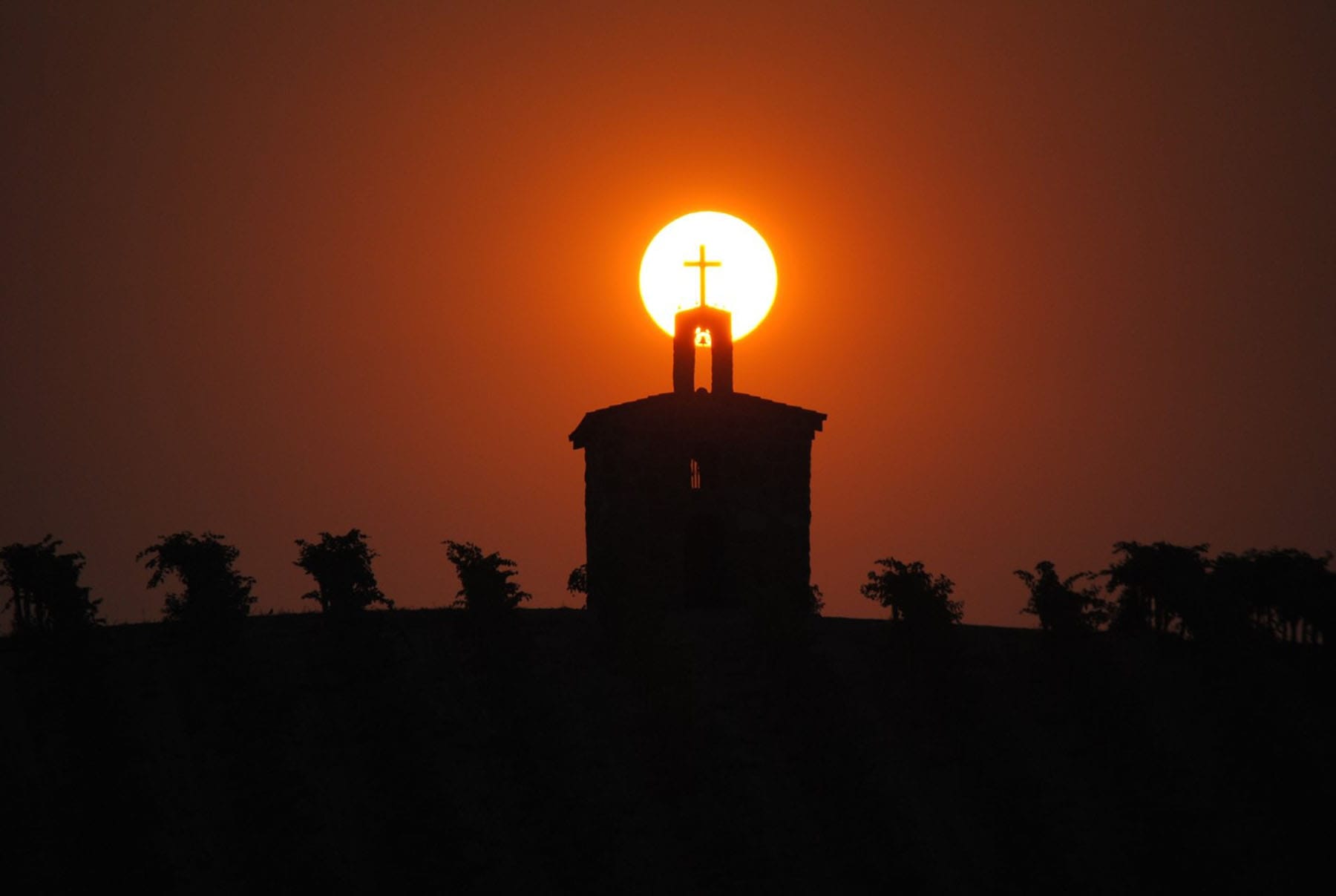
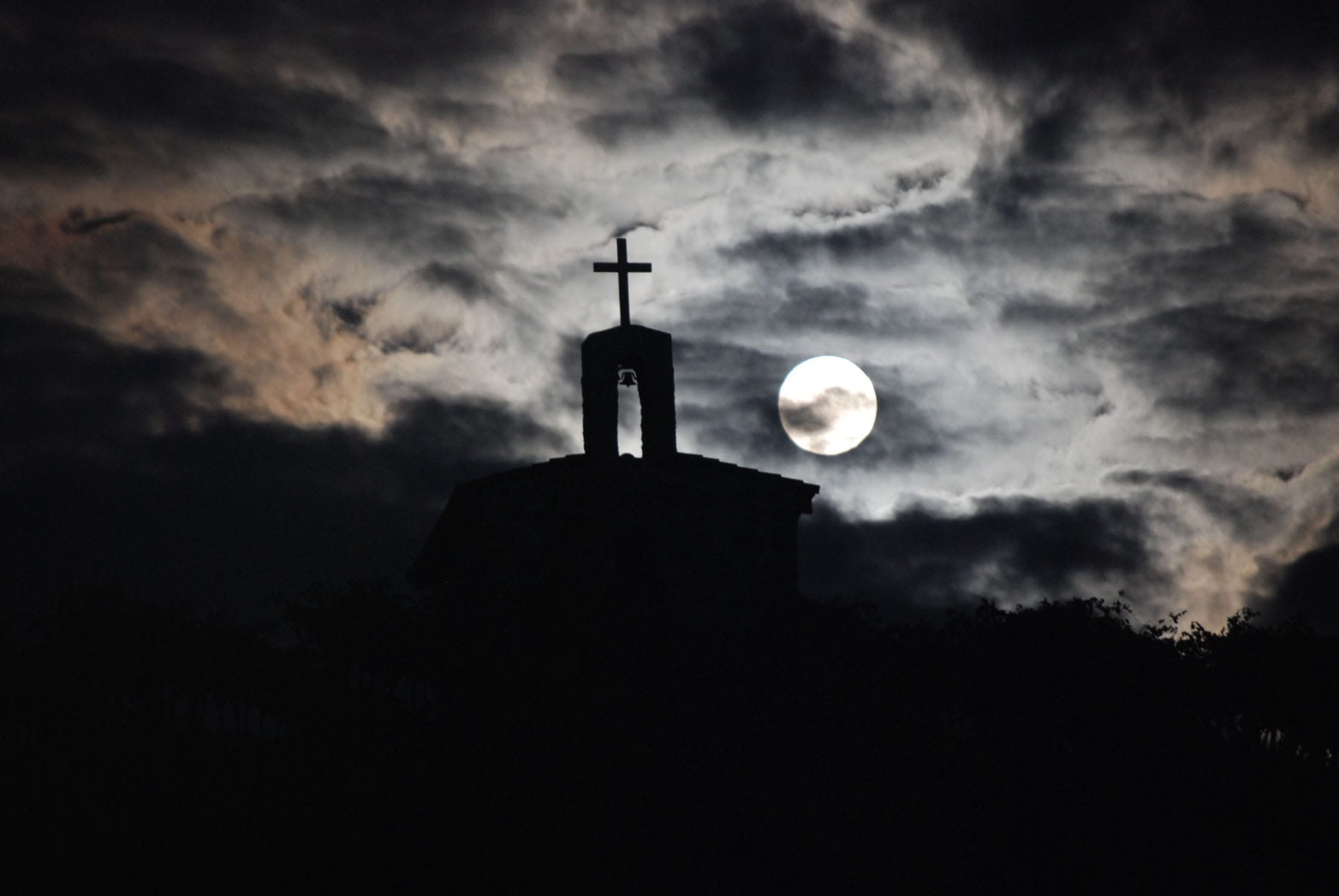
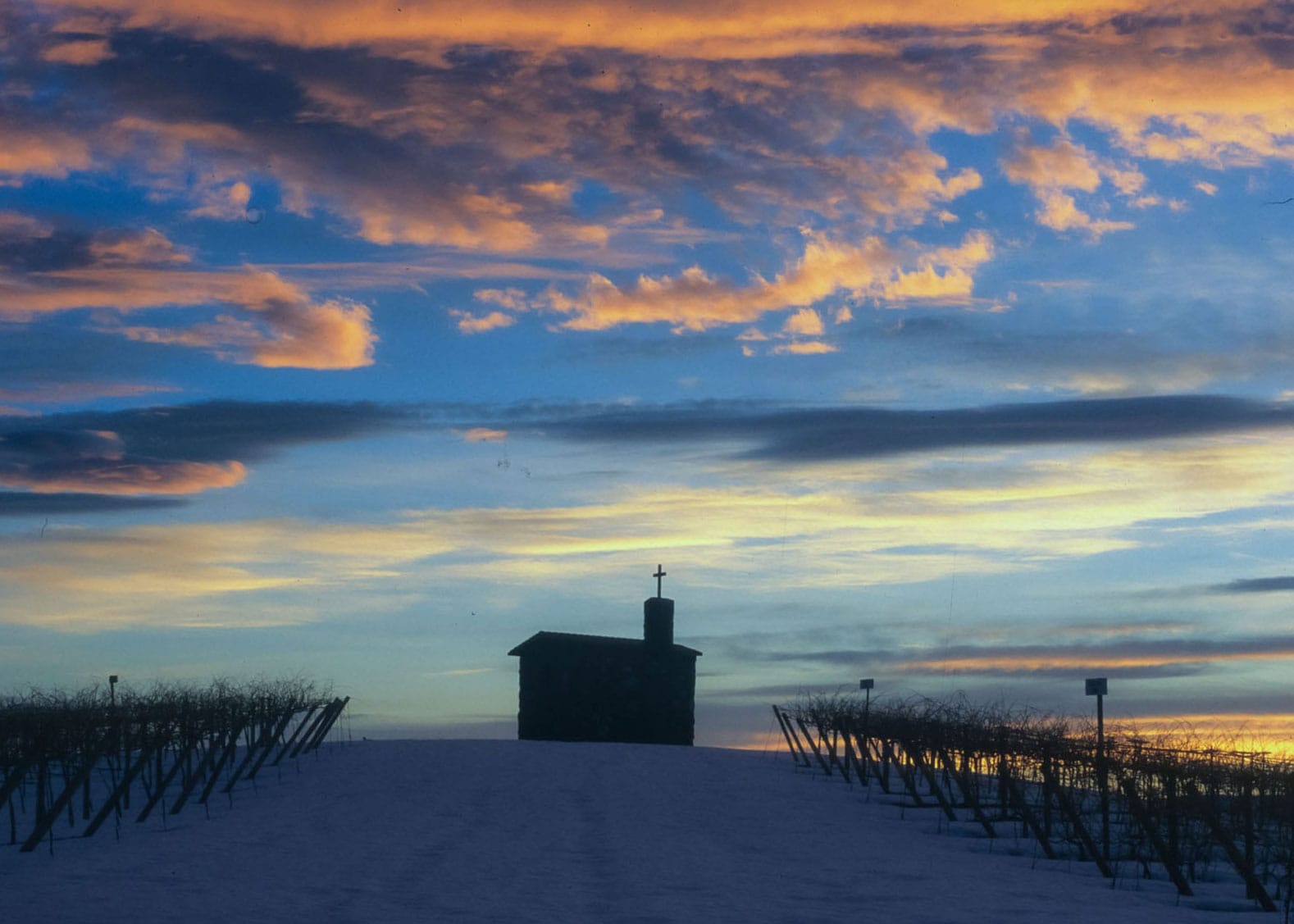
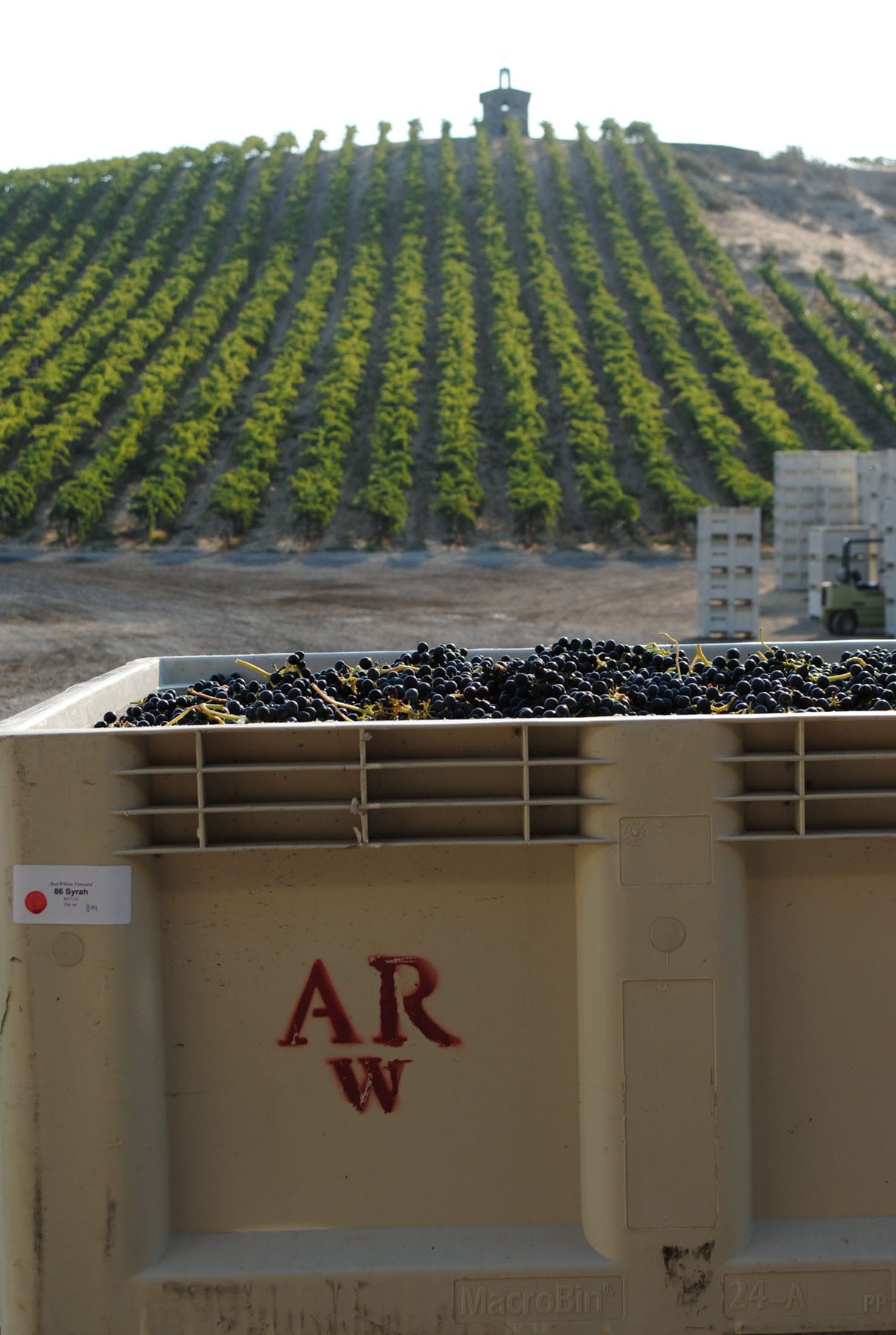
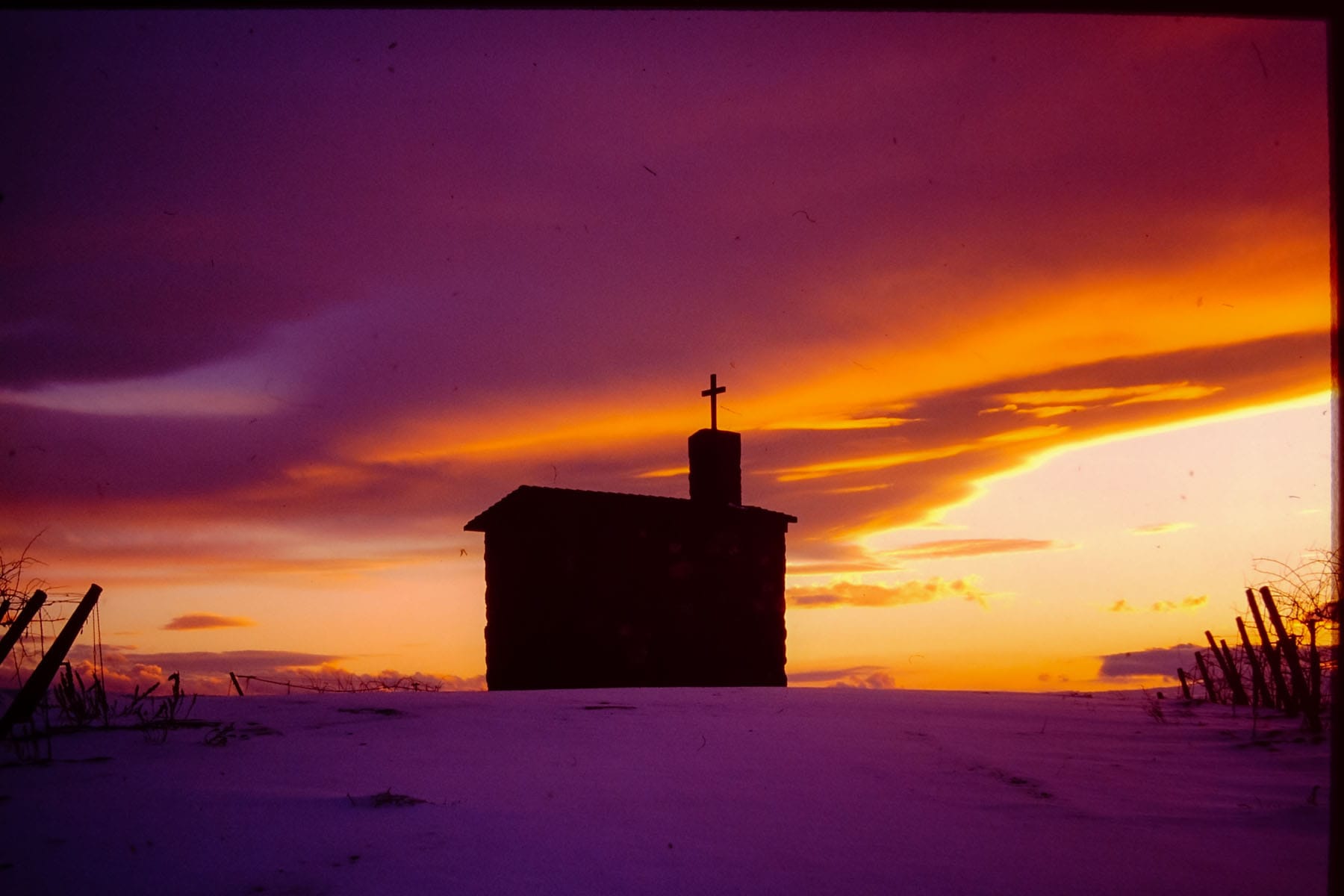
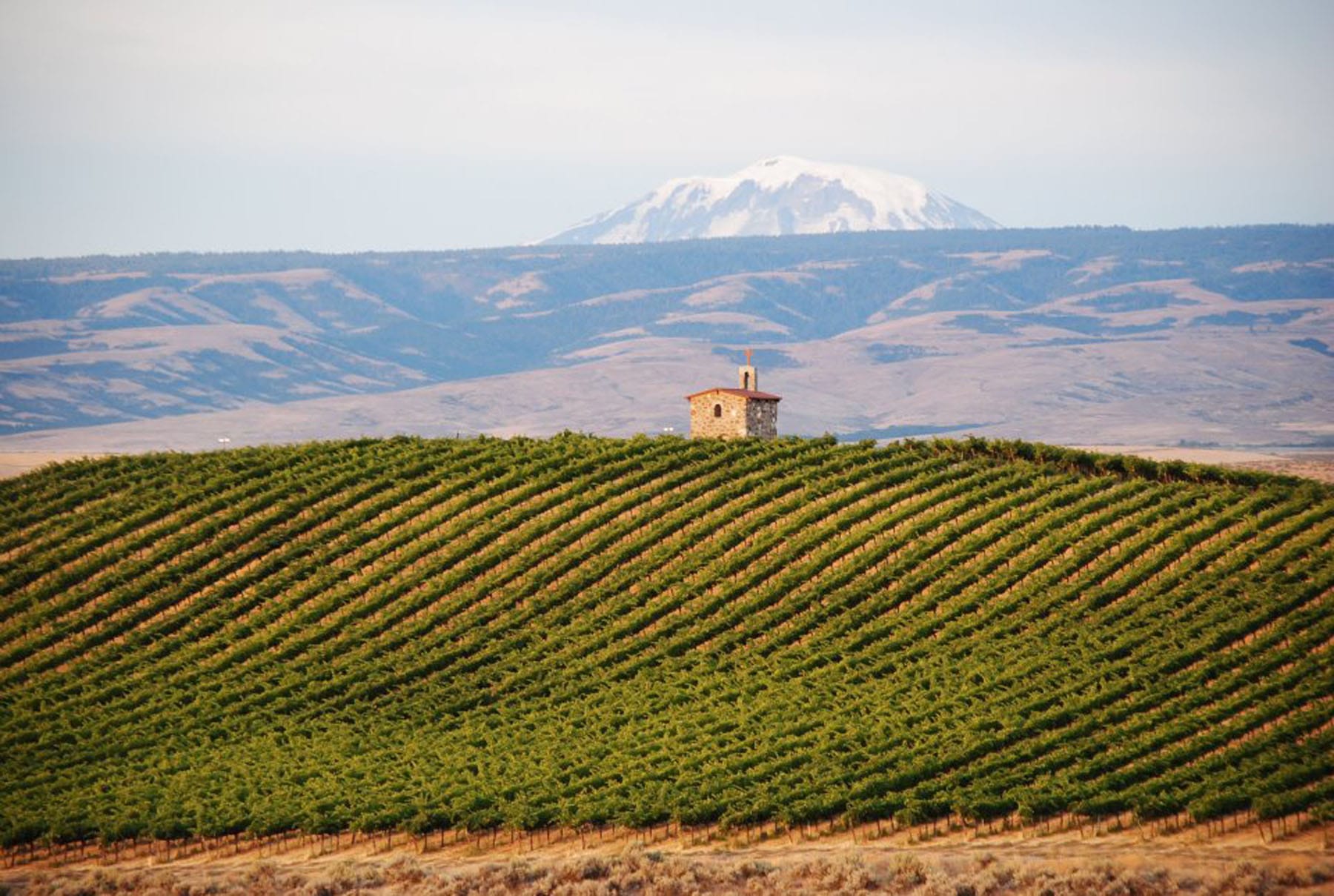
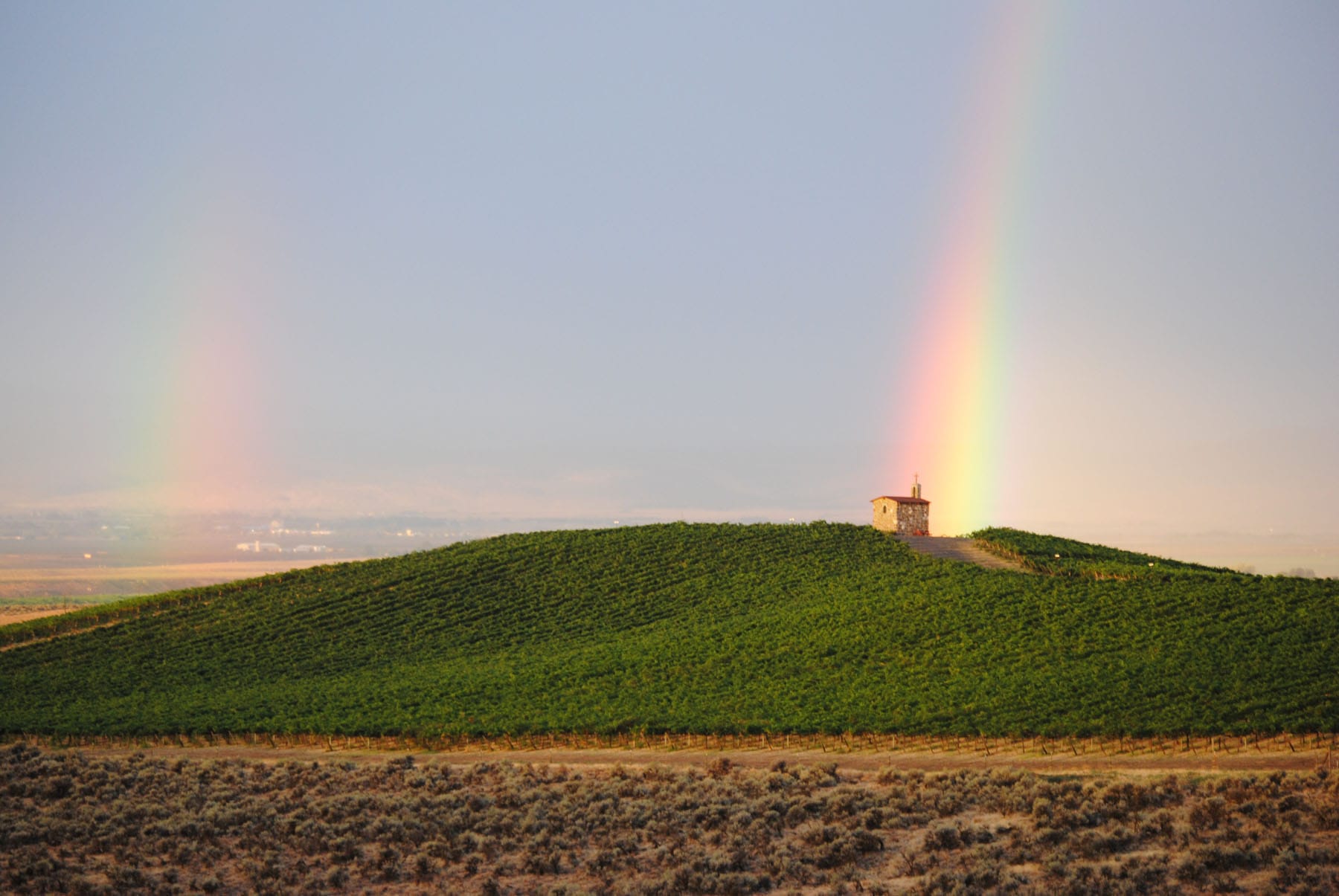
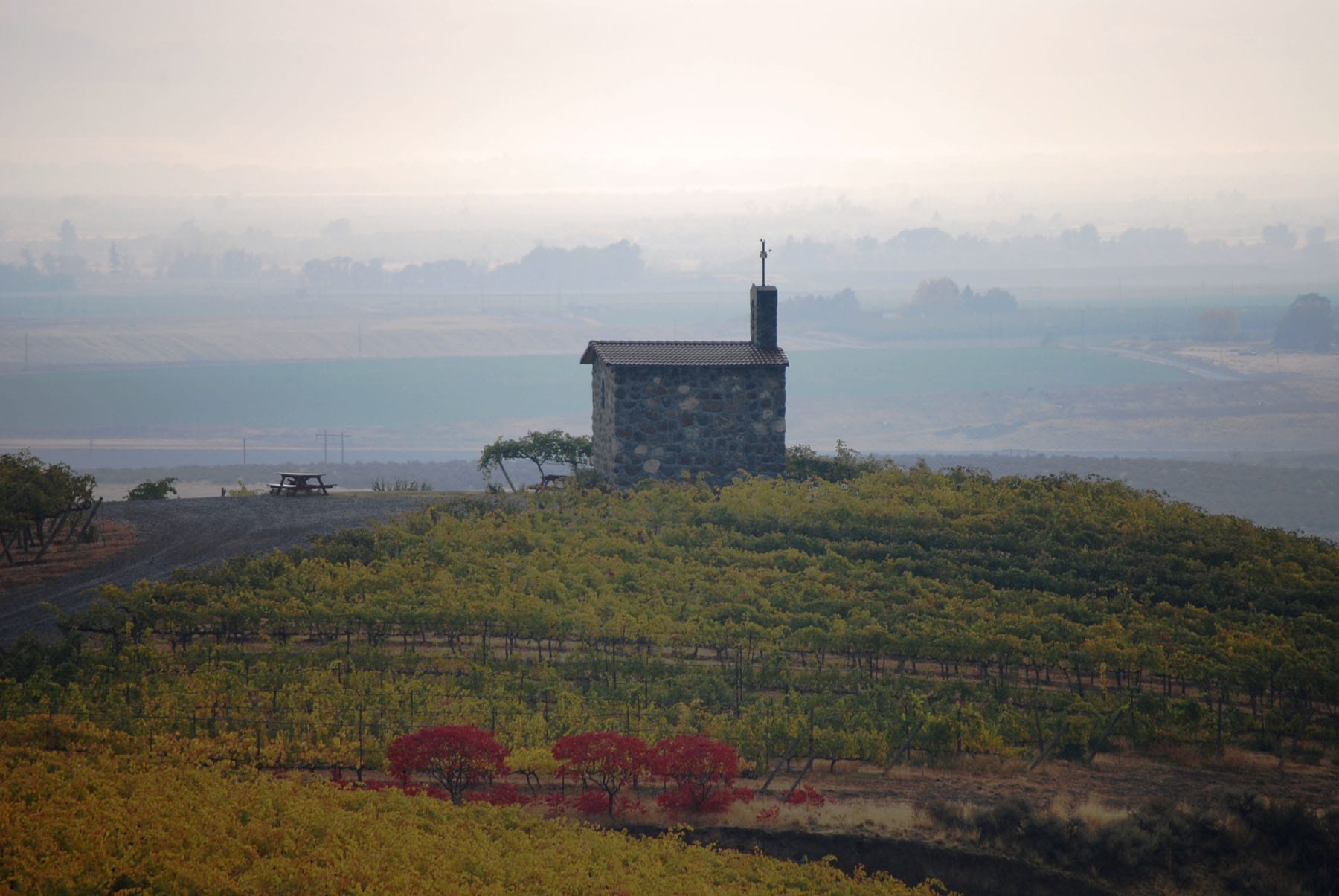
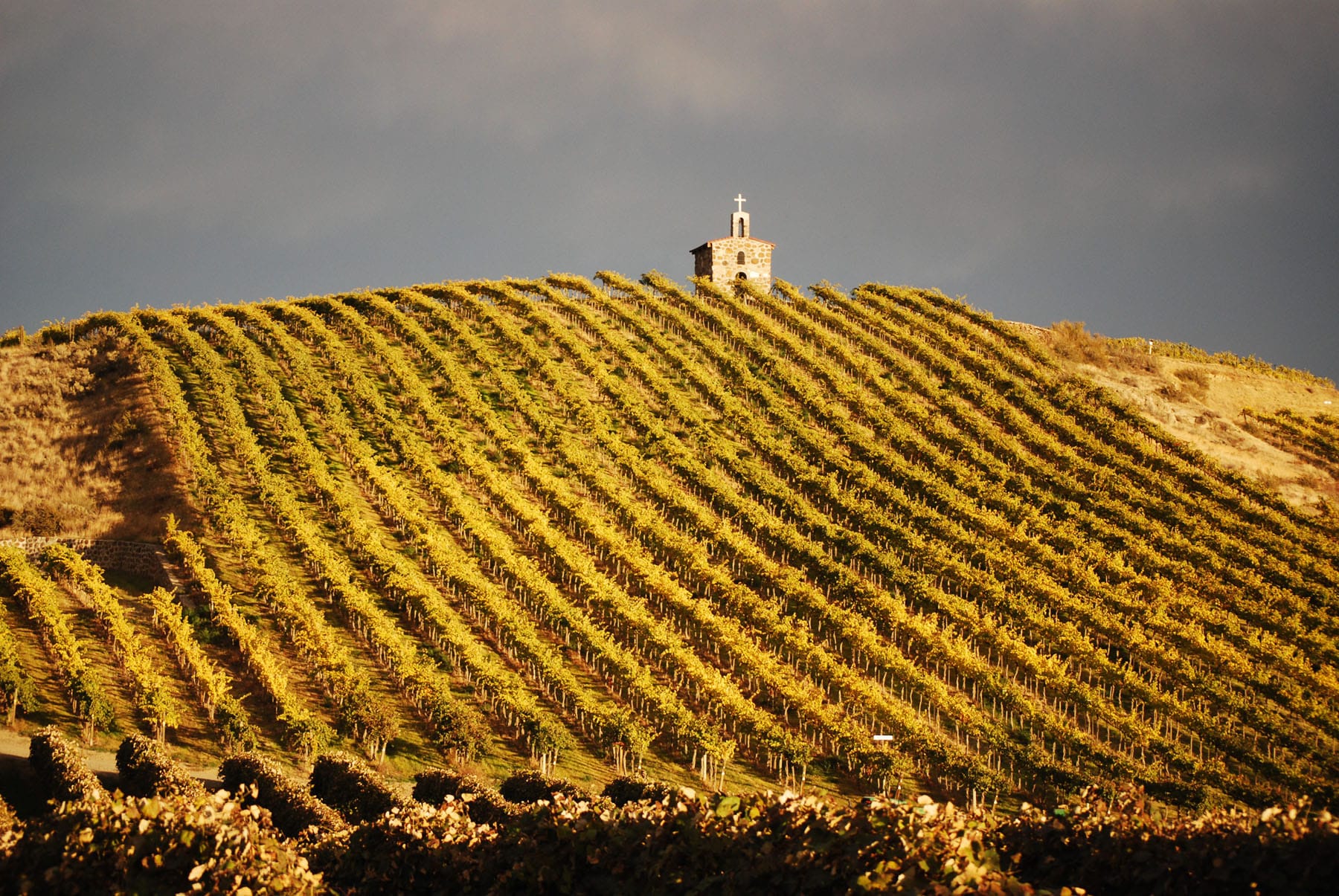
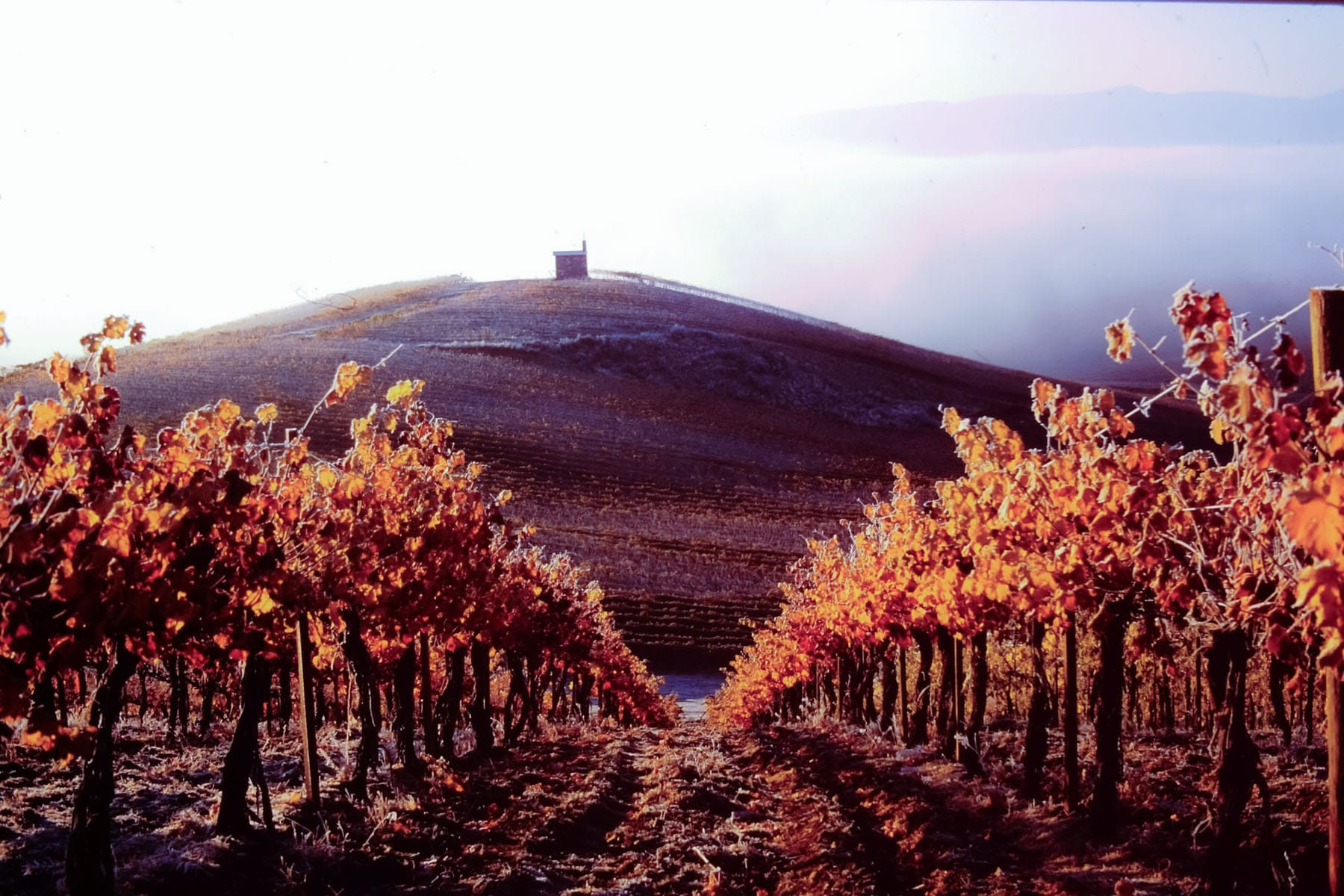
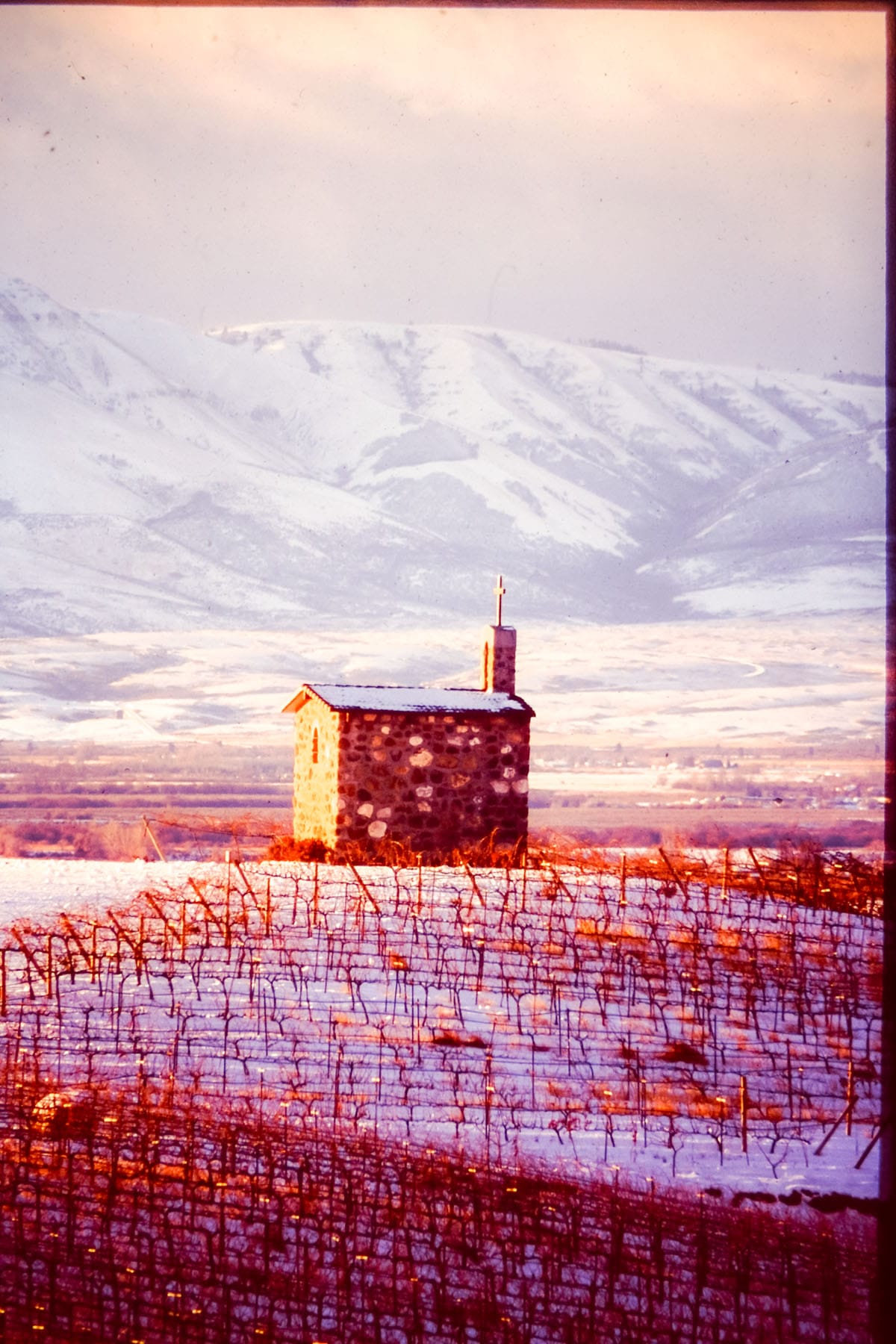
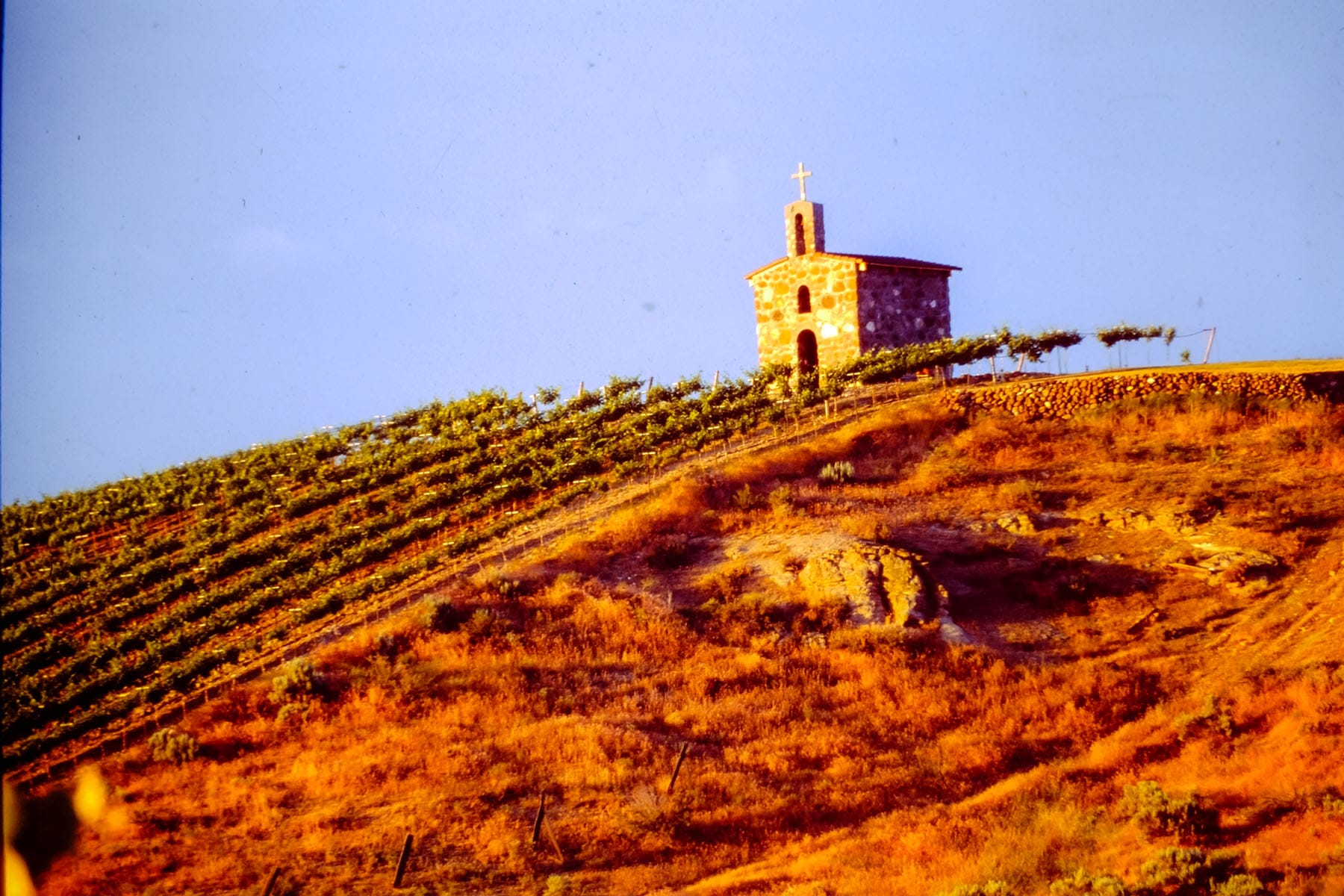
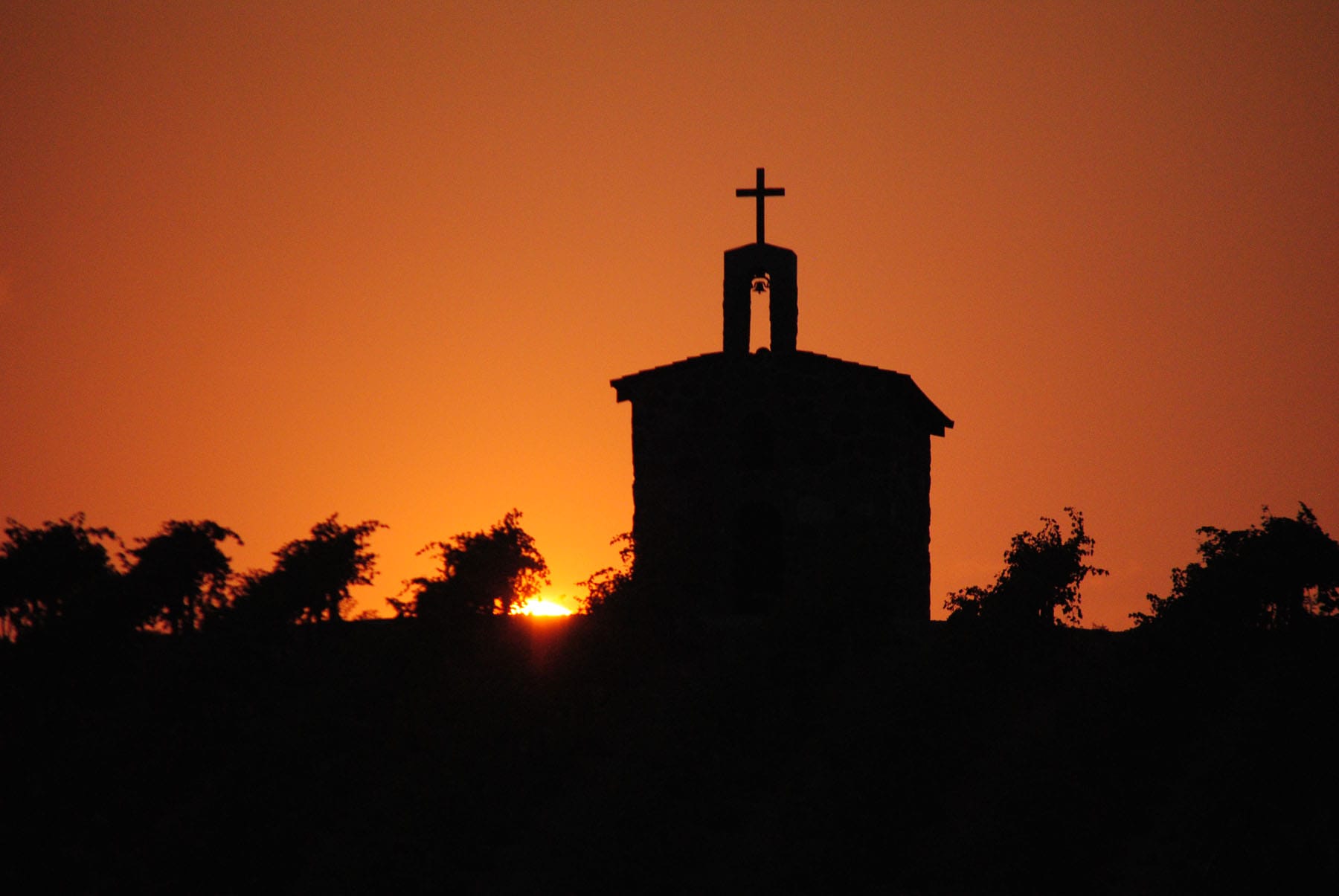
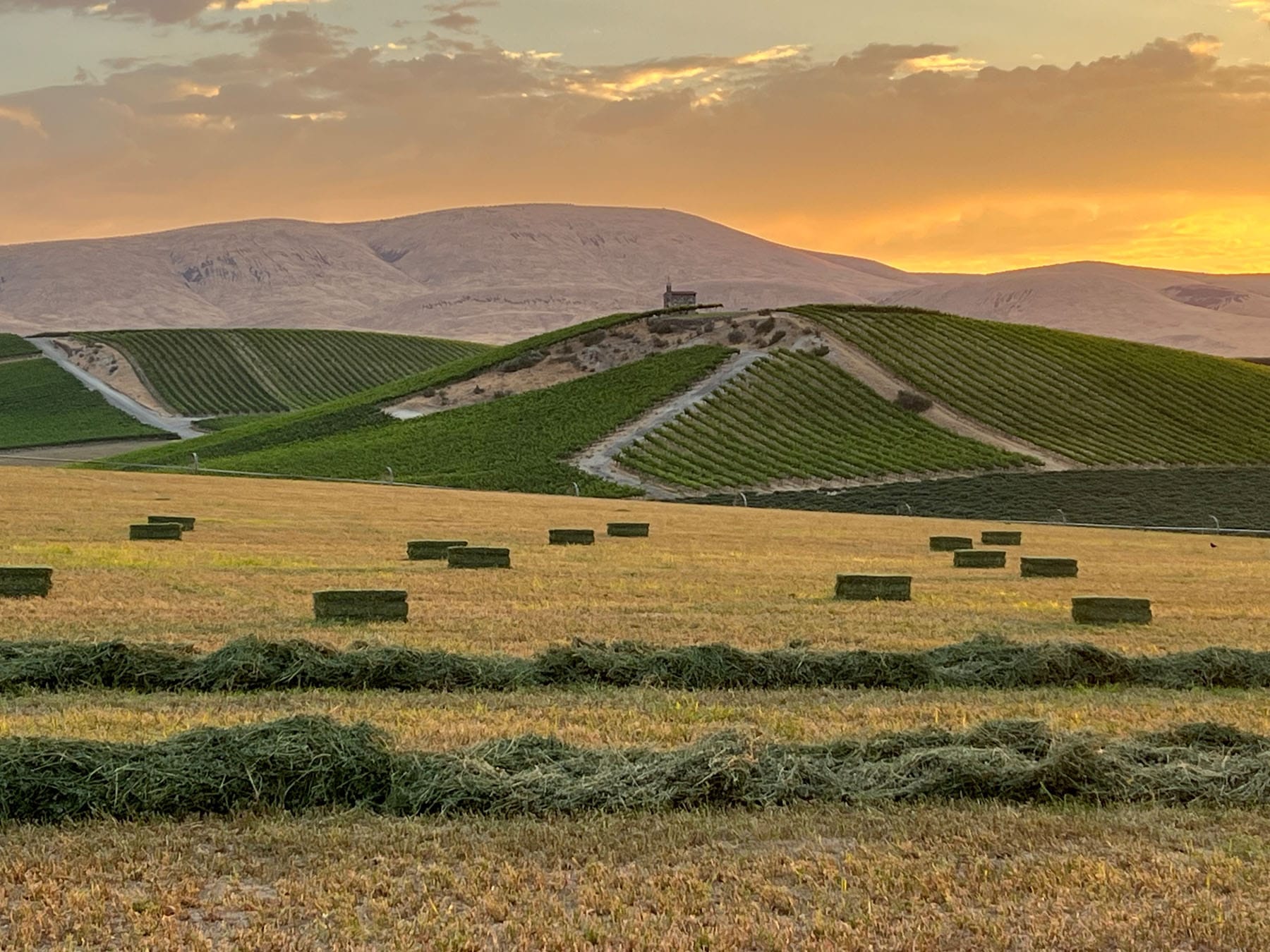
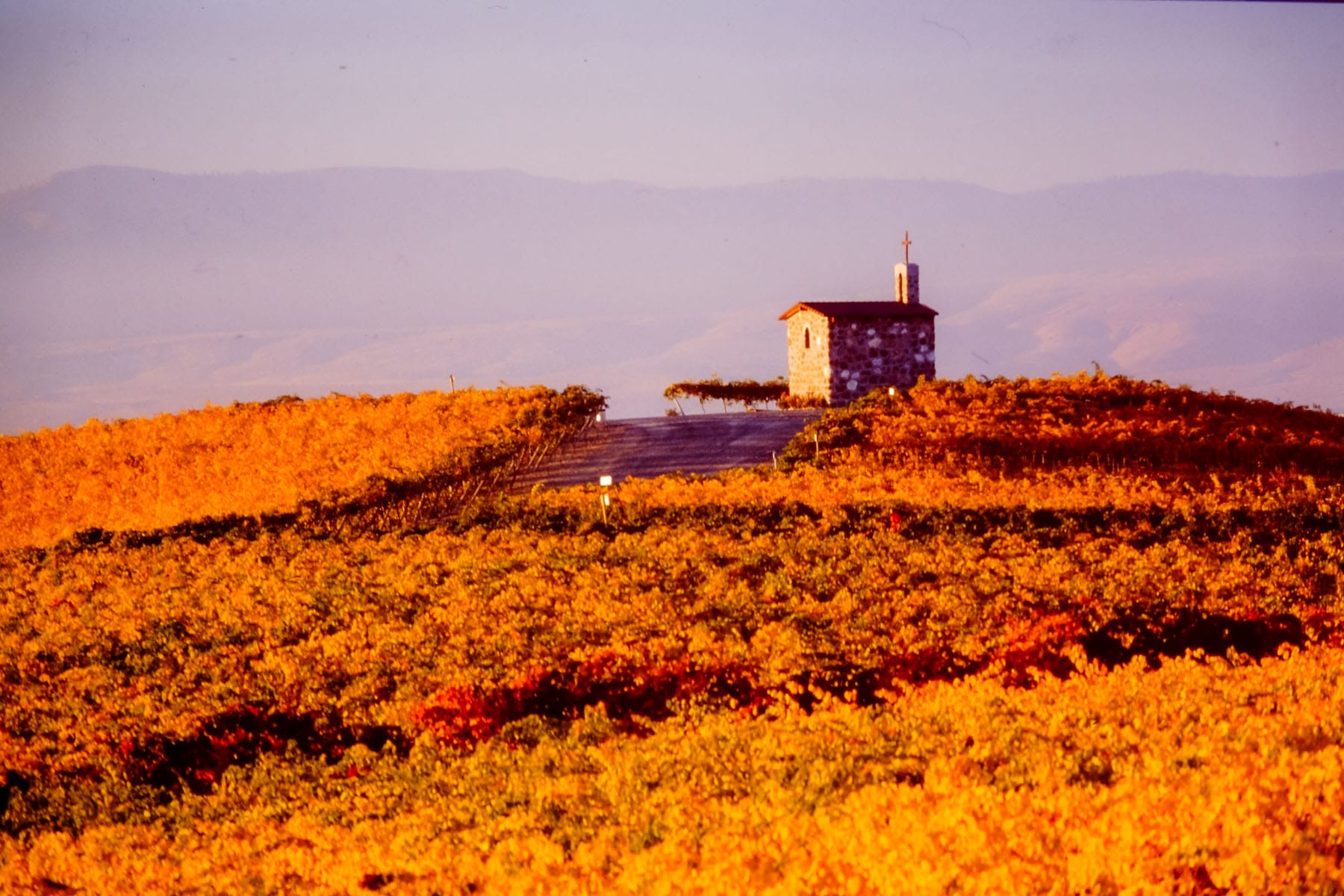
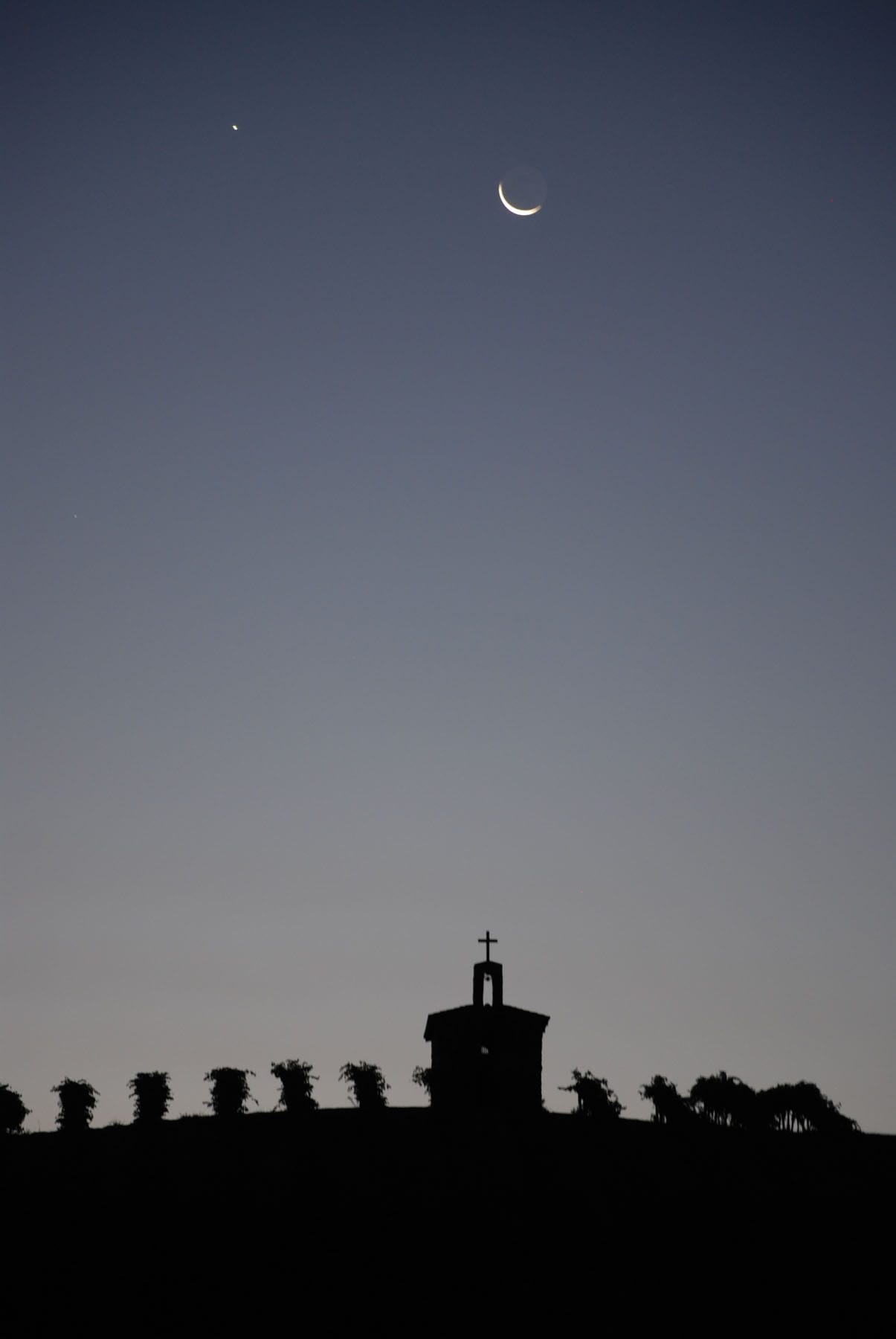
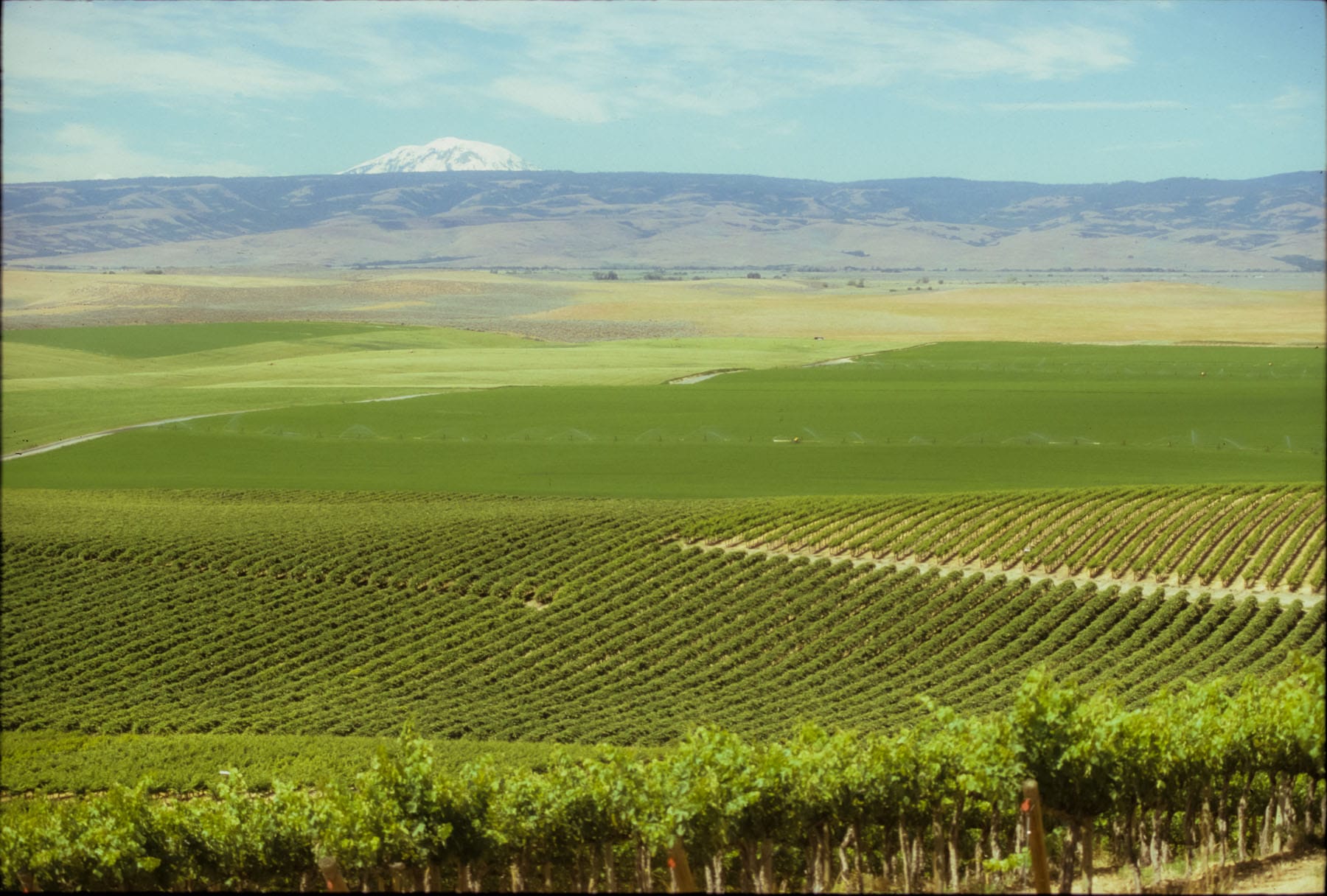
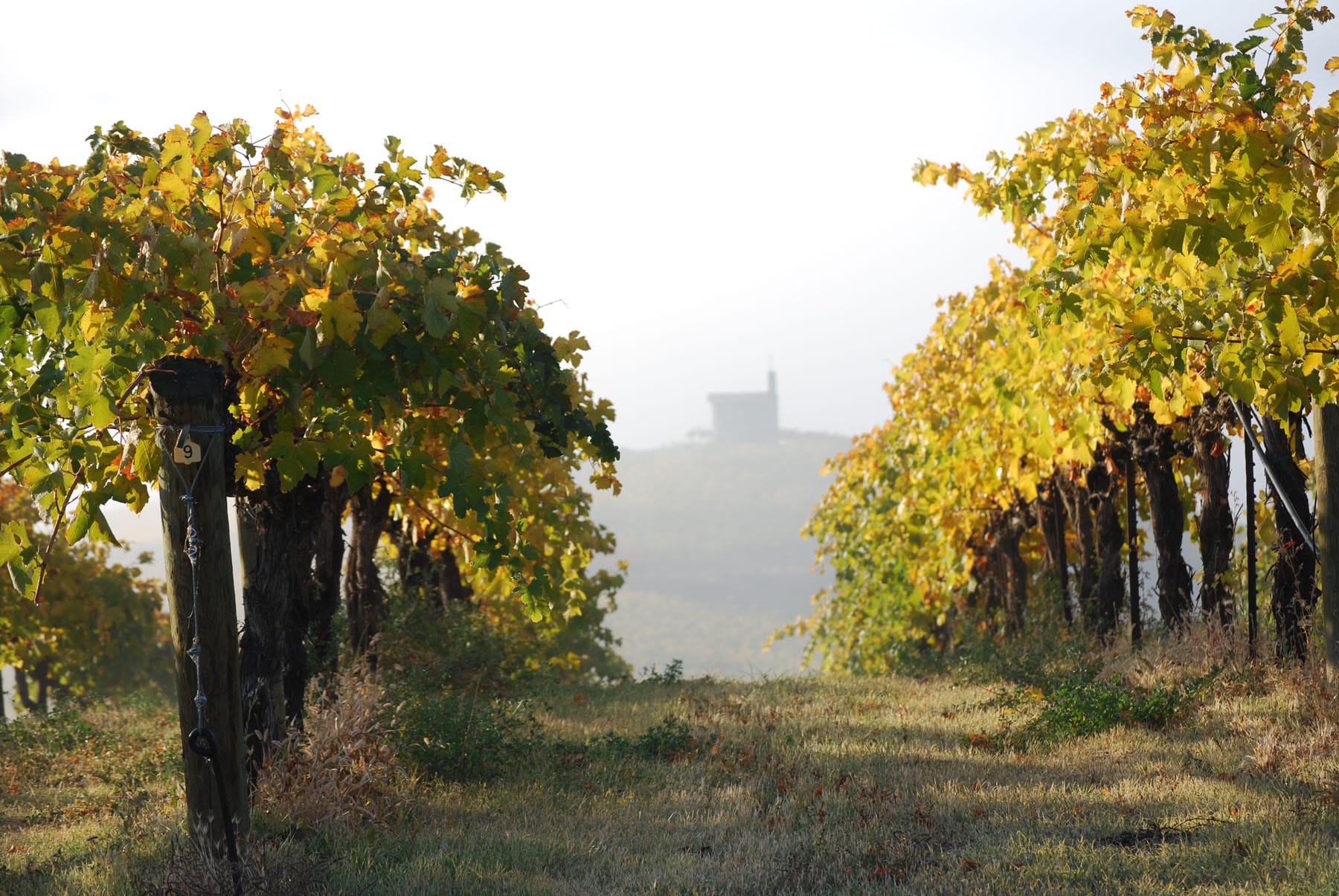
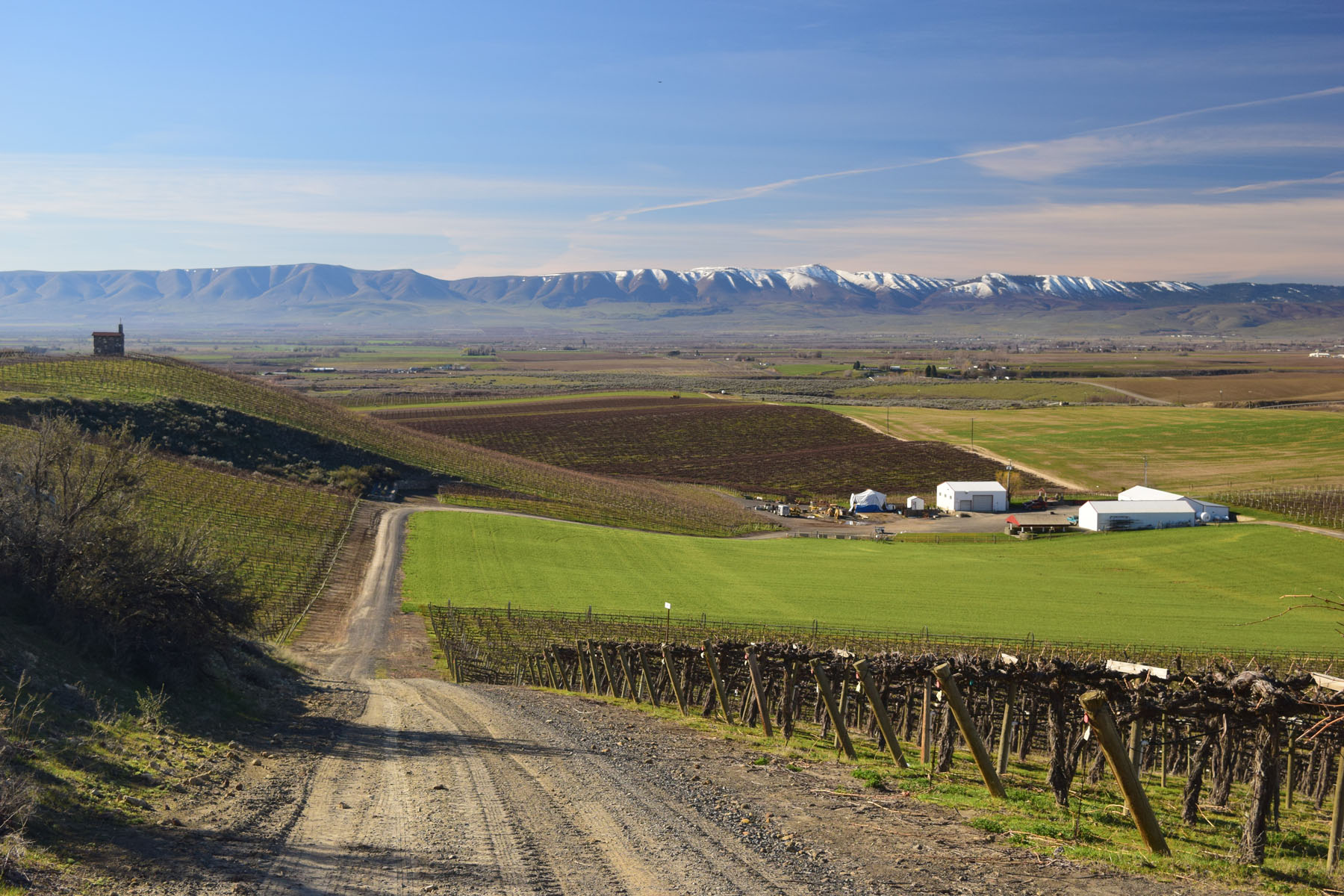
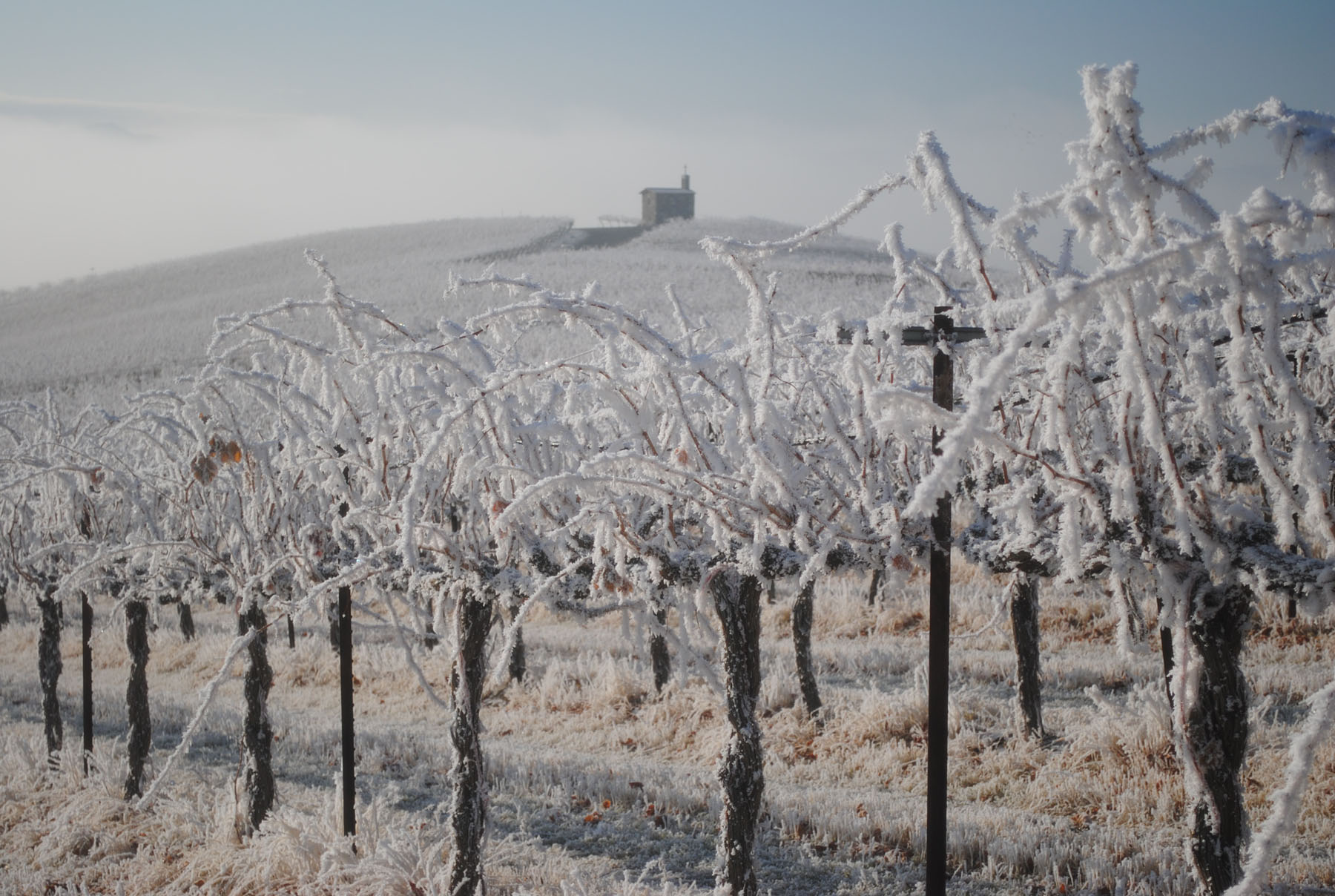
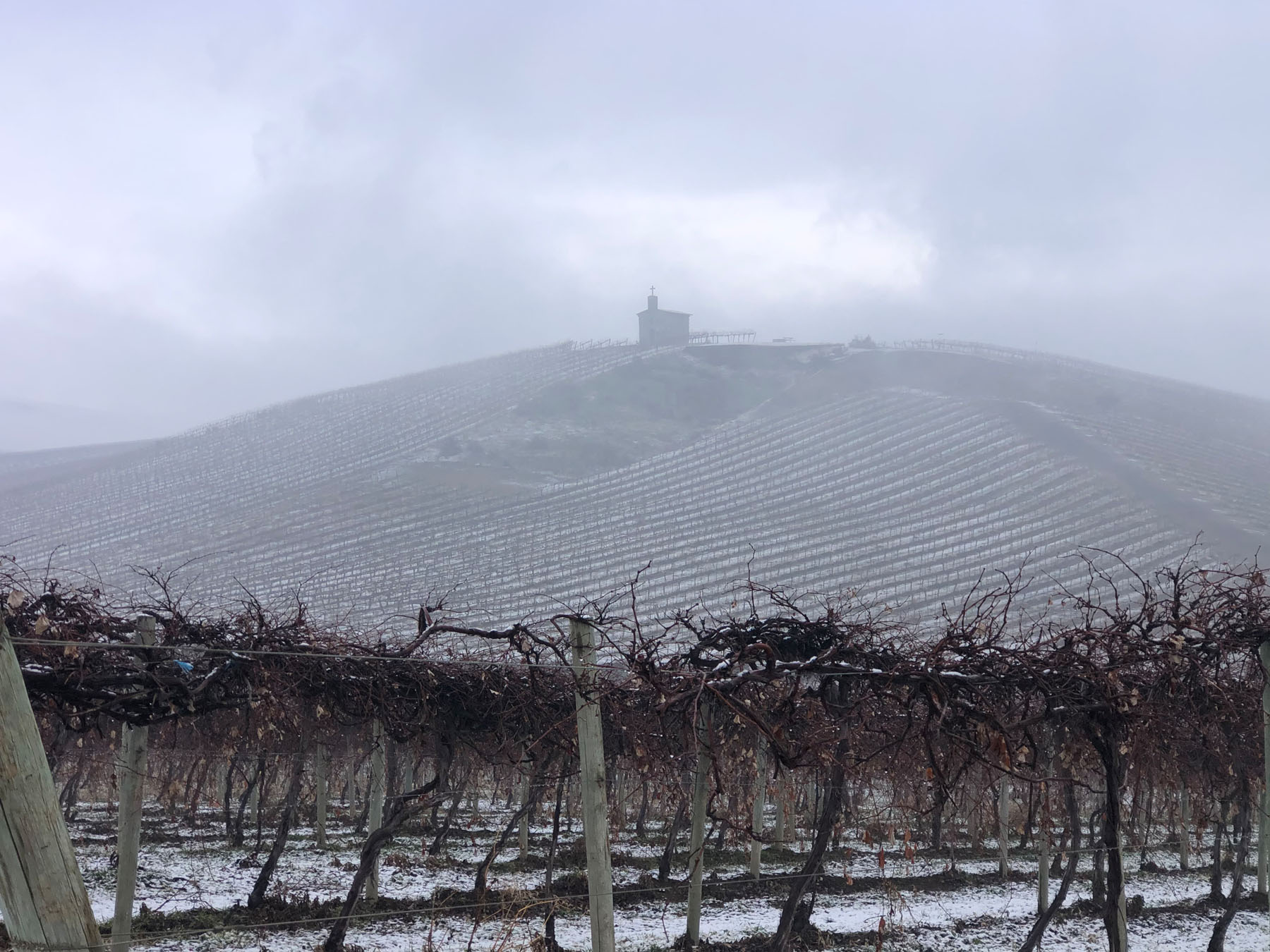
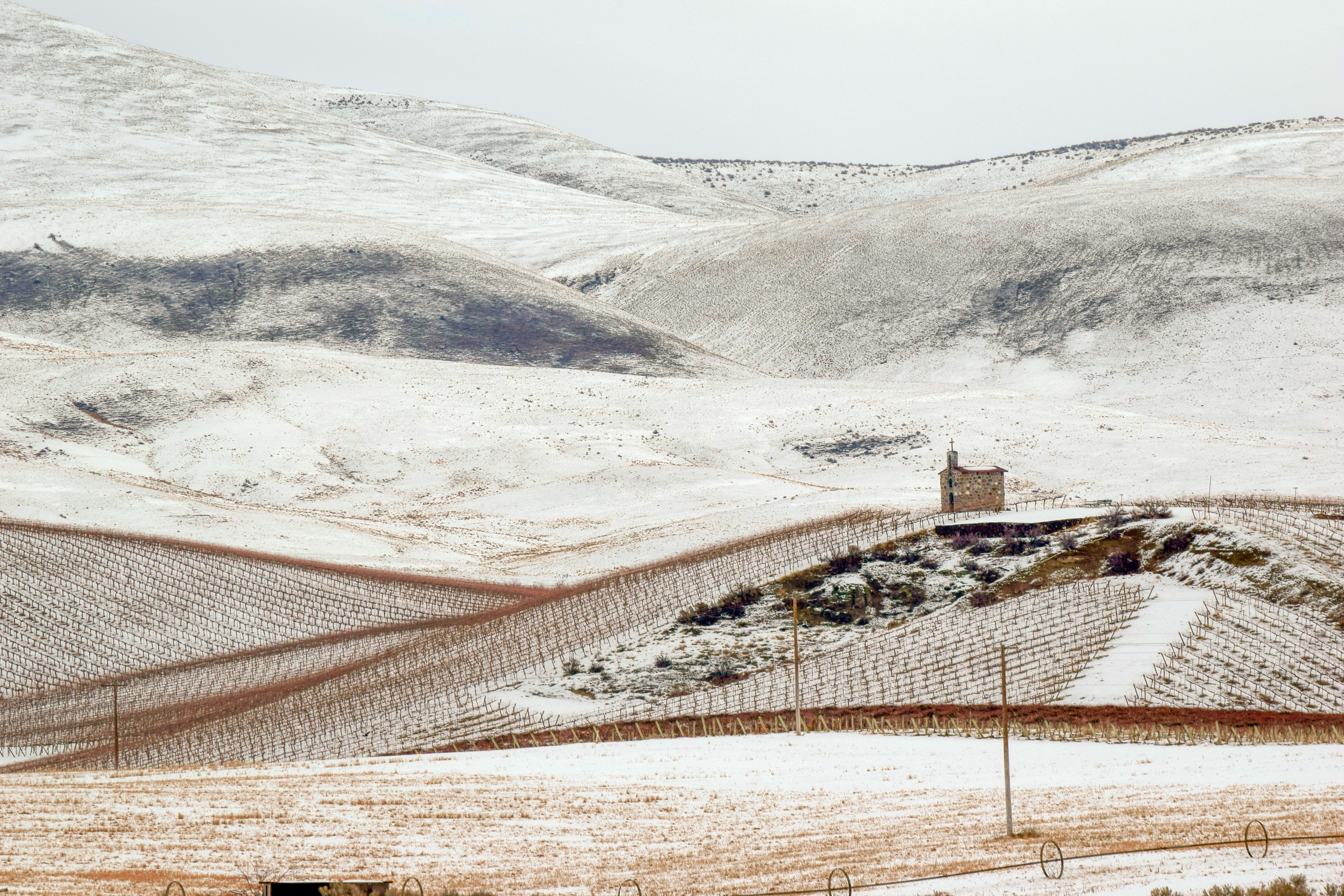
A small iconic Chapel made from stones unearthed throughout the vineyard overlooks this site. The top of the Chapel block sits around 1,250 ft.
Once a small island during the Missoula floods, the upper 2/3rds supports ancient soils developed out of virgin ground planted in 1993. East, west and south slopes each support different soil types. Underlying much of the hill is sandstone which can still be viewed in the outcroppings that were left untouched on part of the western slope. Also intermixed are river rocks likely deposited from the ancient flows of the Columbia river.
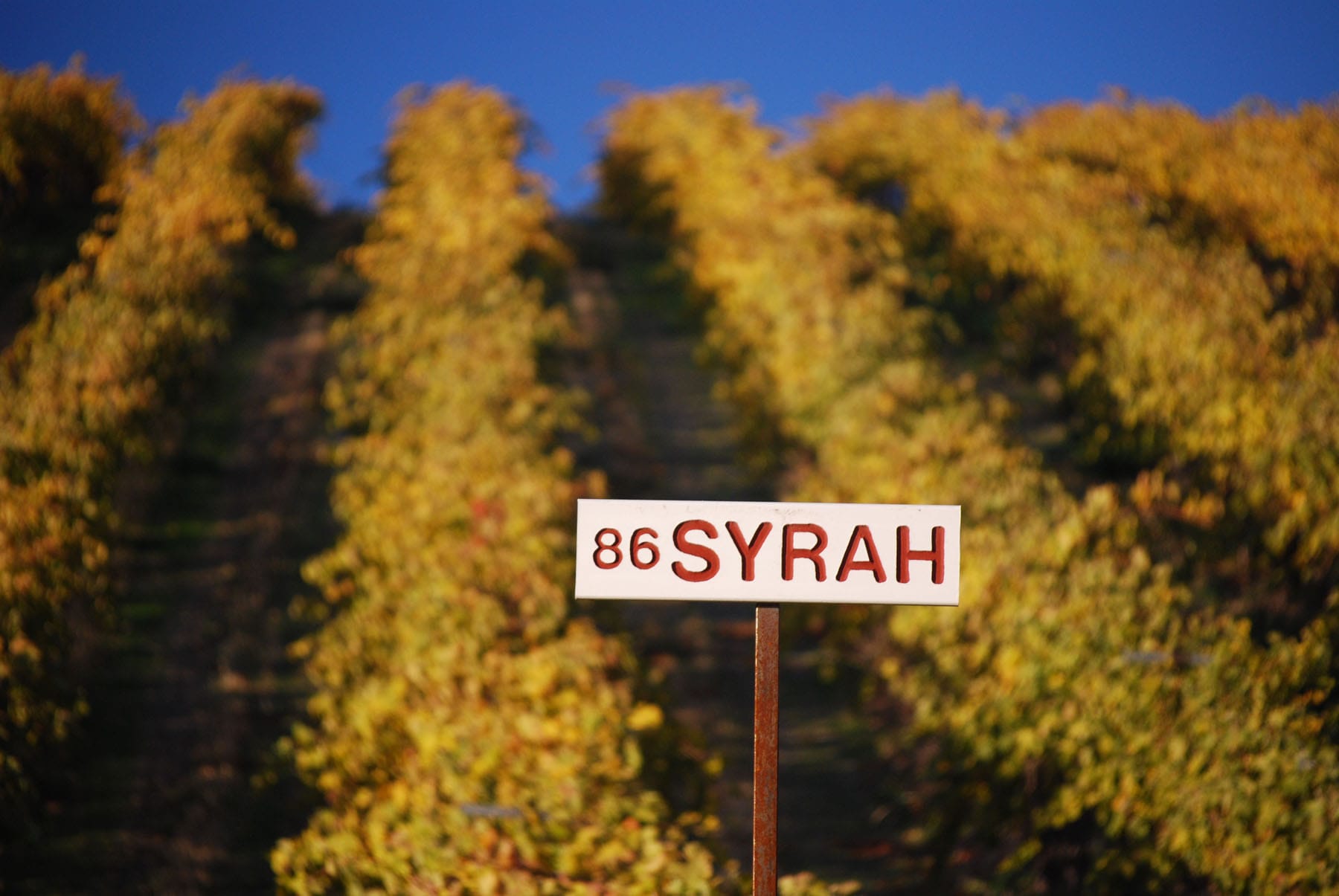
The western hills tend to have shallow rocky soils with a small amount of clay content throughout. Eastern slopes are deeper soils largely comprised of wind-blown loess with more concentrations of sand and silt. The south, being the steepest and hottest of all blocks, has a mixture of east/west soil types. This picturesque site is planted to Syrah, Merlot, Sangiovese, Malbec and Viognier.
LES VIGNES DE MARCOUX
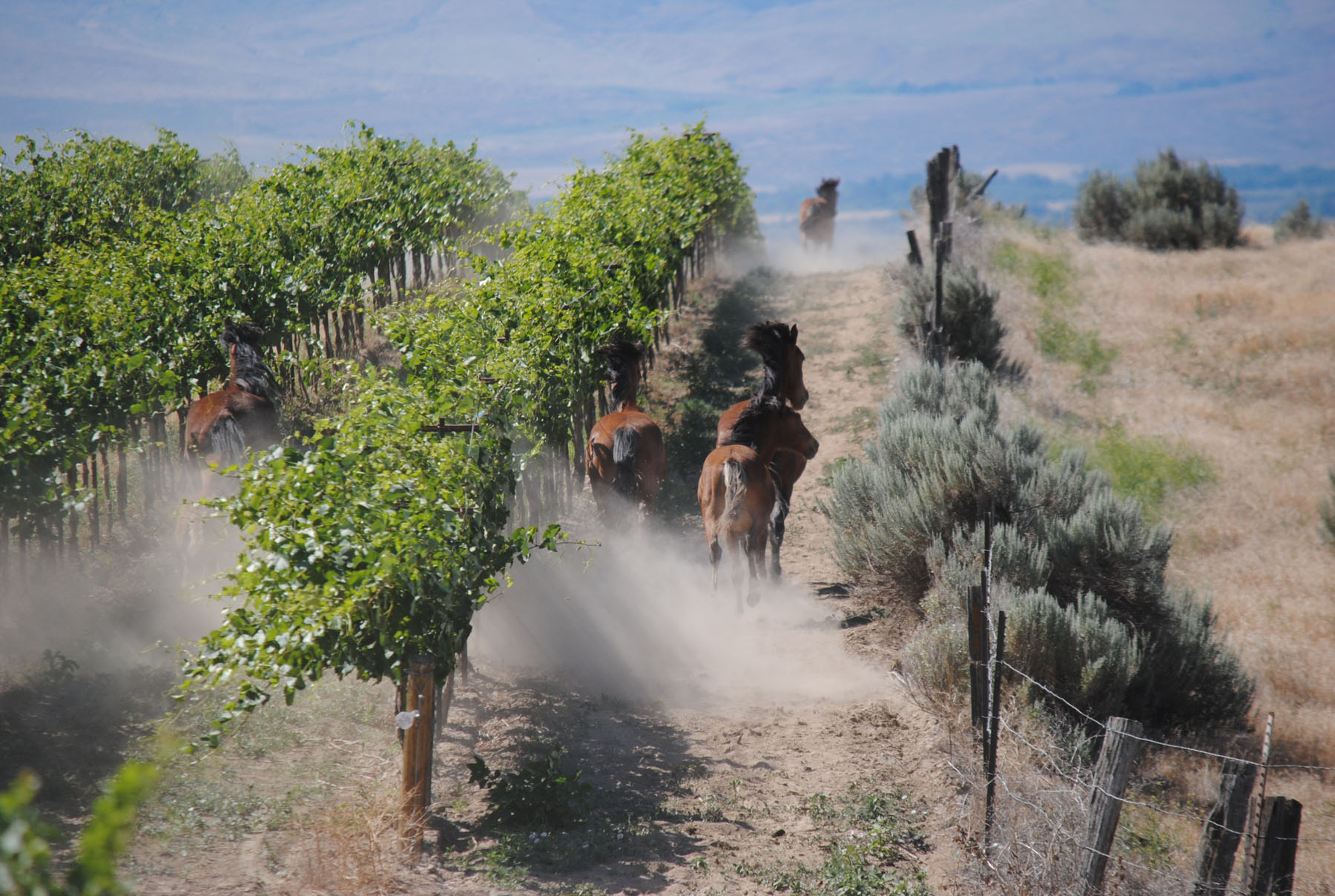
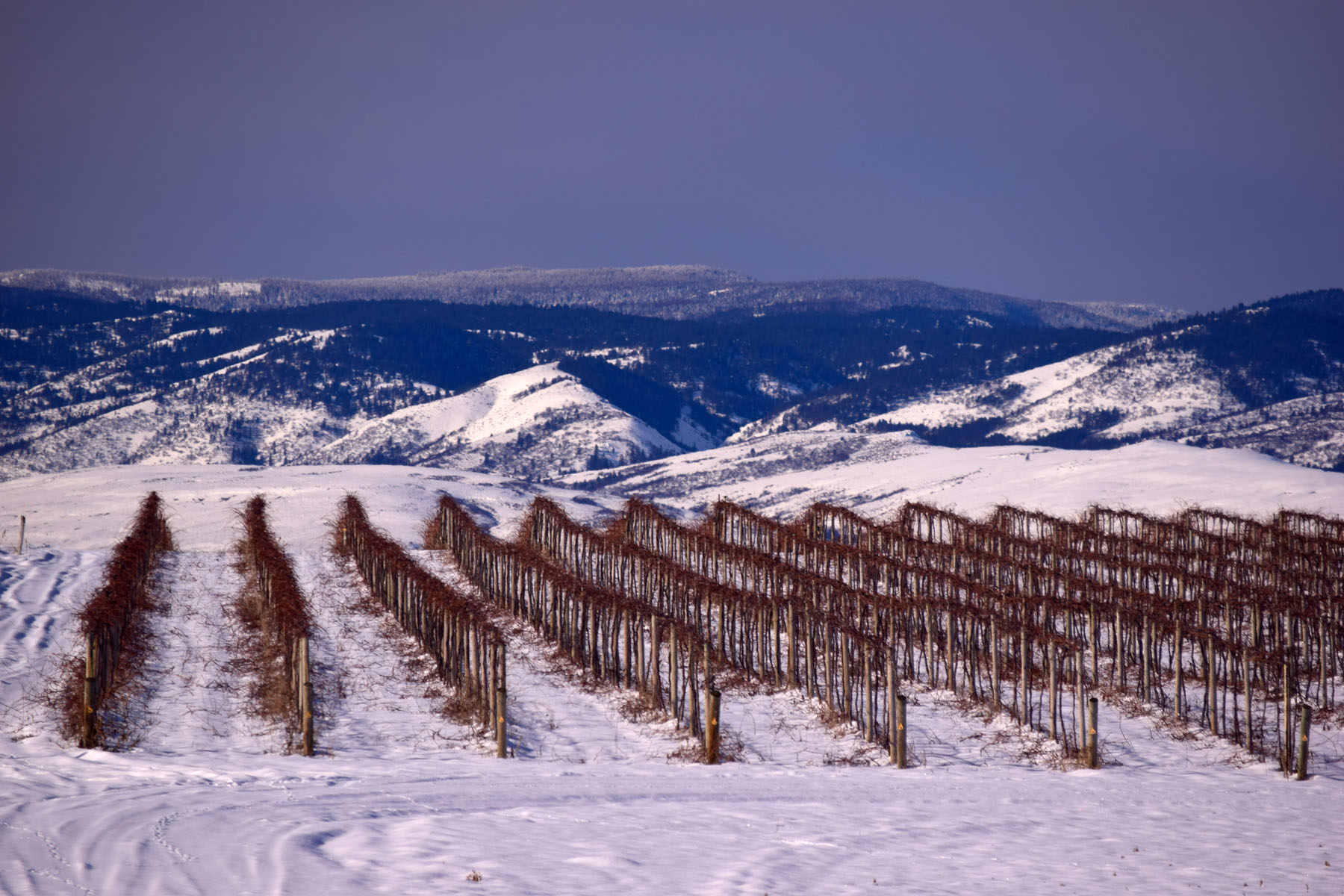
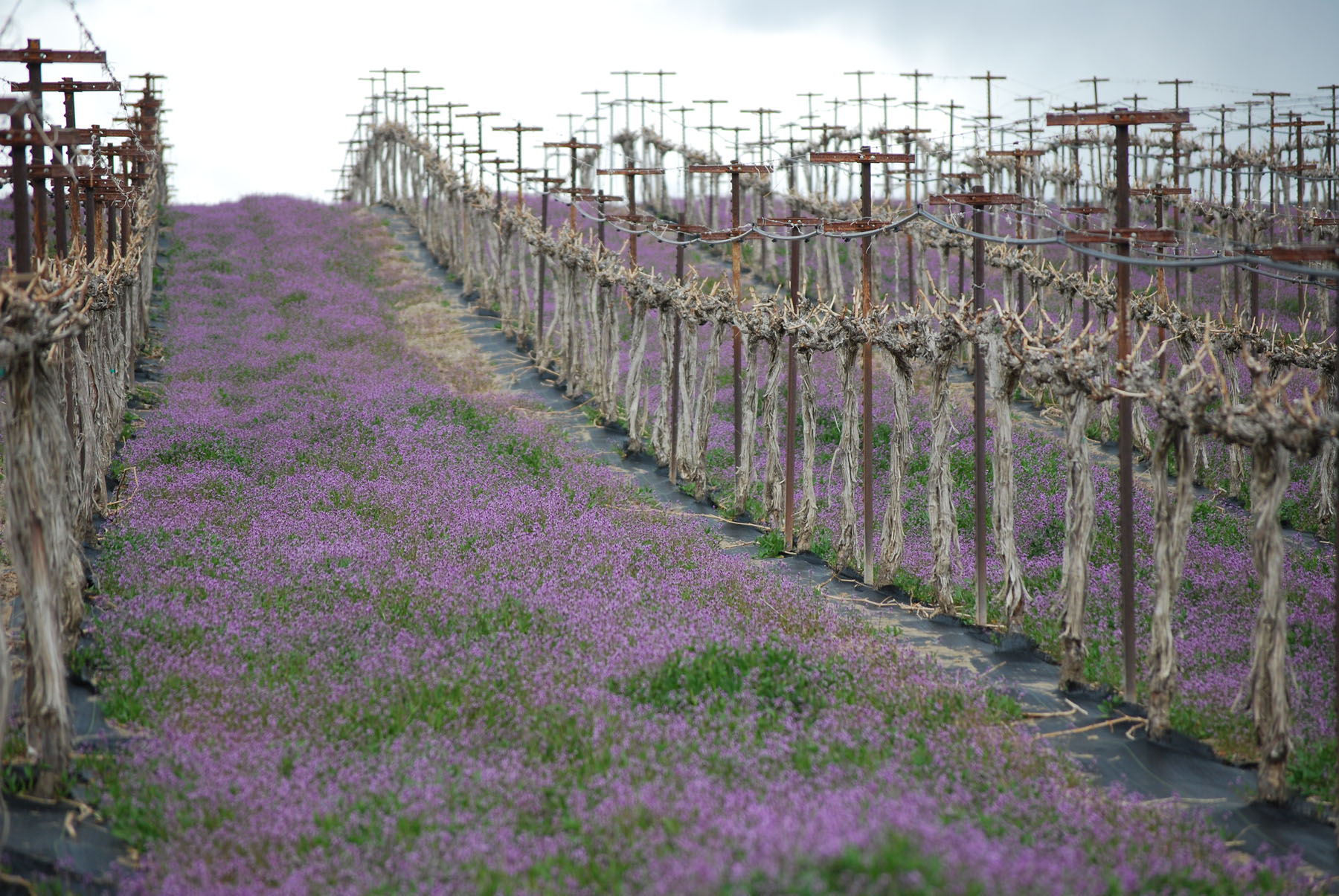
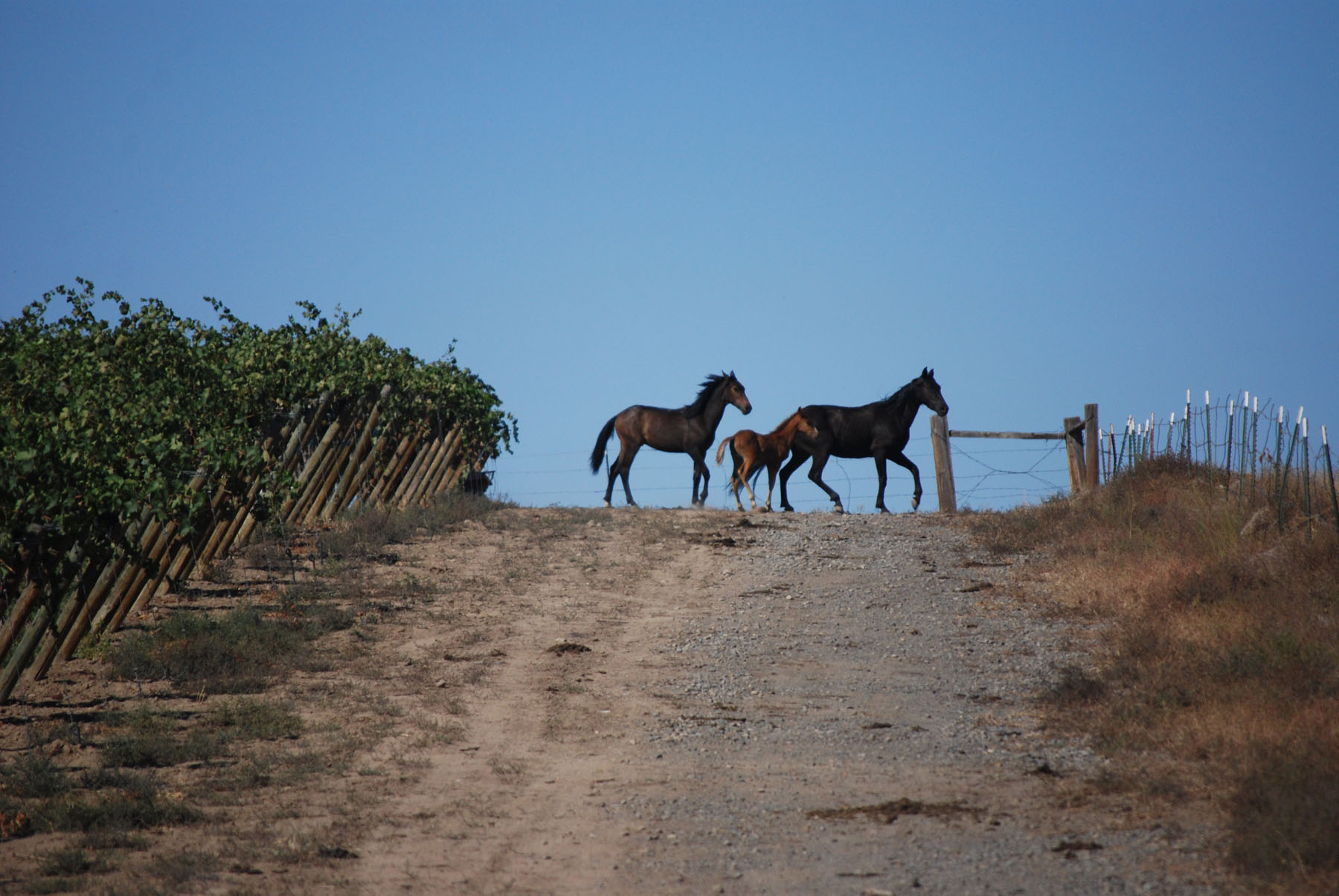
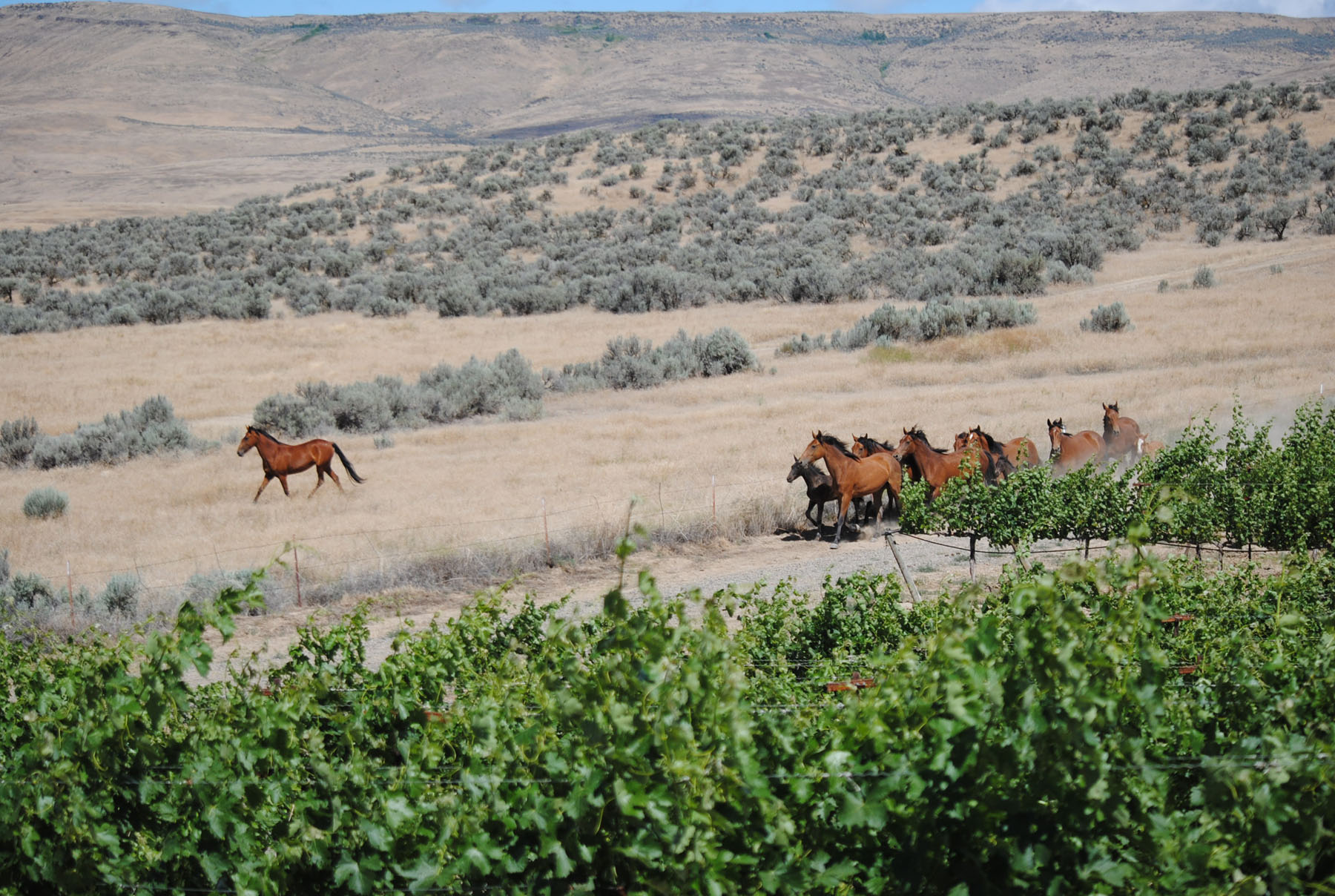
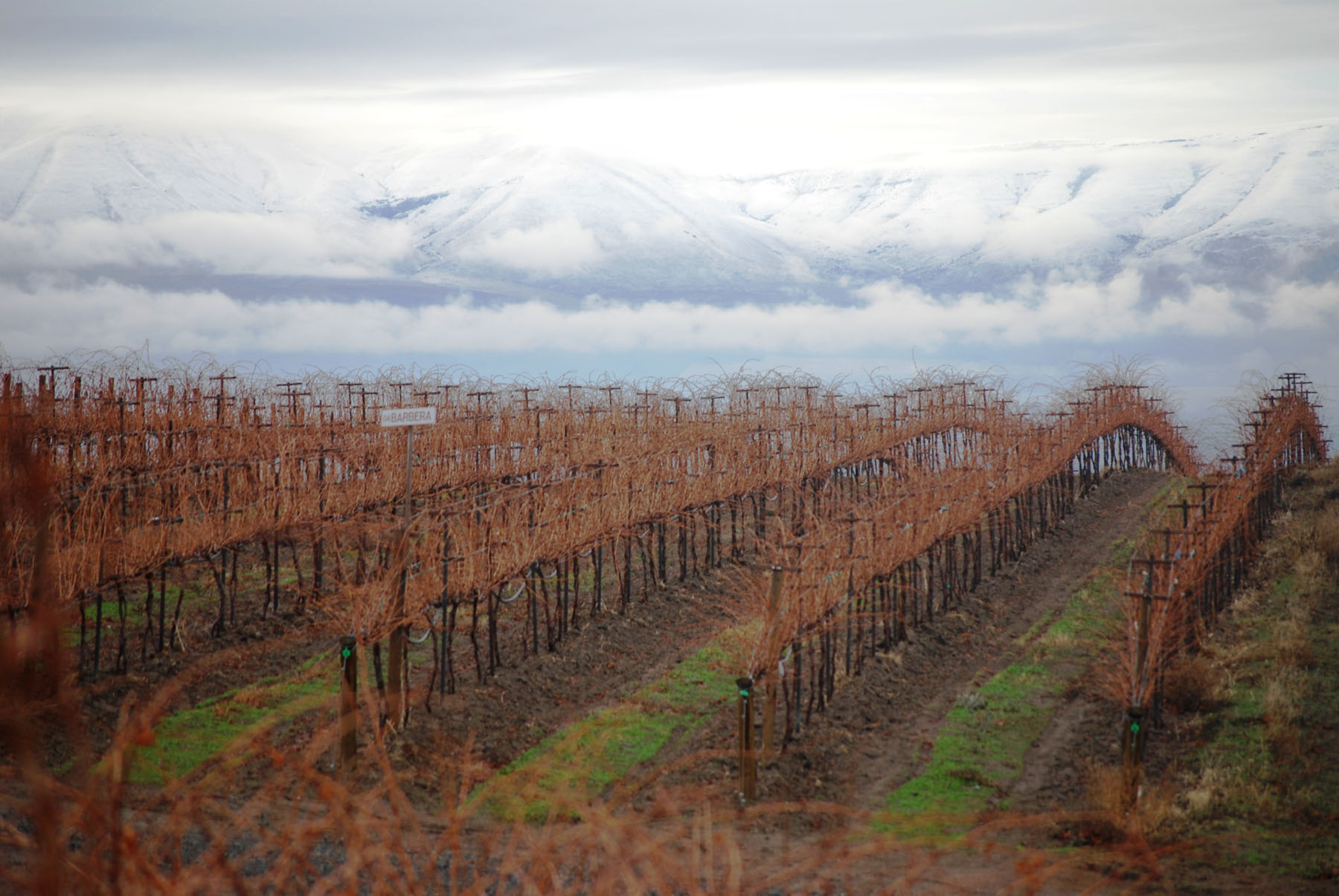
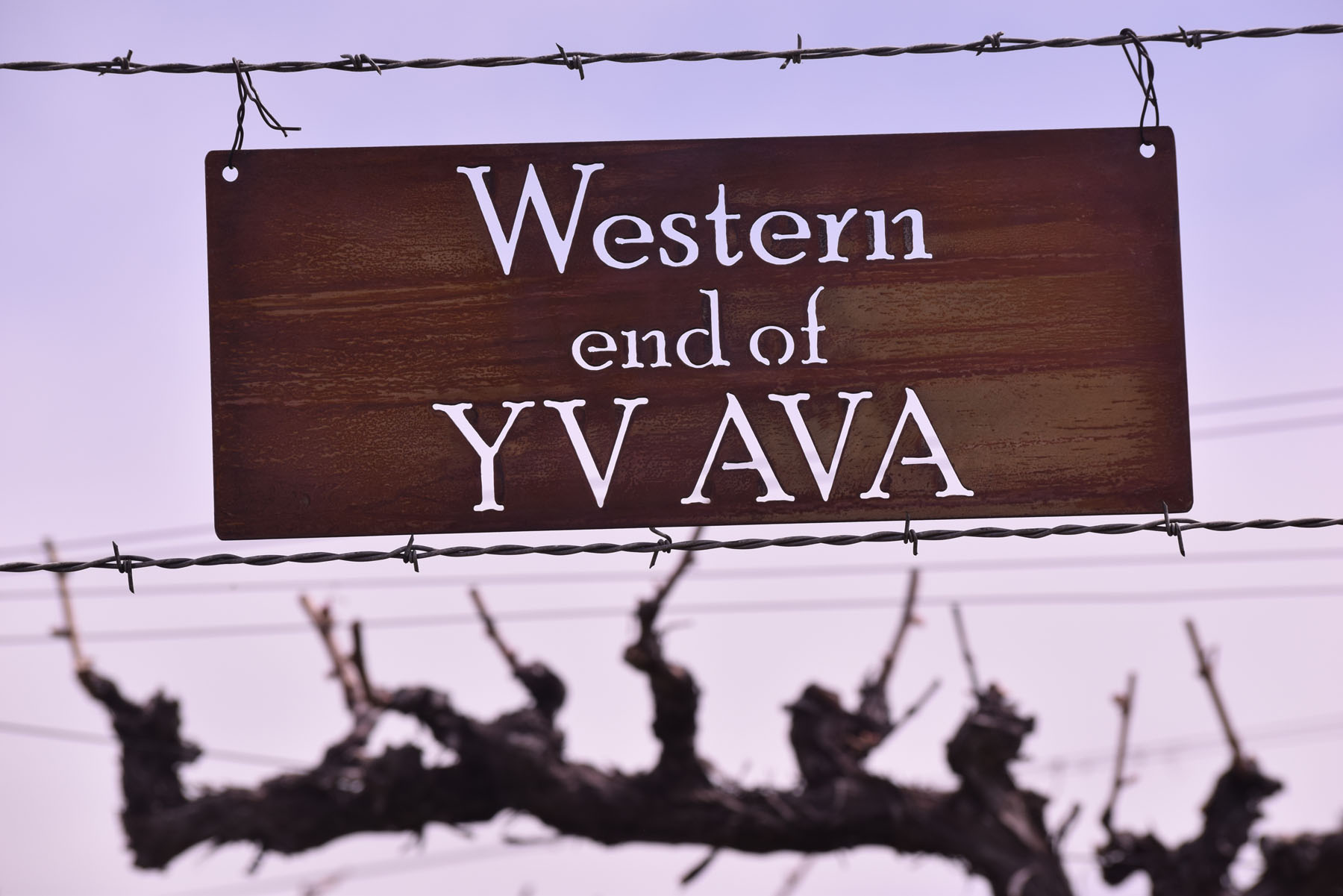
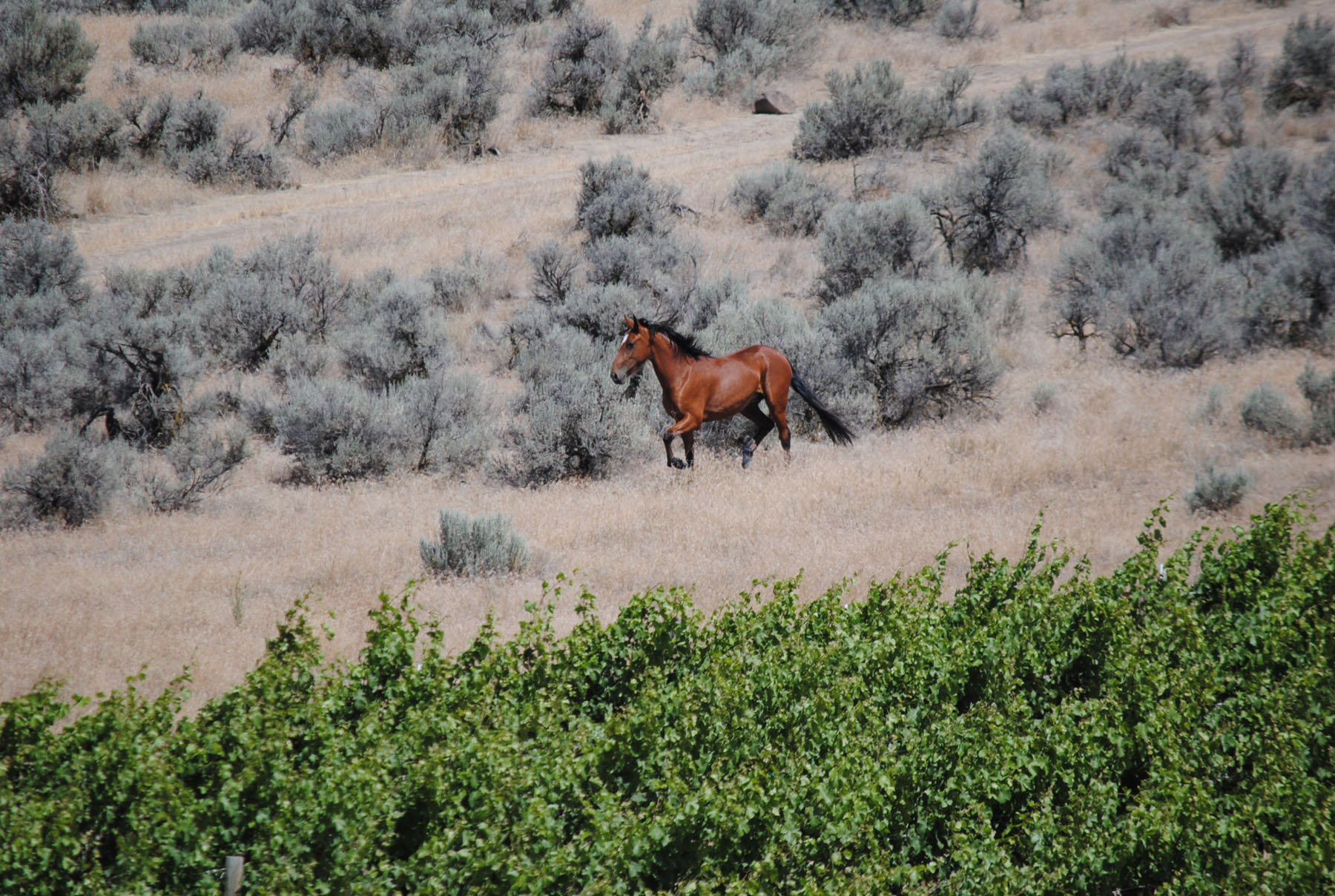
Marcoux is the maiden name of Mike Sauer’s mother. The Marcoux block is the furthest western block of grapes within the Yakima Valley AVA.
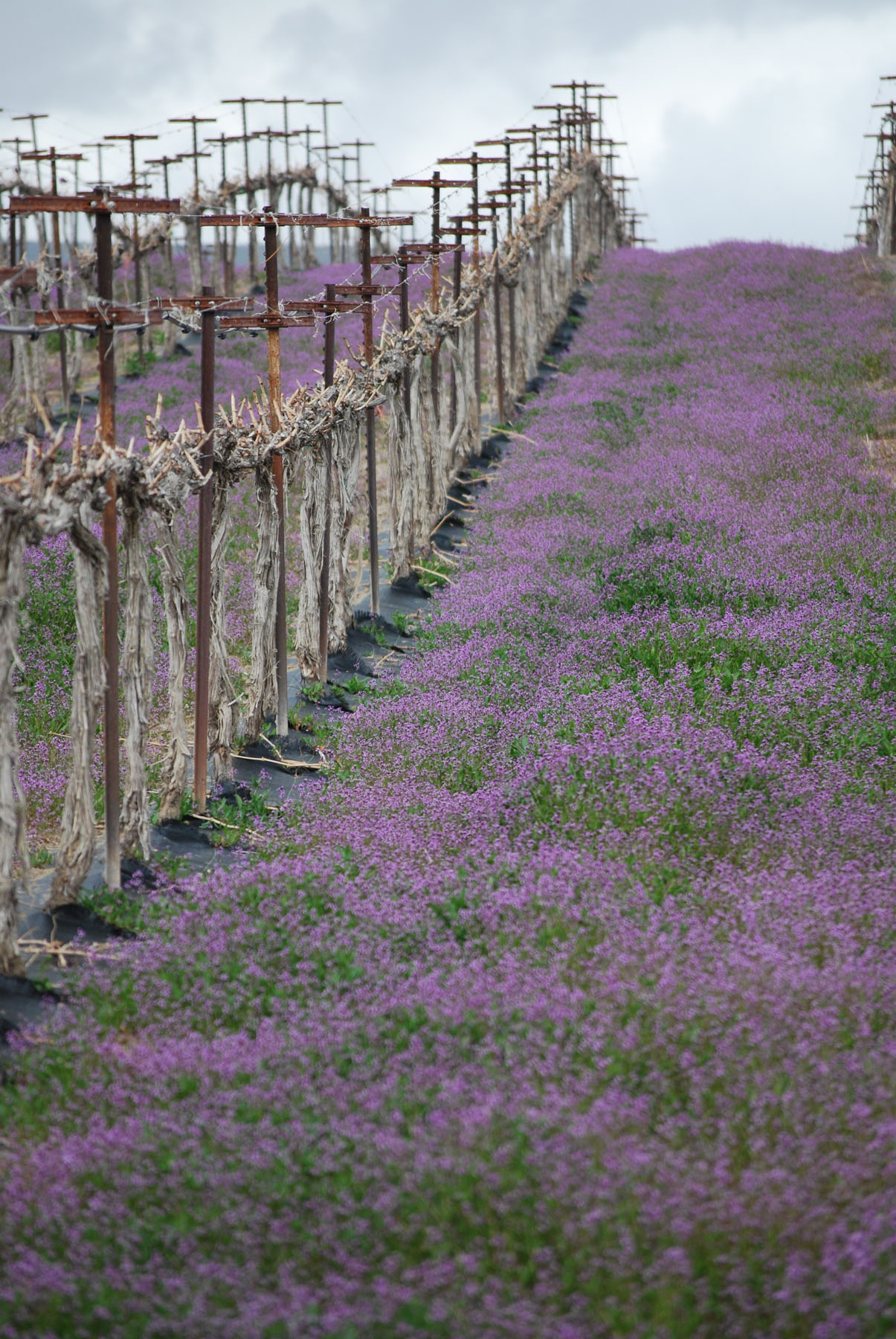
Nearly a full mile west of the Chapel, the valley gradually rises putting it between 1100–1300 ft. elevation. A gentle south-east facing slope flows throughout most of the 60-acre block. Soils are classified as a Warden sandy loam.
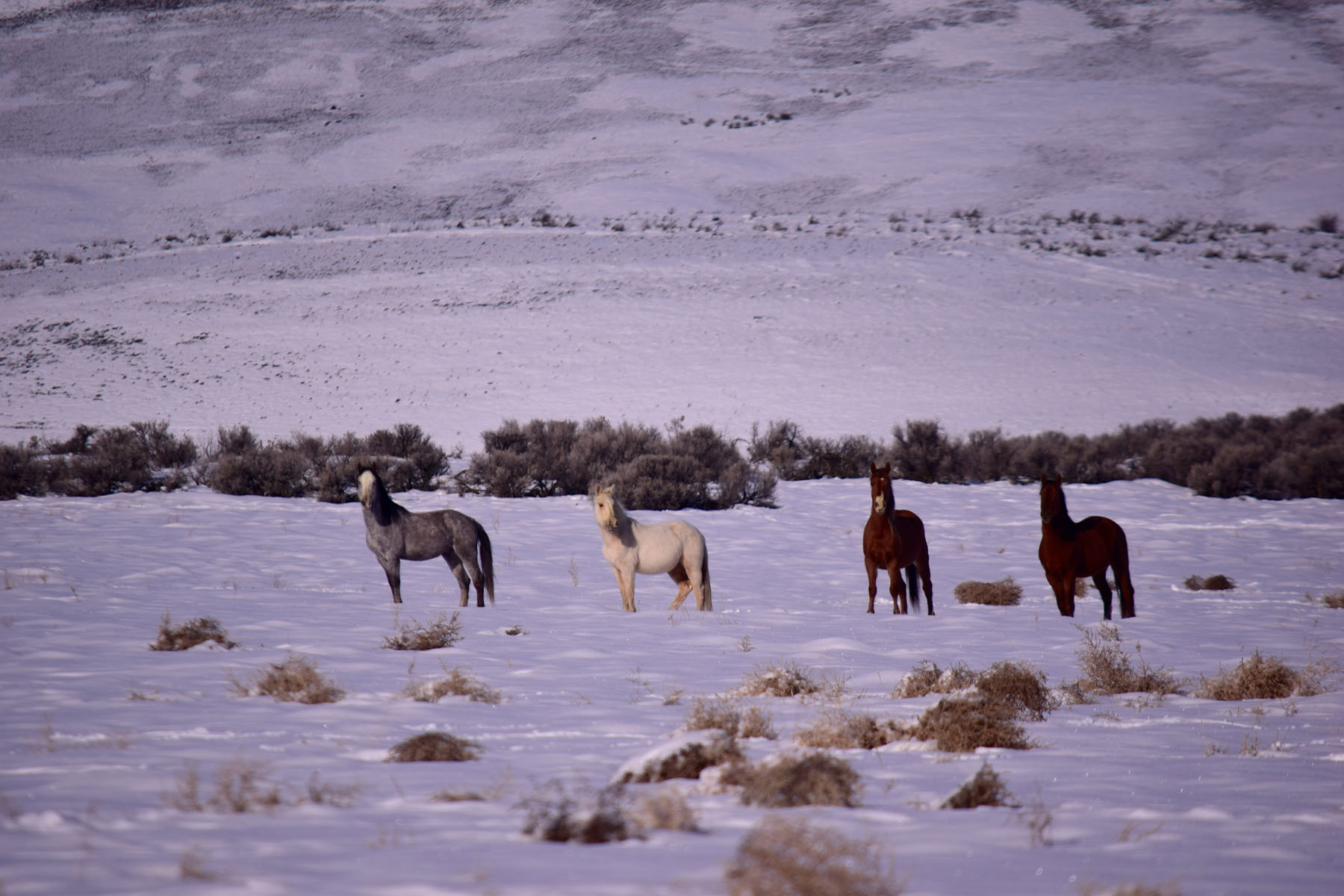
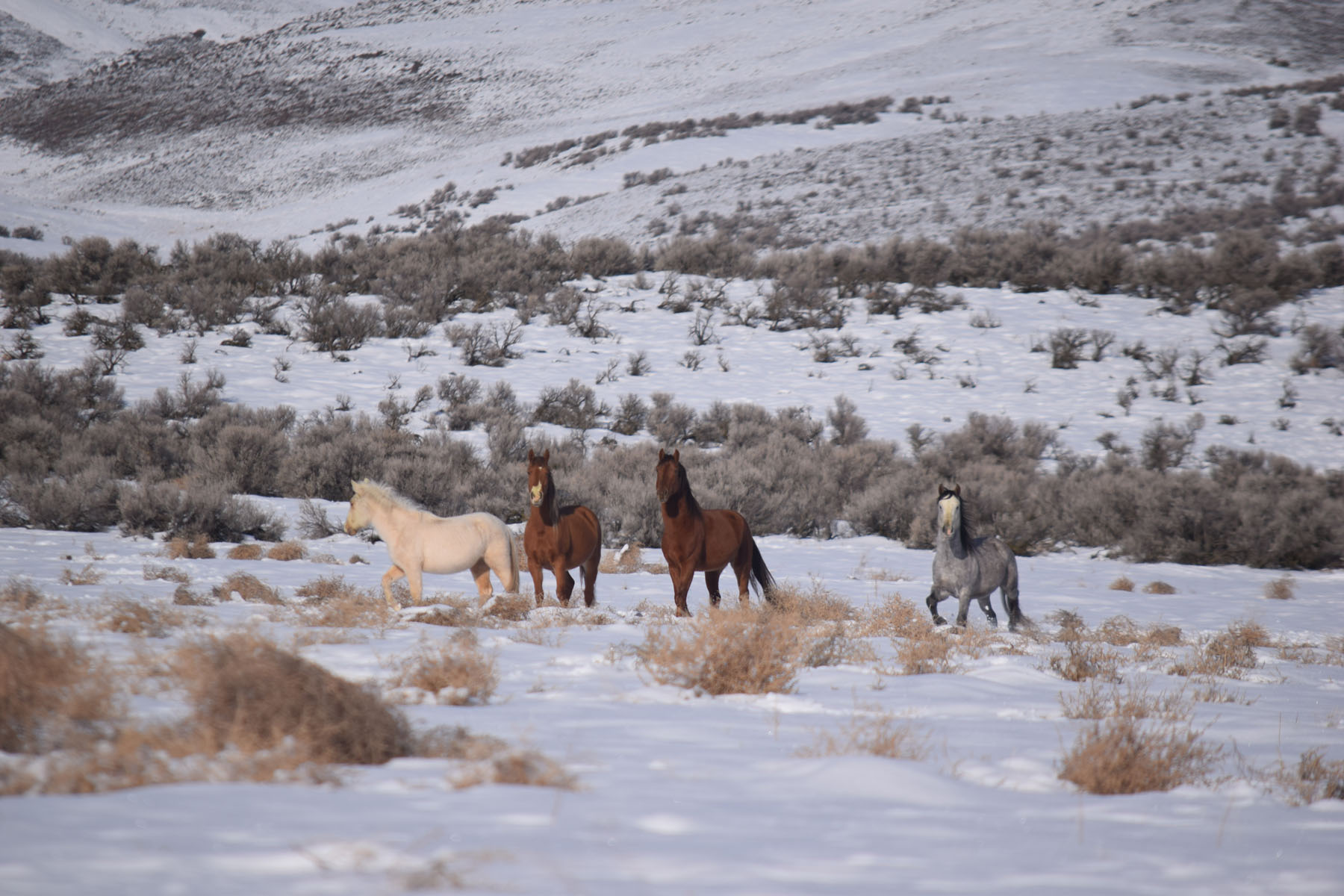
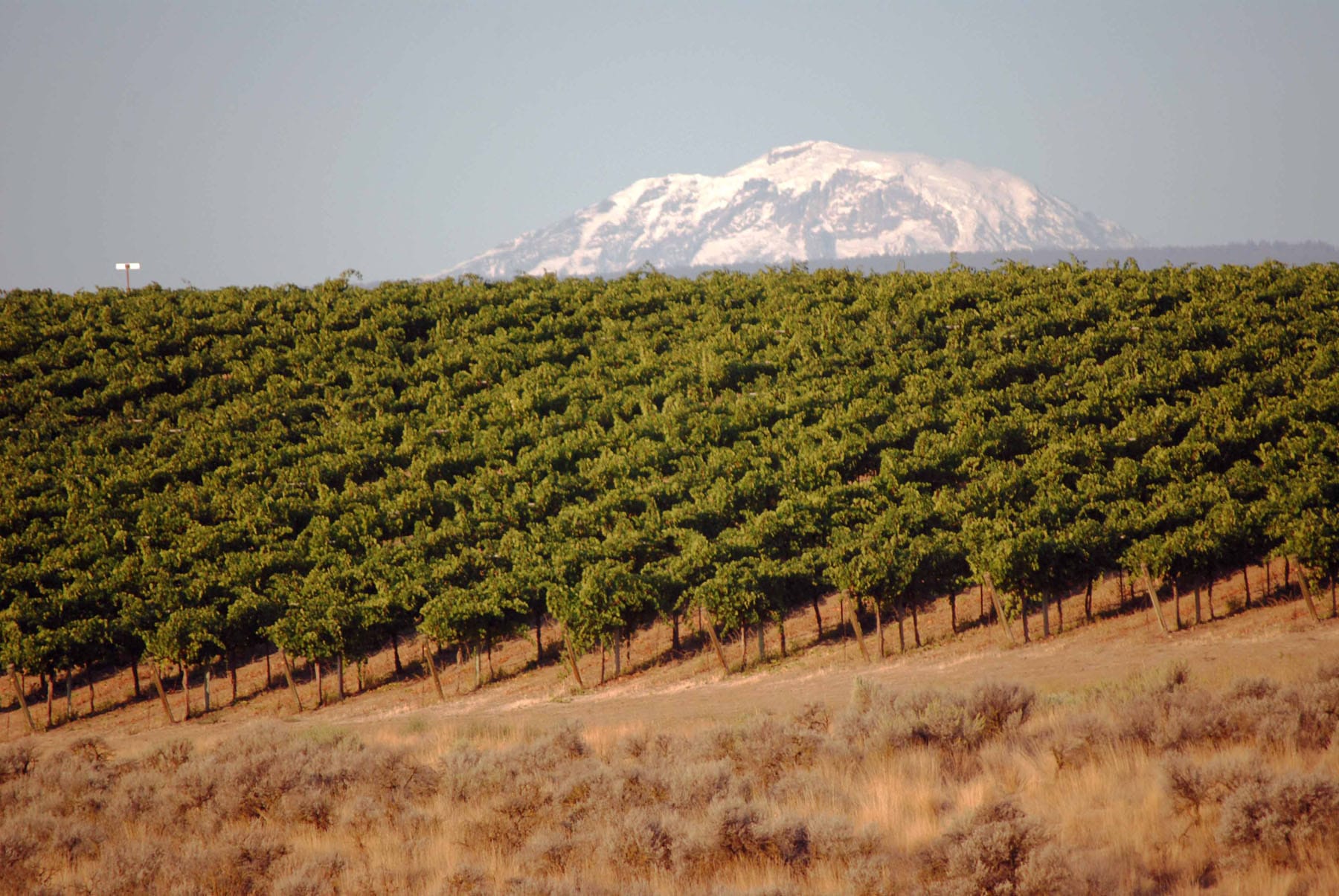
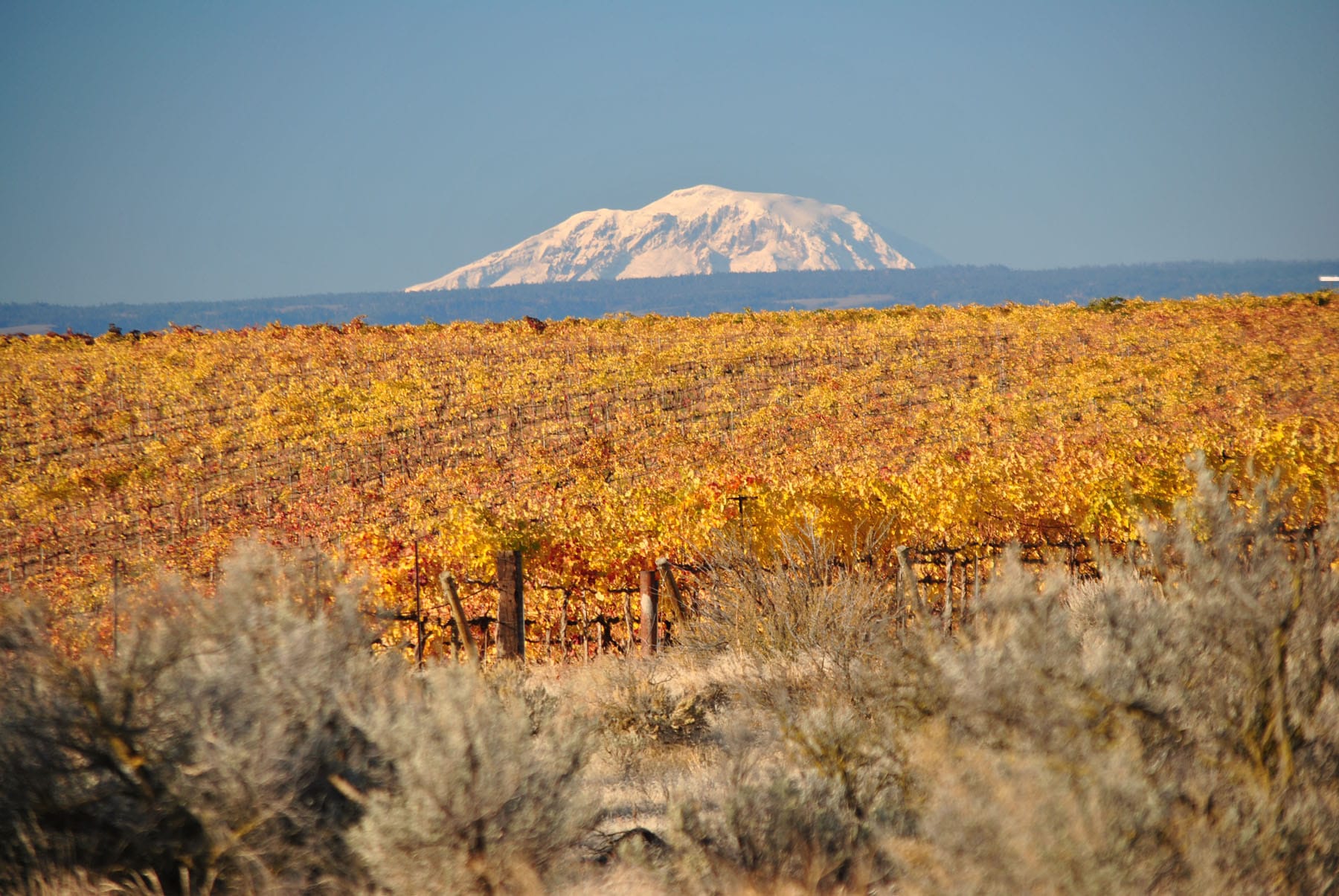
Les Vignes de (the vines of) Marcoux, bordered for miles by desert sage and cattle range, has a rustic, western feel. Occasional herds of wild mustangs, roaming coyotes, and range cattle are part of the landscape. Ahtanum Ridge, the foothills of the Cascades, and the top of snow-capped Mt. Adams are prominent features viewed from Marcoux.
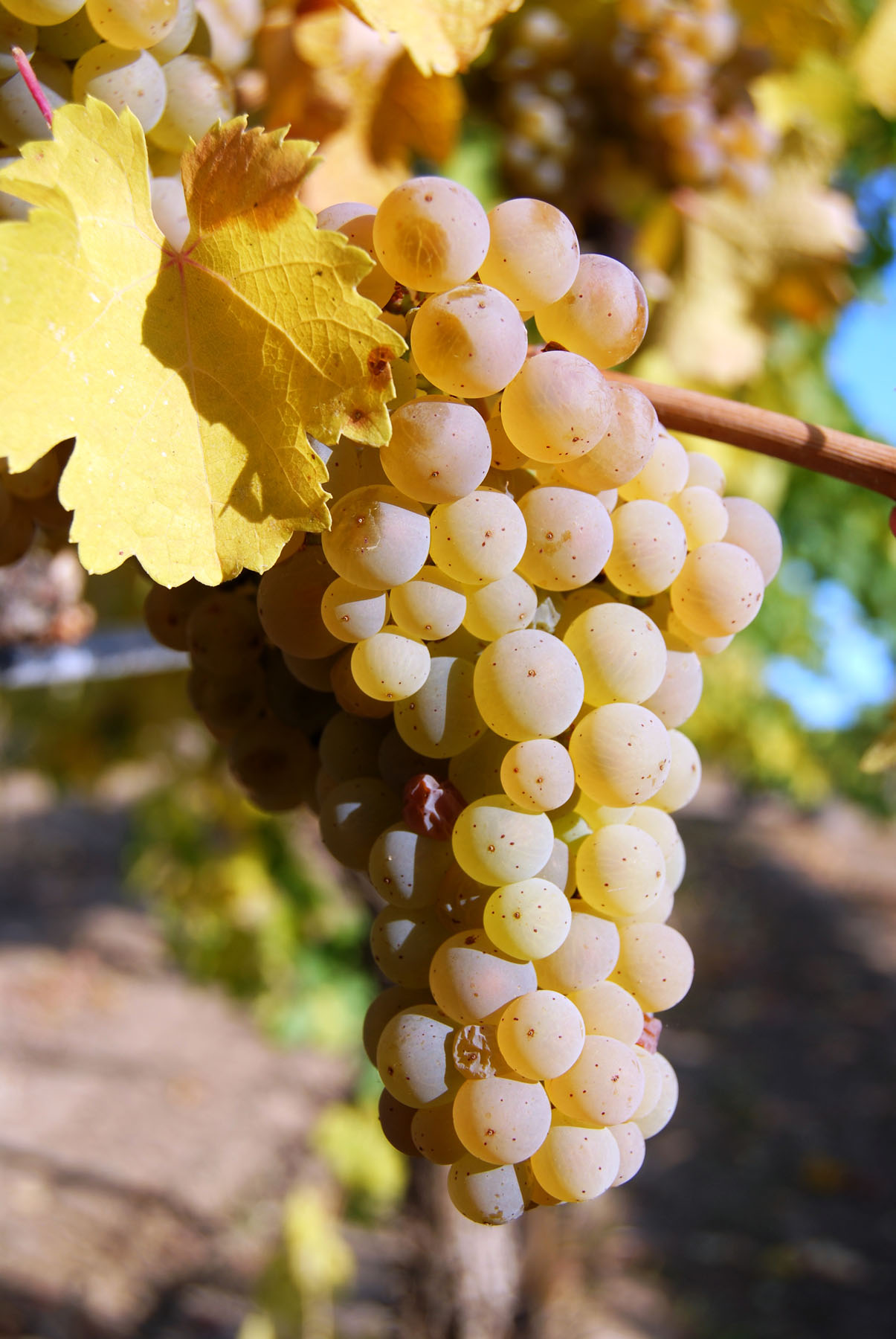
The block was first planted with 40 acres of Riesling and Gewürztraminer in 1982. Gradually, the Riesling and Gewürz acreage has mostly been replaced with Merlot, Cab Franc, Syrah, Sangiovese, Barbera, Sauvignon Blanc, Touriga National, Dolcetto, and in 2012 plantings included new clones of Cab Sauv and Malbec.
OLNEY SPRINGS
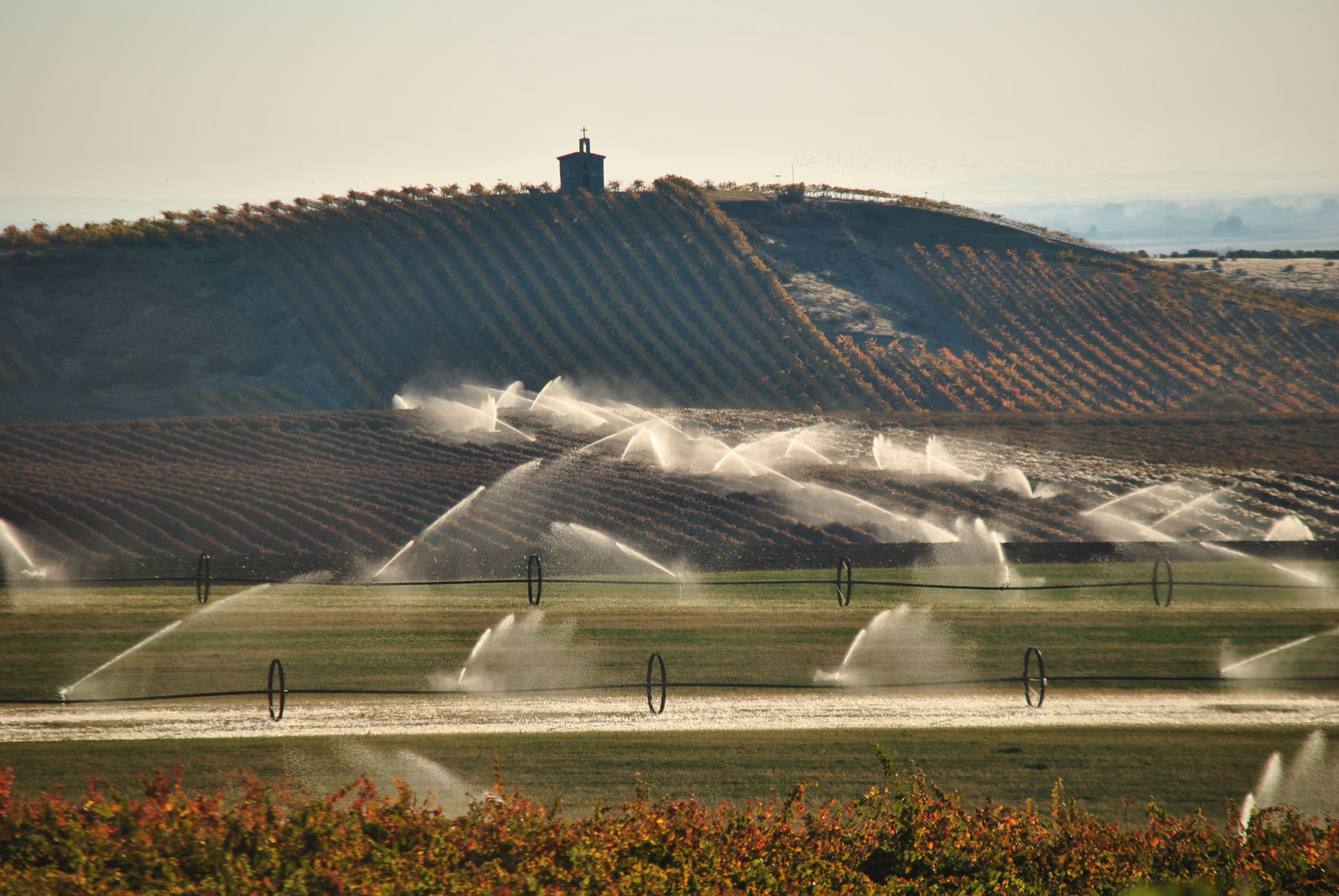
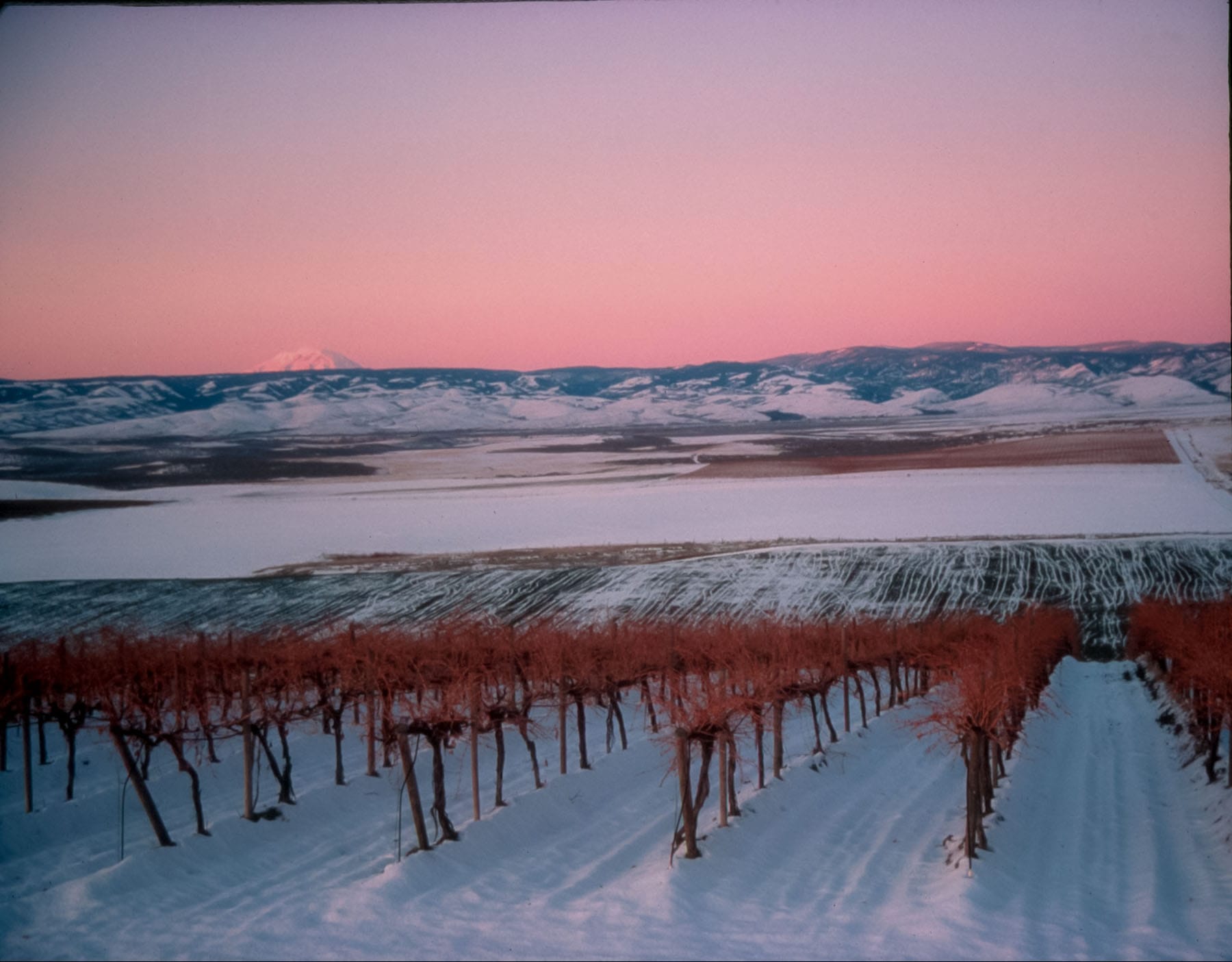
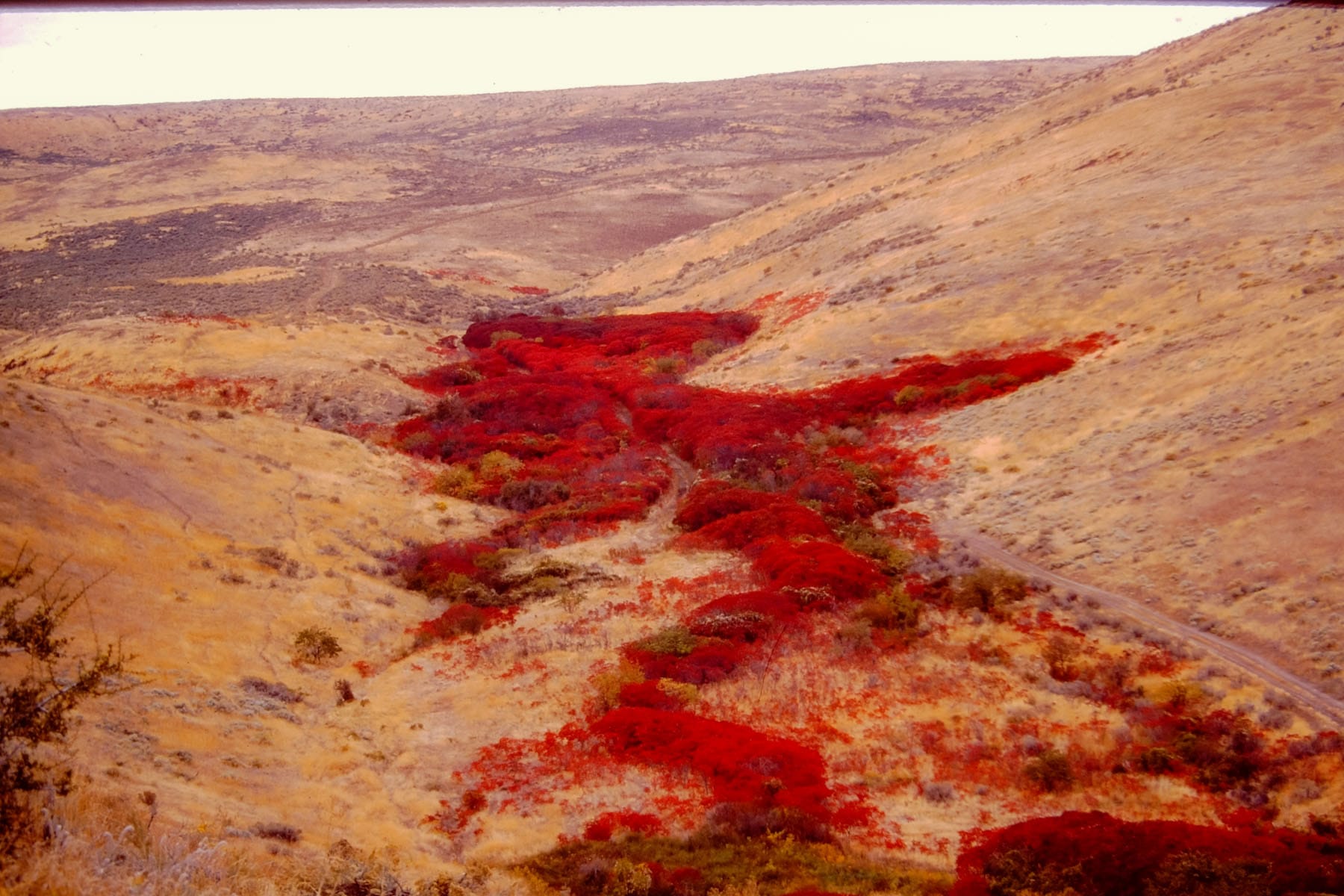
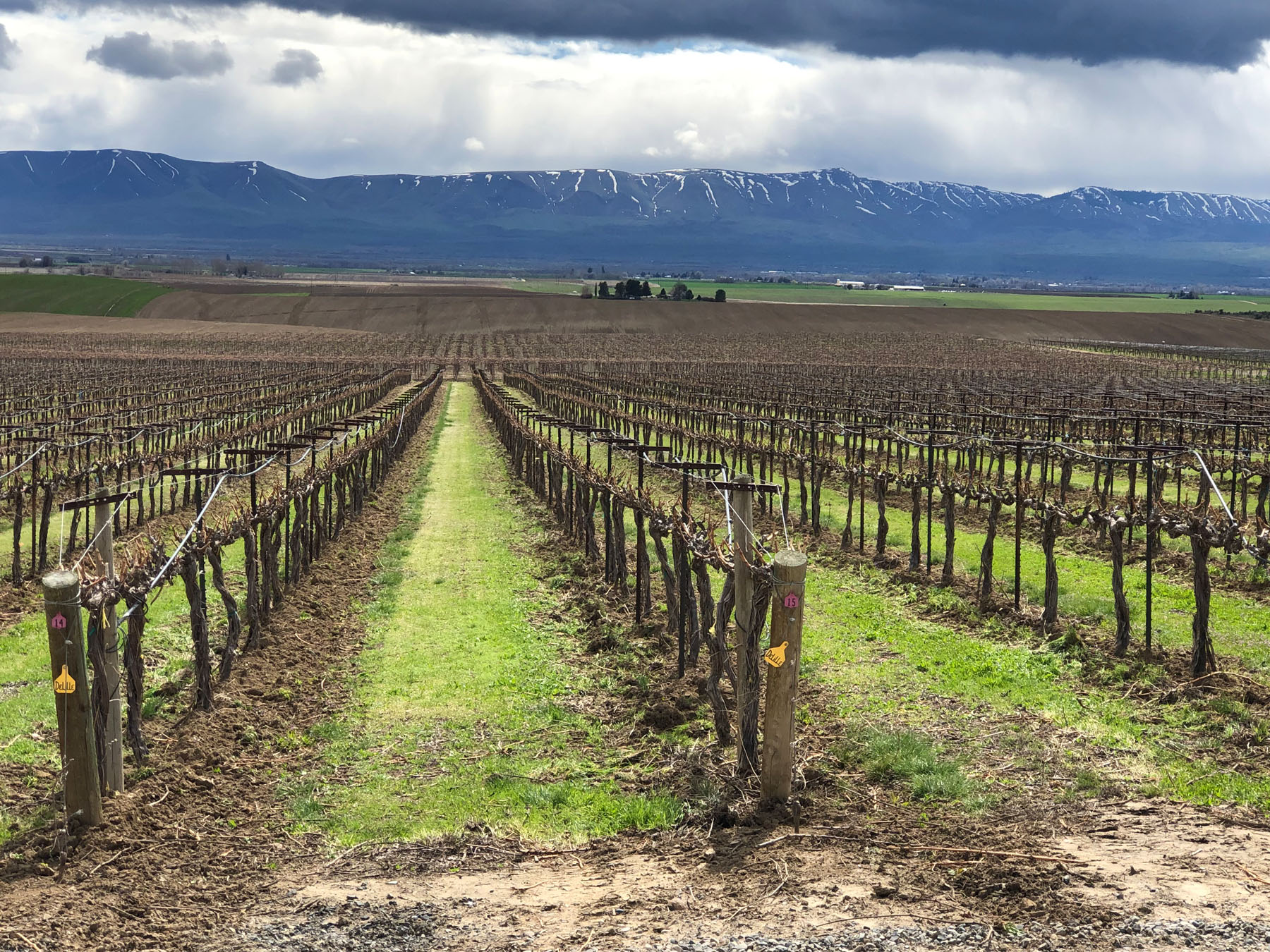
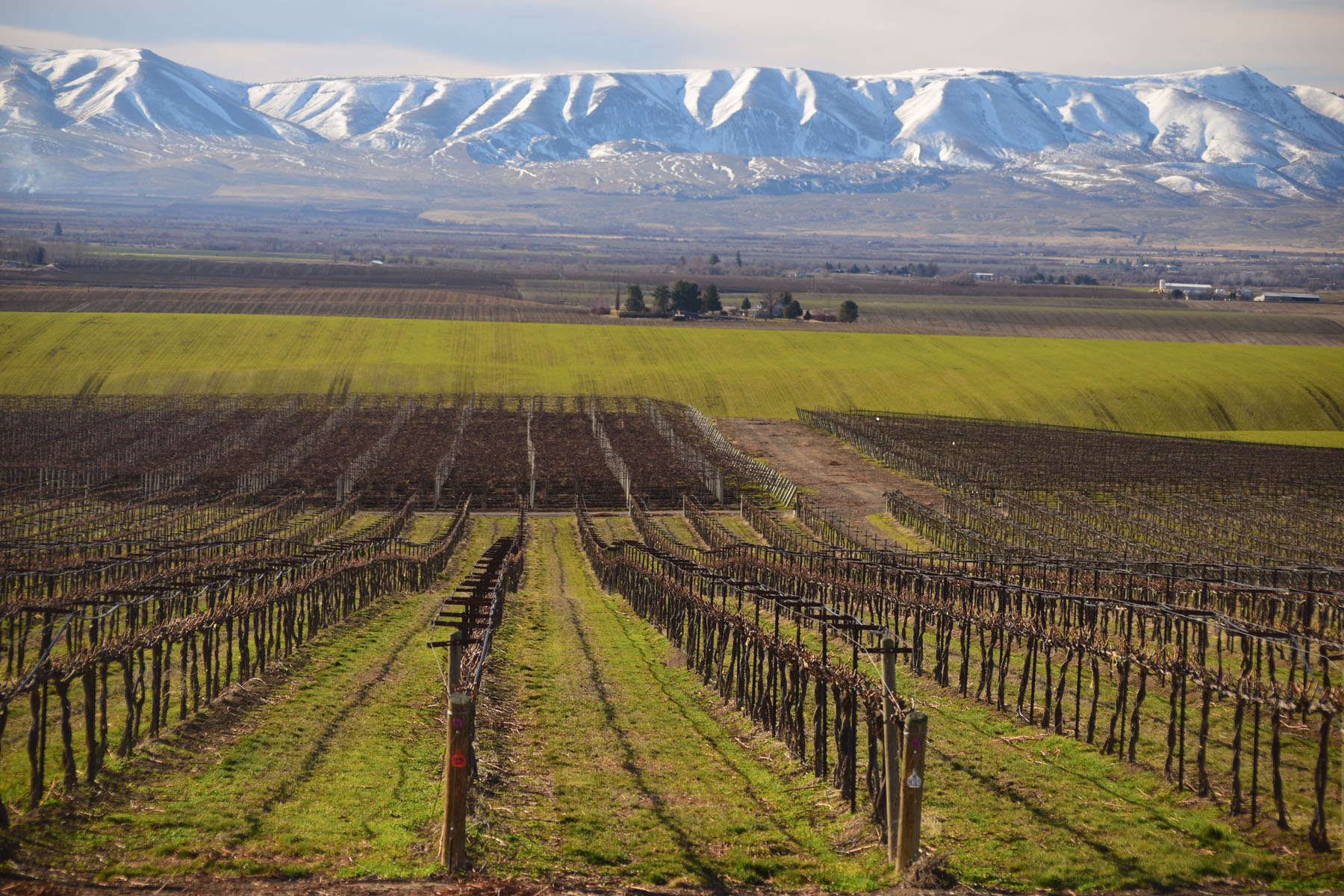
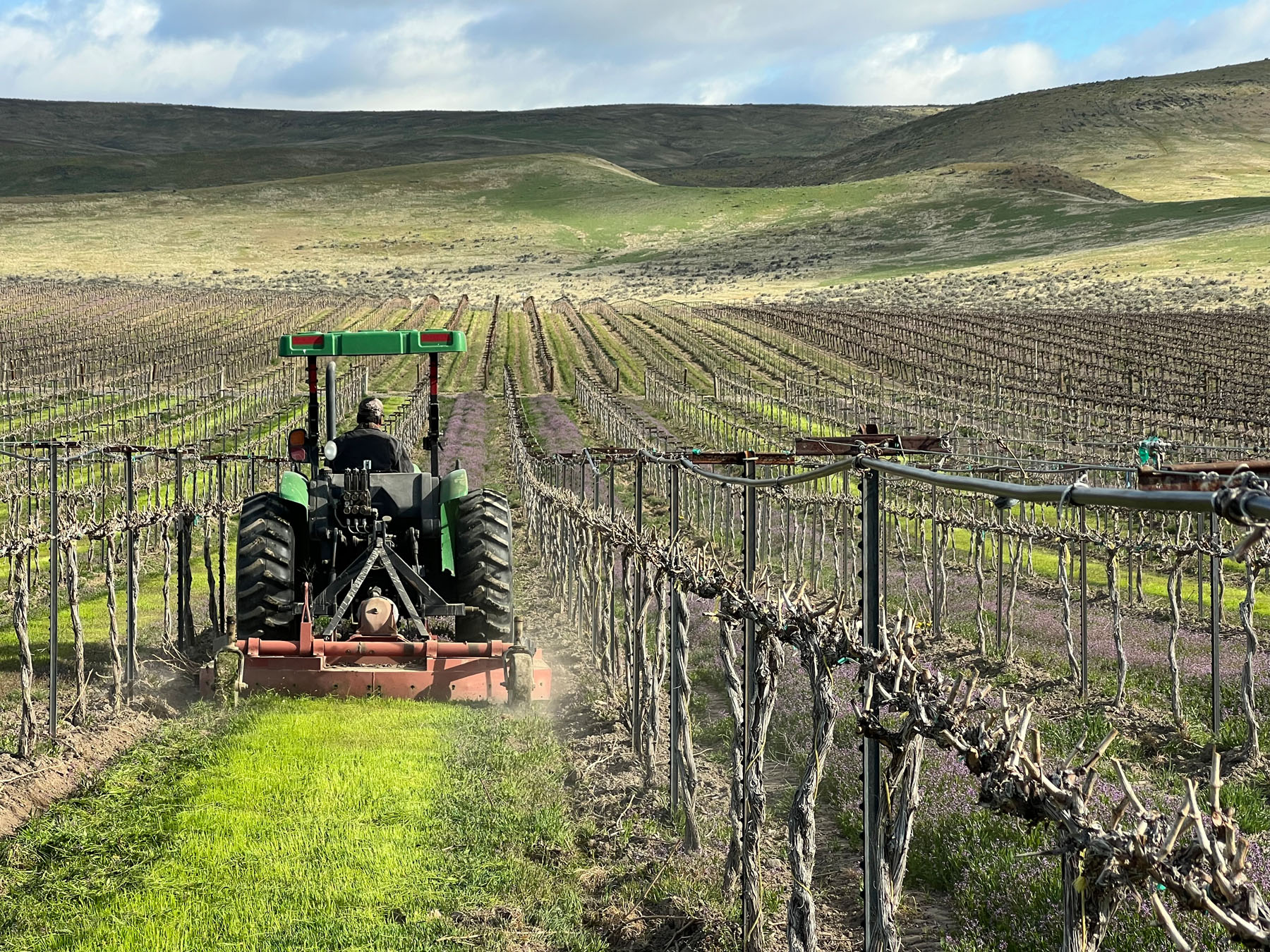
The Olney Springs block sits isolated between the Peninsula and Marcoux blocks.
In the shadow of a natural springs coming out of the Ahtanum Ridge, Olney Springs itself—once a Native American pathway—is now an overgrowth of Sumac that turns scarlet red during the Fall months. Made up of two blocks both planted in 1999 in an east–westerly orientation following the hillsides, the first is a five-acre block of Cabernet Sauvignon believed to be clone eight.
The second is a one-acre plot planted as an experimental block filled with ten different Cabernet clones, multiple Merlot, Cab Franc, and other varietals. This block is now referred to as David’s Block, in reference to David Lake taking all of the Bordeaux varietals and co-fermenting them together. Eight Bells Winery continues on this tradition. Soils are calcareous underneath with sandy loam on top.
PENINSULA
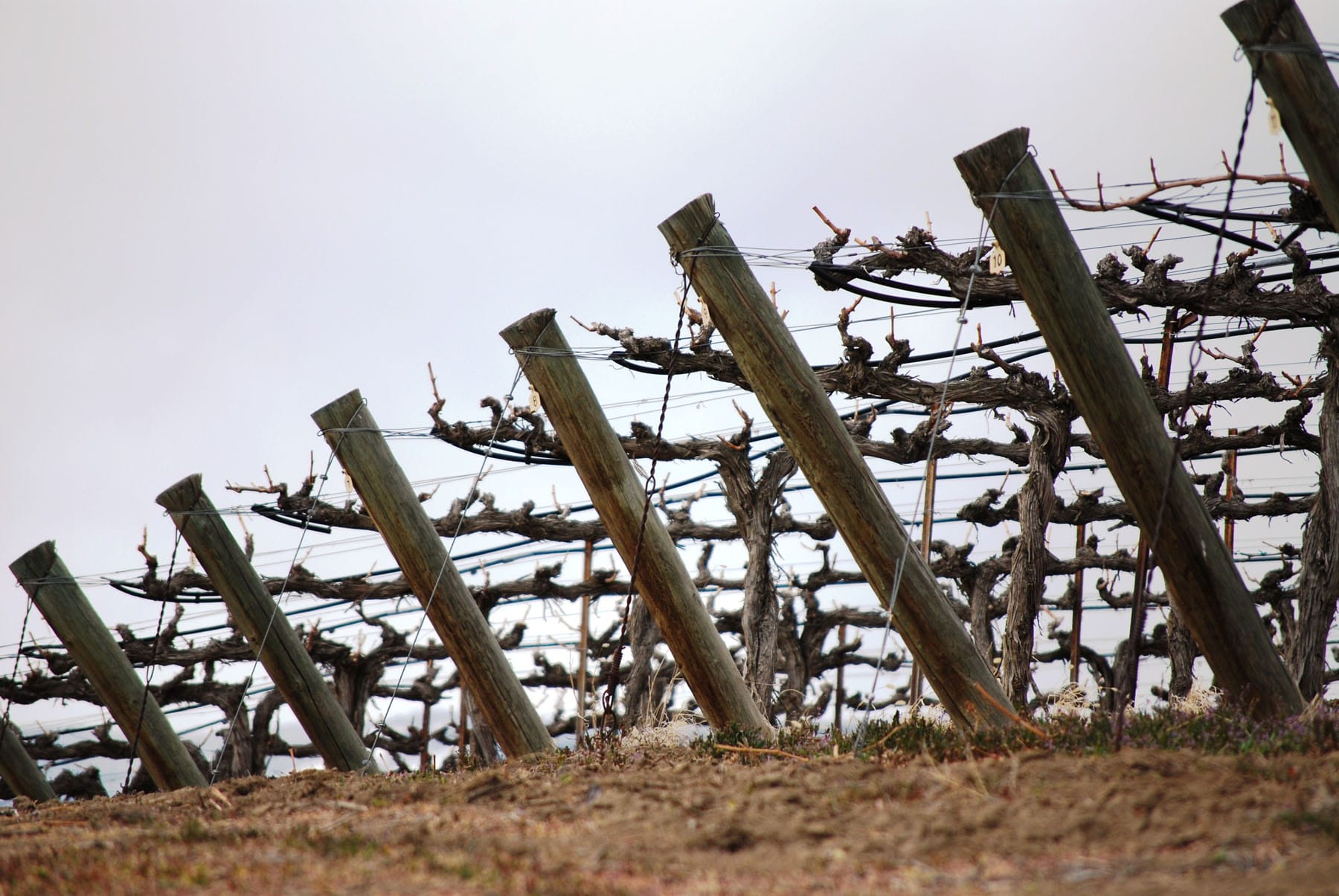
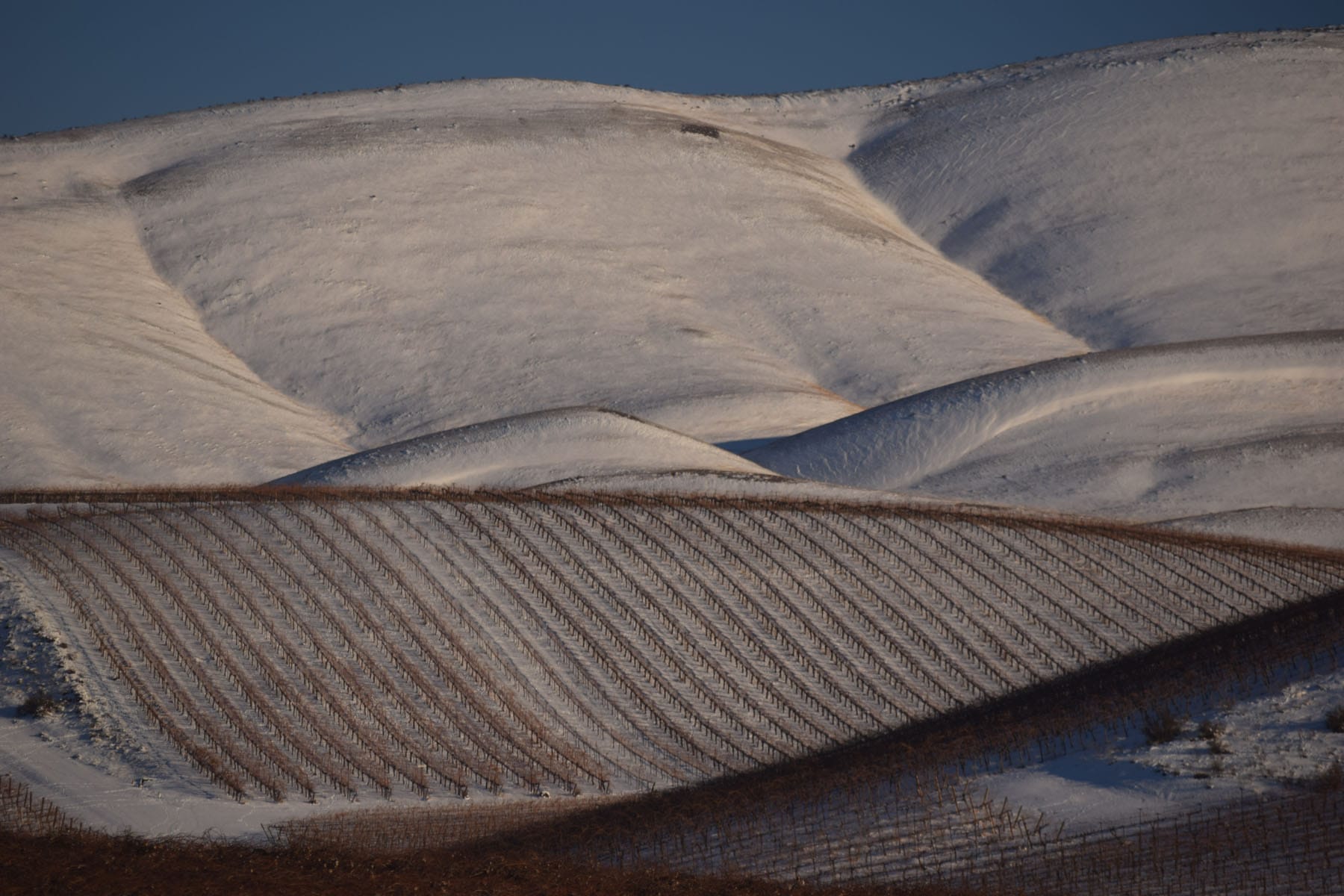
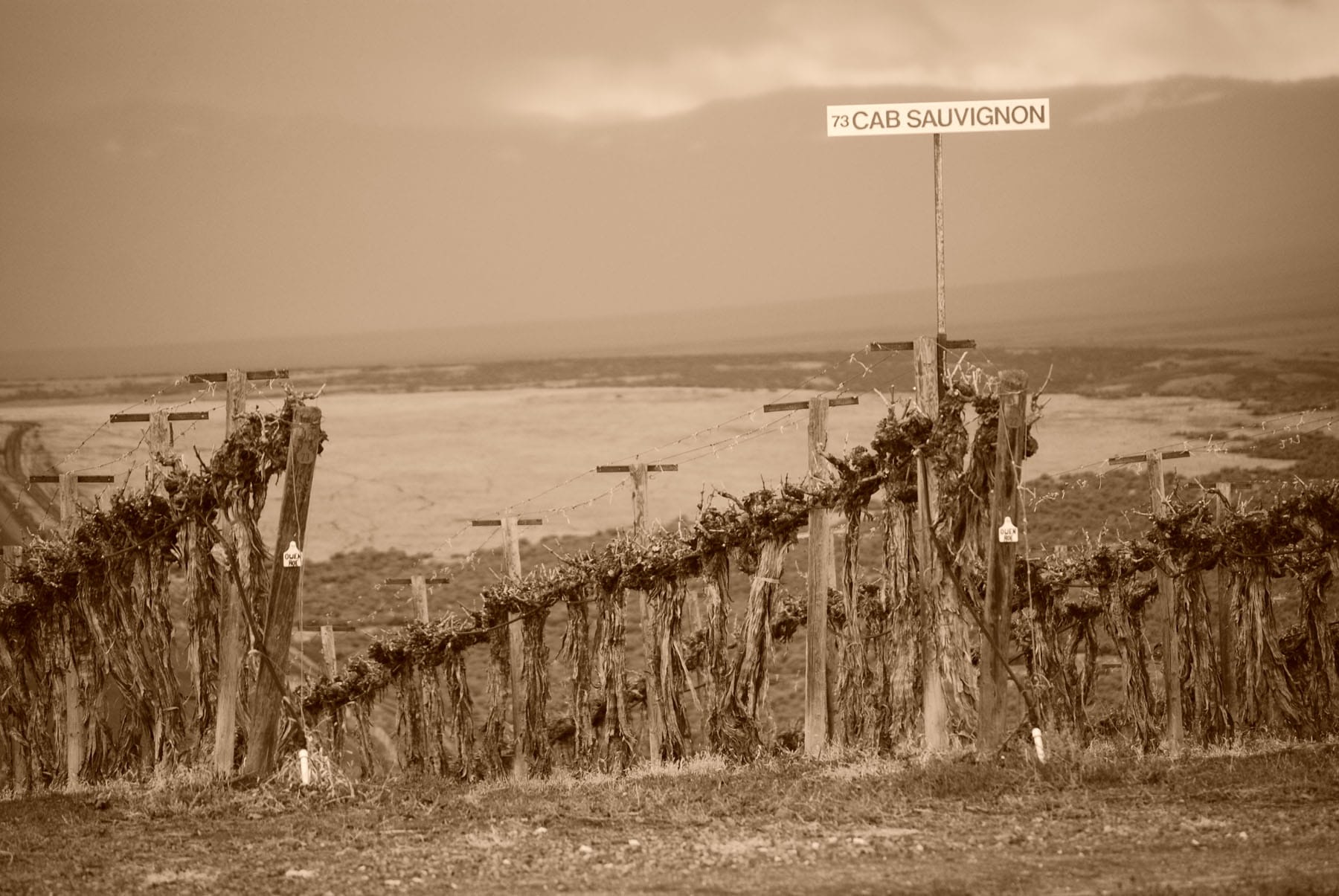
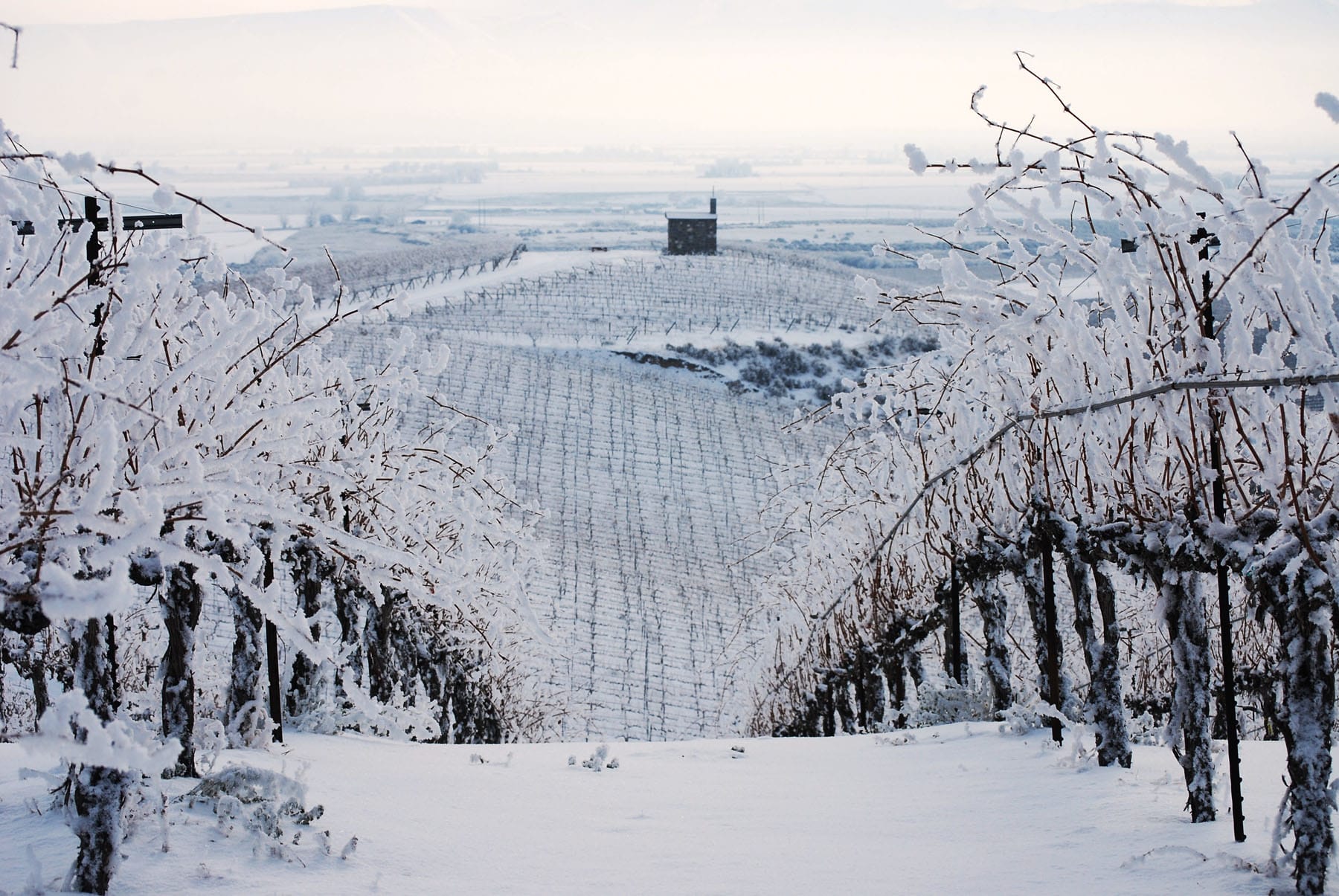
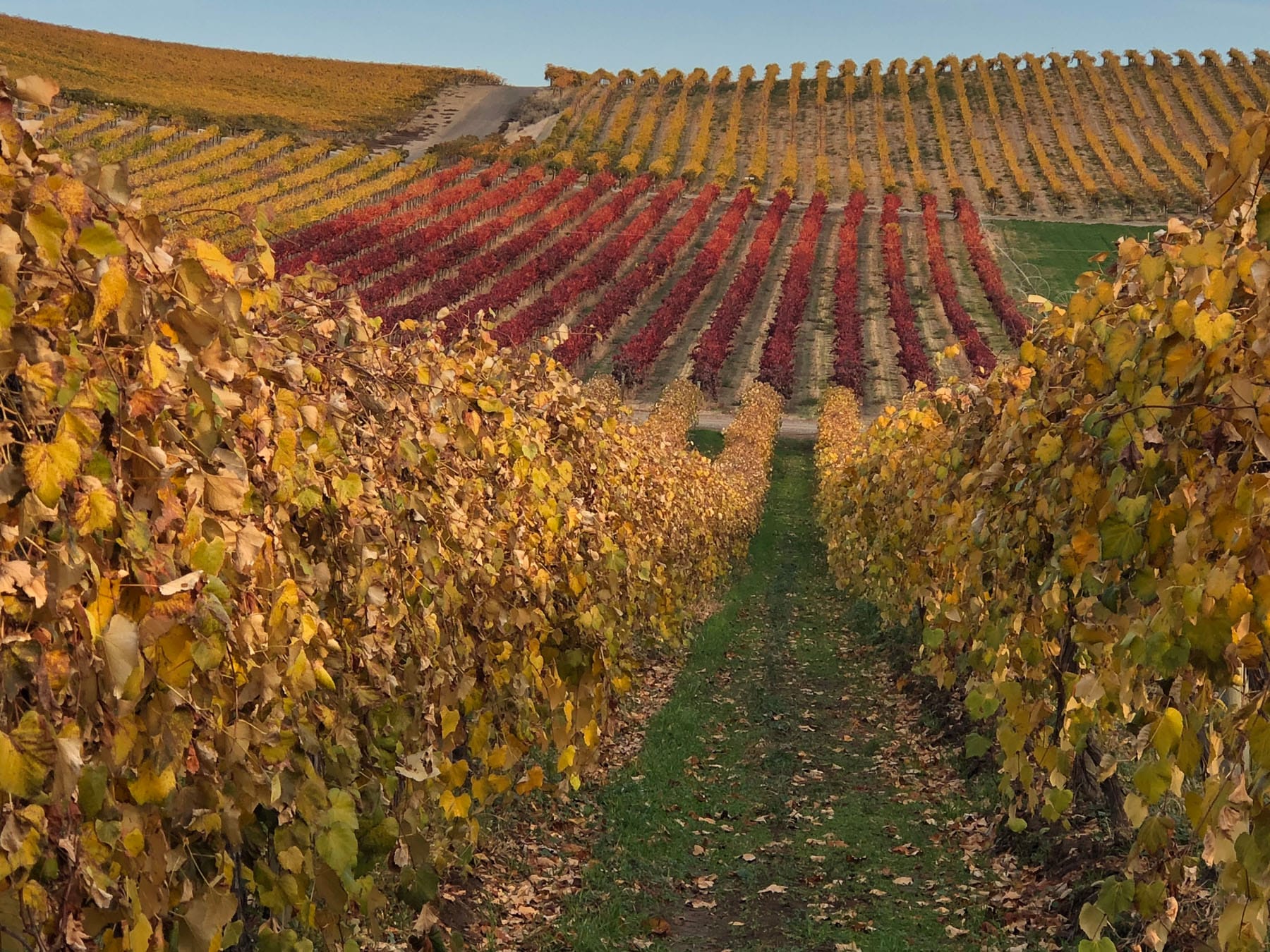
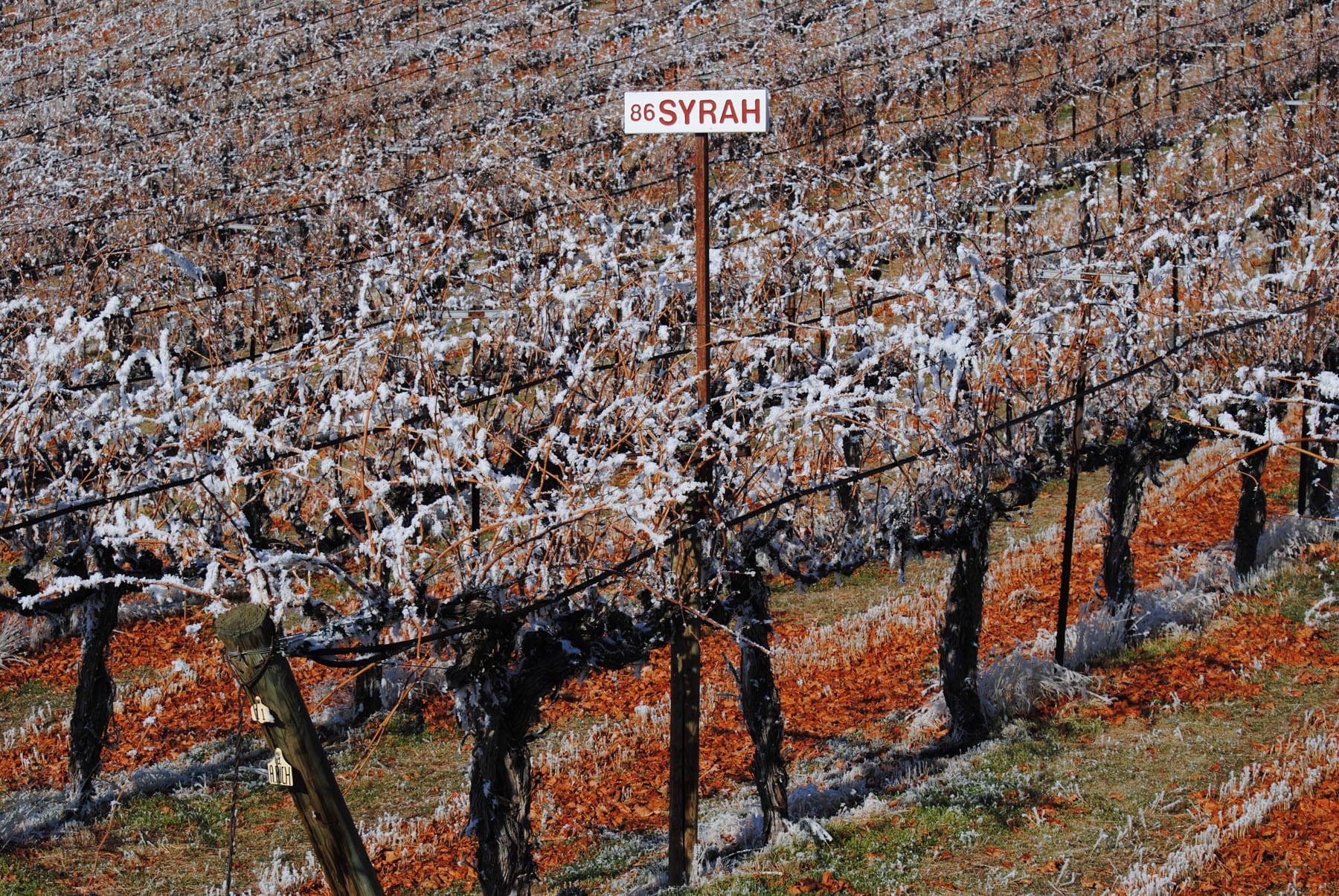
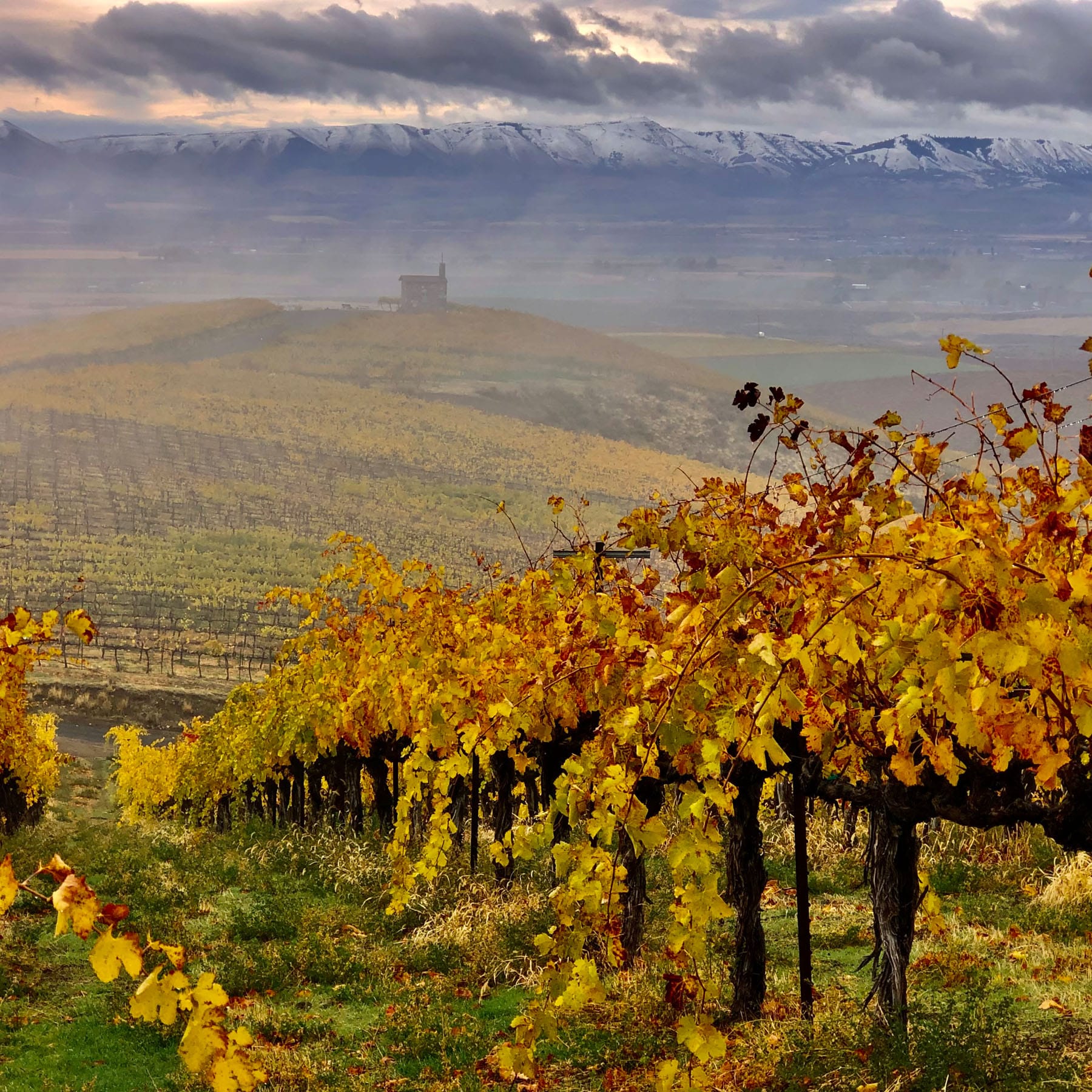
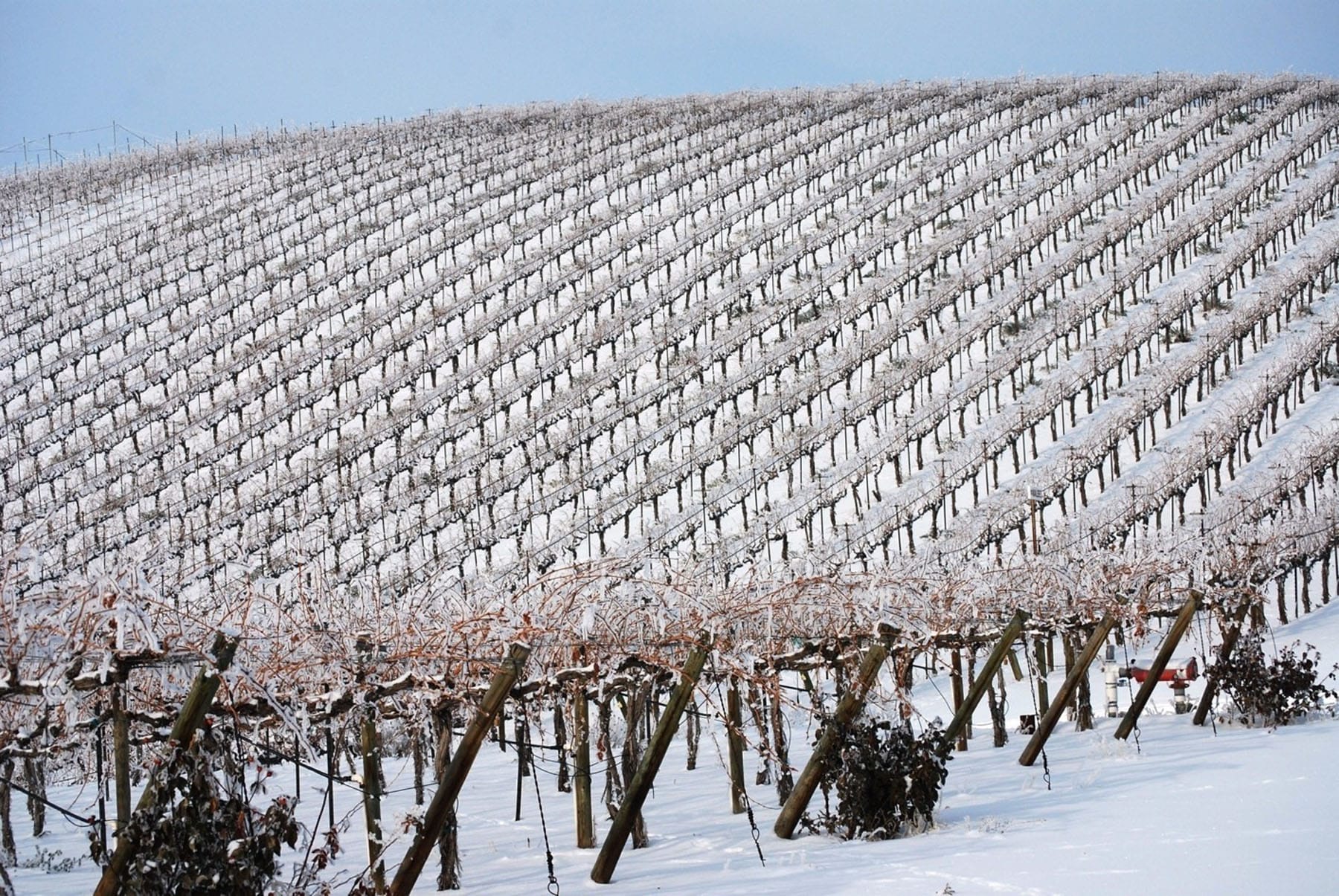
The Peninsula block, first coined by David Lake, is a unique formation jetting out of the Ahtanum Ridge.
A high elevation site once surrounded by water on all sides except the North during the great floods, our wine roots began here with the first planting of 1973 Cabernet Sauvignon. Gradually trying new varietals, Mike pioneered Cabernet Franc and Syrah on the site. Merlot and Petite Verdot also grow atop this beautiful vineyard. The 40-acre parcel is underlaid by volcanic soils with an influence of ancient river beds.
Much like the Chapel block, the west tends to be shallower with a degree of clay influence, while the east supports deeper loess soils of sandy and silty loam. Because of close proximity to the Cascades, one can find many volcanic soils, dominated by sandstone, pumice & Quartistic pebbles of the Ellensburg formation.
STEPHENSON BLOCK
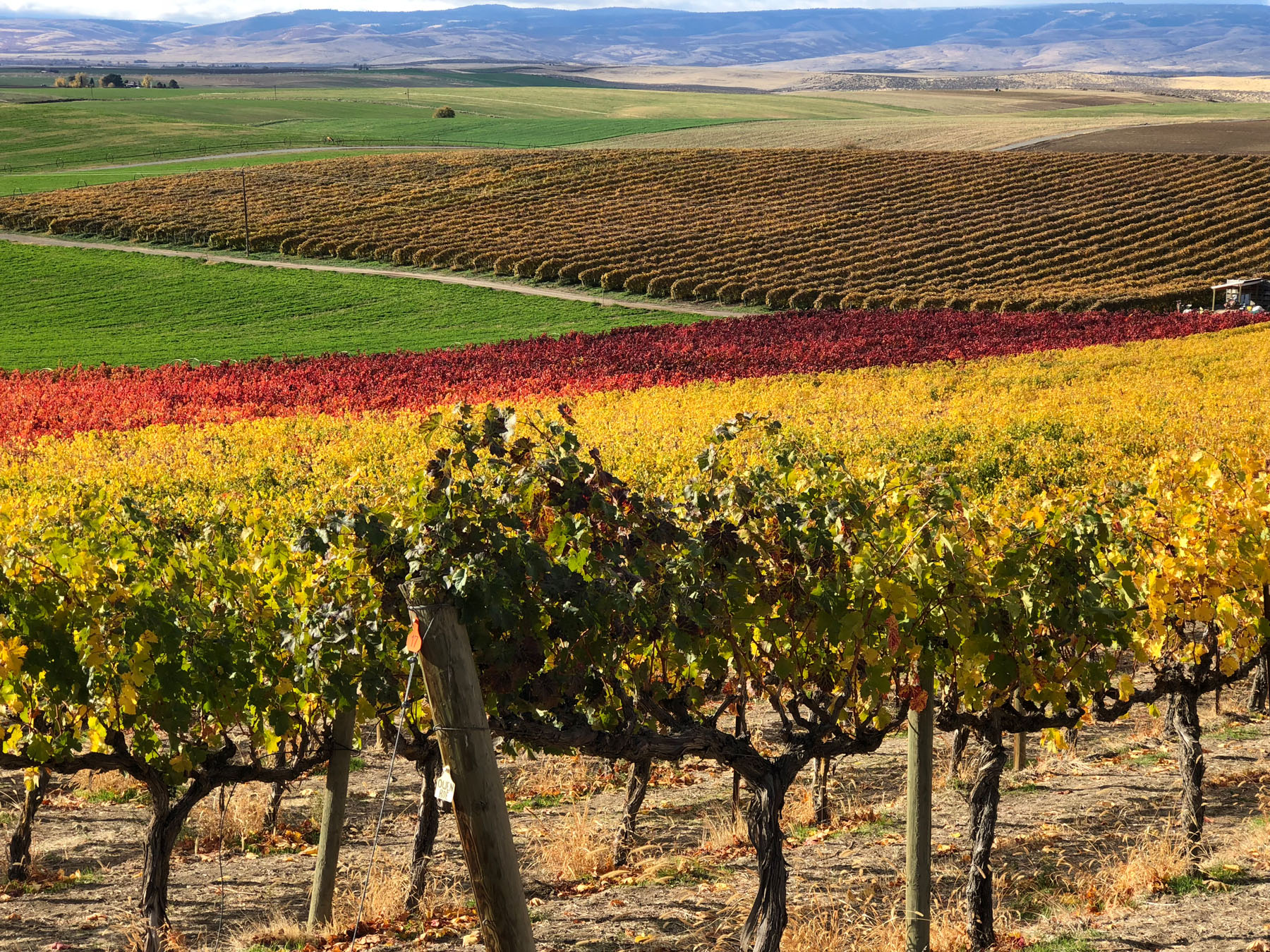
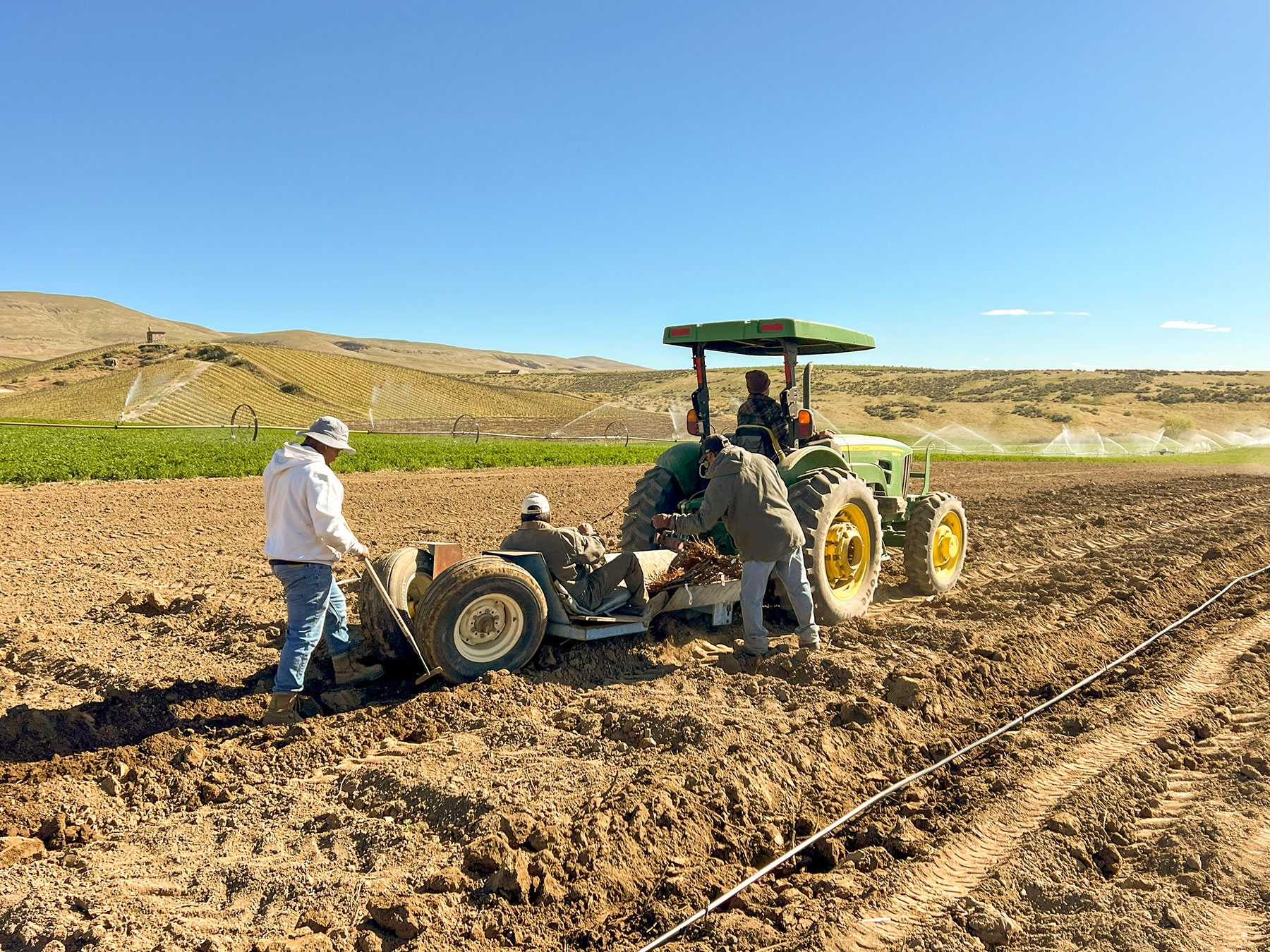
The Stephenson block is named after the Stephenson family that first farmed this parcel of ground in the 1940’s.
It is located ½ mile south of the Chapel block. Unlike the other blocks, this block’s soil is the result of the Lake Missoula floods. Its elevation is a little over 1000’ and slopes downward to the east, giving the rows an E-W orientation.
The soils are richer, resulting in more fruit forward wines. The varieties grown on this site are Cab Franc, Cab Sauvignon, Sauvignon Blanc & Semillon.